2026 Top Trends in Solvent Ink for Global Buyers?
The Solvent Ink industry is evolving rapidly, driven by advancements in technology and market demands. According to a recent report by Smithers Pira, the global solvent ink market is set to grow at a CAGR of 5.1% from 2021 to 2026. This growth reflects the increasing applications in packaging, textiles, and labels. Industry expert Dr. Robert Hayes states, "The future of solvent ink lies in its sustainability and adaptability." His insight highlights a key trend: buyers are increasingly seeking inks that minimize environmental impact while maximizing print quality.
Market data shows a shift towards eco-friendly formulations. Brands now prefer water-based solutions that reduce VOC emissions. Innovations in biodegradable components are also gaining traction. However, these changes come with challenges, such as the higher costs of raw materials. Many manufacturers must balance sustainability with price competitiveness.
The dynamics of solvent ink highlight both opportunities and hurdles. Buyers must navigate a complex landscape of regulations and performance standards. As the industry adapts, understanding these trends is crucial for making informed purchasing decisions.
Emerging Technologies in Solvent Ink Production for 2026
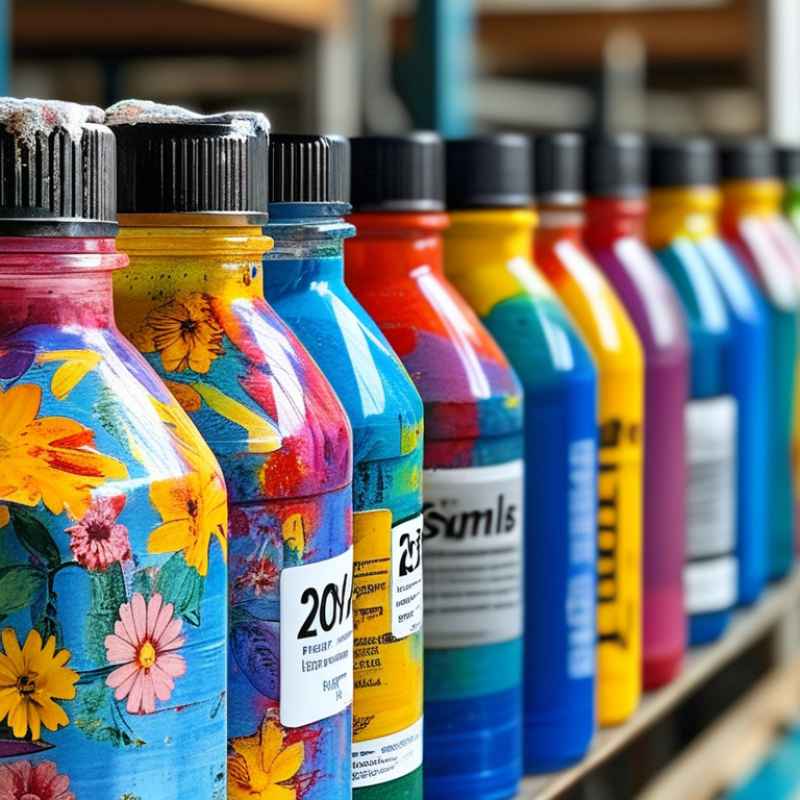
Emerging technologies in solvent ink production for 2026 are set to transform the industry. Recent reports indicate a significant shift towards eco-friendly formulations. For example, data shows that demand for low-VOC (volatile organic compounds) inks is expected to rise by 25% within the next few years. These inks release fewer pollutants and generally enhance air quality.
Advancements in digital printing technology are also noteworthy. The integration of nano-particle technology in solvent ink formulations has shown promising results. Studies have indicated that inks with nano-particles can improve color vibrancy and durability. This could lead to longer-lasting prints and decreased material waste. However, challenges remain in consistency and scalability.
Moreover, the growth of additive manufacturing is influencing solvent ink development. As the 3D printing market expands, specialized solvent inks will likely emerge to meet diverse application needs. However, initial costs for developing these inks can be high. Companies must carefully weigh investments against potential market returns. The road ahead is filled with innovation but also challenges requiring thoughtful strategies.
Sustainability Trends in Solvent Ink Materials and Formulations
The demand for sustainable practices shapes the solvent ink industry. Eco-friendly formulations are gaining traction among buyers. Many manufacturers are focusing on reducing their carbon footprint. This trend enhances the appeal of solvent inks while ensuring environmental responsibility. Innovations are emerging in bio-based materials. These materials provide a greener alternative to traditional solvents.
Water-based inks are appearing in various applications. They reduce volatile organic compounds (VOCs), making them safer for users and the environment. However, challenges remain in achieving the same performance levels as solvent inks. The balance between performance and sustainability is a critical area for development. The quest for high-quality, eco-friendly options continues.
Moreover, regulatory pressures are influencing formulation choices. Stricter legislation is pushing companies toward greener solutions. Yet, this transition isn't seamless. Some manufacturers struggle to adapt to new requirements without sacrificing quality. Attention to sustainable practices is essential, but it requires continuous reflection and improvement in processes.
Market Demand and Consumer Preferences Shaping Solvent Ink Innovations
The solvent ink market is evolving to meet changing consumer demands. Recent reports indicate a significant shift towards eco-friendly products. Buyers increasingly prioritize sustainability, leading to innovations in solvent ink formulations. A study from a leading market research firm shows that 64% of consumers prefer inks with lower environmental impacts. This shift is fostering advancements in biodegradable and non-toxic ink solutions.
Additionally, the trend toward customization is reshaping the landscape. Brands now demand tailor-made formulations to meet specific production needs. According to industry data, the demand for customized inks has risen by 27% over the last three years. This trend highlights the necessity for manufacturers to be agile and responsive. Many companies are investing in research to create highly specialized inks. Yet, challenges remain in balancing performance and environmental concerns.
Moreover, the rise of digital printing technology is reshaping solvent ink usage. Digital printing requires versatility in the types of inks used. Reports indicate a decrease in traditional printing methods. A growing number of printers adopt solvent inks specifically formulated for digital applications. However, there is still a learning curve for many in integrating new technologies. Continuous innovation is essential to address these gaps in knowledge and application.
Regulatory Changes Impacting the Solvent Ink Industry in 2026
As the solvent ink industry is poised for transformation in 2026, regulatory changes will play a critical role. Governmental bodies worldwide are tightening rules surrounding volatile organic compounds (VOCs) due to environmental concerns. A recent report from the Global Ink Manufacturers Association shows that nearly 30% of ink producers have faced challenges in compliance in the past year. This shift demands adaptation from manufacturers.
As legislation evolves, producers must invest in technology and processes to reduce VOC emissions. Some estimates suggest that compliance costs could rise by 15%-20% for many companies. The pressure to innovate also poses a challenge. Many smaller firms lack the resources to meet these regulations effectively. This raises questions about industry sustainability and market dynamics.
The trend towards eco-friendly inks is undeniable. Players in the solvent ink sector must embrace alternative formulations and sustainable practices. The market may witness a rise in water-based inks and bio-based solvents. However, the transition is complex. Achieving balance between performance and compliance will be a persistent challenge. Buyers must remain vigilant to ensure quality while navigating this changing landscape.
2026 Trends in Solvent Ink Industry
In 2026, the solvent ink industry is expected to experience significant shifts due to regulatory changes and evolving market demands. The following chart illustrates the projected shifts in solvent ink usage across various applications, showcasing a rise in eco-friendly alternatives and a decline in traditional solvent inks.
Key Players and Competitive Landscape in the Global Solvent Ink Market
The global solvent ink market is witnessing dynamic changes. Various key players dominate this space, shaping competitive strategies and innovations. These companies are focusing on environmental sustainability, which has become a driving force in the industry. Their research efforts aim to develop formulations with lower VOC emissions. However, balancing performance and eco-friendliness remains a challenge.
In terms of competition, firms are investing heavily in R&D to enhance ink properties. High durability and color vibrancy are essential attributes that attract buyers. Yet, some companies still struggle with consistency in quality. Supply chain disruptions also pose hurdles, affecting production schedules and availability. Adapting to market fluctuations is crucial, yet not many have effectively addressed this.
The landscape is evolving with new entrants challenging established players. Innovations in ink technologies are on the rise, but not every attempt leads to success. Some ventures falter in meeting industry standards or consumer demands. This highlights the importance of continuous feedback and adaptation. For buyers, staying informed about market trends can significantly influence their purchasing decisions.
2026 Top Trends in Solvent Ink for Global Buyers
| Trend | Description | Impact on Market | Key Drivers |
| Eco-Friendly Formulations | Increased demand for environmentally responsible printing solutions. | Positive growth as regulations tighten. | Sustainability initiatives and consumer awareness. |
| Digital Printing Technologies | Adoption of solvent inks in digital printing processes. | Increased efficiency and customization options. | Technological advancements and user demand. |
| Versatile Applications | Growing use of solvent inks in various substrates. | Broader market adoption across industries. | Innovation in applications and substrate compatibility. |
| Regulatory Compliance | Increased regulations on VOC emissions. | Shift towards low-VOC solvent inks. | Government regulations and industry standards. |
| Cost Efficiency | Focus on reducing costs while maintaining quality. | Increased competition among manufacturers. | Rising raw material costs and consumer expectations. |