2026 Top Trends in Switching Power Supply Technology?
In recent years, the field of Switching Power Supply technology has experienced significant evolution. As we look toward 2026, several trends will shape its future. Understanding these trends is critical for engineers and manufacturers alike.
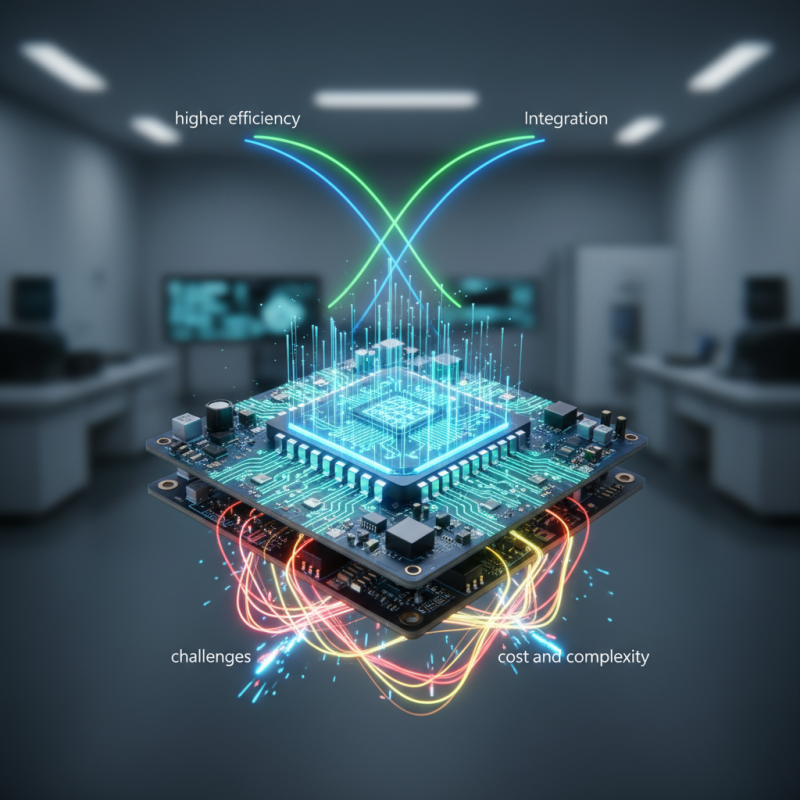
One major trend is the push for higher efficiency. Engineers aim to reduce energy losses in Switching Power Supplies. This allows for smaller, lighter units that are more environmentally friendly. Another important area is integration. New designs combine multiple functions into a single chip. This approach can save space and simplify manufacturing.
However, challenges remain. Designers must balance efficiency with cost and complexity. Overcoming these obstacles will require innovation and creativity. As the market demands more, companies will have to adapt quickly. The future of Switching Power Supply technology is promising, yet filled with hurdles that need thoughtful consideration.
Top Innovations in Power Supply Circuit Design for 2026
Power supply circuit design continues to evolve, driven by innovation and efficiency. As we approach 2026, several trends are emerging. One critical area is the integration of advanced semiconductor materials like silicon carbide (SiC) and gallium nitride (GaN). These materials allow for higher efficiency and power density in switching power supplies. Reports project a growth in market share for SiC and GaN devices to exceed 30% by 2026.
Battery-powered applications are also on the rise. Designs are leaning towards low quiescent current and increased thermal management. This is essential for smaller, portable devices that require reliability. Implementing adaptive control methods can enhance performance and efficiency. Engineers are focusing on loop compensation techniques designed specifically for these new power supply topologies. This adaptation is crucial for maintaining stability across dynamic loads.
Tips: Focus on material selection. Using SiC and GaN can improve power density. Experiment with compensation strategies for optimized circuit behavior. Regularly simulate your designs to identify potential weaknesses. Embrace the issues and adjust your design process accordingly. Each failure is a learning opportunity.
Advancements in Energy Efficiency Metrics in Power Supplies
The advancements in energy efficiency metrics are transforming power supply technology. Recent trends emphasize the need for better performance without sacrificing power density. Manufacturers are focusing on refining their designs to meet higher efficiency standards.
Data reveals that the efficiency of many power supplies has improved significantly. More power supplies now achieve over 90% efficiency under standard load conditions. However, the challenge lies in maintaining these figures under diverse operating conditions. Testing setups must emphasize real-world scenarios to be applicable.
Innovative approaches are on the rise. Techniques such as adaptive control and smart monitoring are gaining traction. They allow for dynamic adjustments to optimize efficiency. Still, questions remain about the integration of these technologies. Are manufacturers equipped to adopt them? There is a pressing need for more collaboration across the industry. Without shared standards, progress may stall.
Emerging Semiconductor Technologies for Switching Power Supplies
The landscape of switching power supply technology is changing rapidly. Innovative semiconductor technologies are at the forefront of this transformation. New materials, like wide-bandgap semiconductors, promise better efficiency and thermal performance. These materials can handle higher voltages and temperatures, leading to smaller and lighter designs. Improved energy density is crucial for applications in electric vehicles and renewable energy systems.
However, challenges remain. Manufacturing these advanced semiconductors can be complex and costly. Many companies grapple with the high production costs and the need for specialized equipment. Furthermore, reliability can be a concern. As these technologies mature, ensuring long-term performance will be essential. Investigating how to reduce failure rates in harsh environments is critical. The integration of advanced cooling techniques could offer a solution, but it's an area that needs more research.
Moreover, the rapid pace of development means that many designs might not fully utilize new capabilities. Engineers need to stay updated on the latest advancements while considering cost-effectiveness. Striking a balance between innovation and practicality in power supply technology is crucial for widespread adoption. As we explore these emerging technologies, collaboration across industries will be key to overcoming these hurdles.
2026 Top Trends in Switching Power Supply Technology
| Trend | Description | Impact | Expected Adoption Rate (%) | Key Applications |
| GaN Technology | Utilization of Gallium Nitride for higher efficiency and smaller size. | Increases energy efficiency, reduces heat. | 60 | Consumer electronics, EV chargers |
| Digital Control | Implementation of digital signal processing in power supply systems. | Improves performance and adaptability. | 75 | Telecommunications, data centers |
| Integrated Circuits | Use of integrated circuits to optimize power supply performance. | Reduces footprint, improves efficiency. | 80 | Advanced manufacturing, automotive |
| AI Integration | Using AI algorithms for real-time efficiency adjustments in power supplies. | Enhances operational efficiency and predictive maintenance. | 50 | Smart grids, renewable energy systems |
| Wide Bandgap Semiconductors | Employing materials like SiC to improve performance at high voltages. | Increases efficiency and thermal performance. | 55 | Renewable energy, grid applications |
Integration of Smart Features and IoT in Power Supply Designs
The integration of smart features and IoT in power supply designs is transforming the industry. Smart power supplies can communicate with other devices. This connectivity is vital for modern applications. A report by MarketsandMarkets predicts that the global smart power supply market will grow from $3.2 billion in 2021 to $7.3 billion by 2026. This growth reflects a strong demand for intelligent energy management.
Power supplies with IoT capabilities can enhance efficiency. They analyze performance metrics and provide real-time data. This data can help optimize energy usage, reducing costs. Some designs include self-diagnostic features. These can identify issues before they affect system performance.
Tip: Consider investing in power supplies that offer advanced connectivity. Look for units with built-in monitoring tools. This can aid in better decision-making. Balancing cost savings with performance is key. Not all smart features are necessary for every application. The focus should be on functionality that meets your specific needs.
Trends in Miniaturization and Form Factor of Power Supplies
Miniaturization in switching power supplies is driving innovation. As devices shrink, so must their power sources. Smaller power supplies are crucial for consumer electronics, medical devices, and industrial applications. These changes increase efficiency and save space.
Reducing the size of power supplies raises challenges. For instance, heat dissipation becomes tricky. Engineers need to design more efficient cooling systems. This requires creativity and advanced materials. Each design must balance size, efficiency, and thermal management.
Tips: Consider thermal solutions early in the design. Focus on materials that conduct heat well. Explore new topologies that maintain efficiency in smaller packages. Remember, every decision impacts performance. Embrace iterative testing to refine designs. The path to miniaturization is not straightforward but worth exploring.