





What Is Automotive Film and Which Type Is Right for You?
Automotive Film is no longer limited to dark window tint or glossy styling. It now includes solar-control films, paint protection film, vinyl wraps, and specialty safety layers. Each product solves a different problem. Tint manages sunlight. Paint protection film guards vulnerable paint. Wraps change appearance without permanent repainting.
Market evidence shows why this category deserves careful attention. Fortune Business Insights estimated the global automotive films market at USD 5.24 billion in 2023. Its Automotive Films Market report projects continued growth through 2032, driven by vehicle personalization and surface protection. Grand View Research also identifies rising demand for protective and decorative automotive films. However, market reports classify products differently. Their figures should guide decisions, not replace technical evaluation.
Performance depends on more than film price. The International Window Film Association emphasizes visible light transmission, solar energy rejection, ultraviolet protection, and installation quality. A quality film should fit the vehicle’s glass, climate, and daily use. A high-rejection tint may reduce cabin heat, but it can affect visibility at night. Paint protection film may resist stone chips, yet poor installation can leave lifted edges around mirrors and door handles. Vinyl wrap can refresh a faded panel, but neglected paint underneath remains a concern.
The right choice starts with the vehicle’s real demands. Highway driving needs impact protection. Urban parking may favor scratch resistance. Hot climates need heat control. Appearance still matters, but it should not lead every decision. Product labels can sound impressive. Actual specifications matter more. This guide compares the main Automotive Film types, their strengths, limitations, maintenance needs, and suitable applications. Some recommendations remain judgment calls. That is worth admitting.
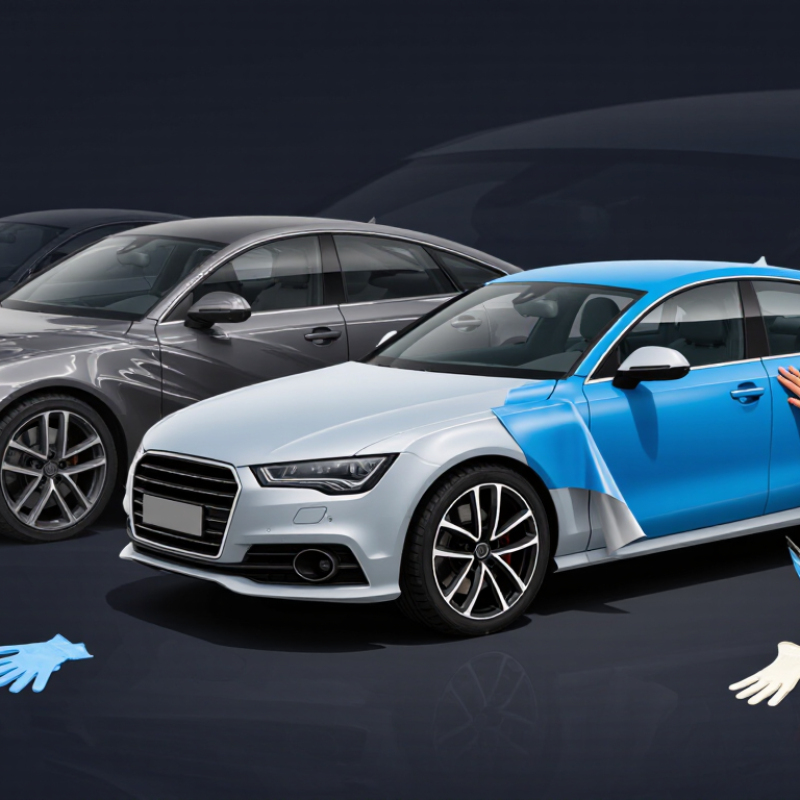
What Automotive Film Is and How It Works
Automotive film is a thin, engineered layer applied to glass or painted vehicle surfaces. It may contain polyester, polyurethane, vinyl, adhesive, pigments, or ceramic particles. Each material performs differently. Window film is bonded to the inside of vehicle glass. It filters sunlight, reduces glare, and can limit ultraviolet exposure. Some films also slow cabin heat buildup, but no film makes a car completely cool. Vehicle design, glass size, and climate still matter.
Paint protection film usually uses a flexible thermoplastic layer over vulnerable painted areas. It helps resist stone chips, road grit, and light scratches. Certain products can soften minor marks with warmth, though this feature is not universal. Vinyl film mainly changes color or texture and offers lighter surface protection. In my installation experience, careful cleaning matters as much as the film itself. Dust under the adhesive becomes a visible bump. Edges can lift when preparation is rushed.
Choose window film for comfort and glare control. Choose paint protection film for high-impact areas. Select vinyl when appearance is the priority. Think about real driving conditions.
Darker does not always mean better. It may reduce visibility at night and could conflict with local window-film regulations. Ask an installer about visible light transmission, heat rejection, film thickness, warranty terms, and maintenance. A small test section can reveal unwanted color or reflections before full installation.
Even skilled work has limits. Film protects the surface, not every part of the vehicle.
The Main Types of Automotive Film and Their Purposes
Automotive film is not one product. Each type solves a different problem, and choosing by appearance alone can be expensive. Window film is designed for cabin comfort, ultraviolet protection, and glare control. The U.S. Department of Energy reports that suitable window films can reject up to 79% of solar heat gain. That figure comes from building applications, so automotive results may differ. Vehicle glass size, film quality, climate, and installation all matter.
Paint protection film uses a clear, flexible layer against stone chips, road grit, and light scratches on bumpers, hoods, and mirrors. Vinyl color film changes the vehicle’s appearance while helping shield the original finish from minor exposure. It is not a substitute for impact protection. Ceramic film is often marketed for infrared rejection, but infrared performance varies between products and testing methods. The International Window Film Association advises comparing visible light transmission, ultraviolet rejection, solar energy rejection, and warranty terms. Those numbers are more useful than a dark sample.
A practical choice starts with the vehicle’s daily environment. A highway commuter may value protective film on the front bumper. A parked car in intense sunlight may need heat-rejecting window film. A glossy color change needs careful surface preparation. Small dust particles can remain visible. Installation quality matters more than many buyers expect. I have seen attractive film fail because edges were rushed, glass was poorly cleaned, or maintenance instructions were ignored. Check local visibility requirements before installation, since legal limits differ by location.
How Automotive Film Protects and Changes a Vehicle
Automotive film is more than a cosmetic layer. It can manage sunlight, reduce surface damage, and change how a vehicle feels inside. Window film may block up to 99% of ultraviolet radiation, according to the International Window Film Association. That protection helps slow dashboard fading and upholstery deterioration. It can also reduce glare on a bright afternoon. The cabin feels calmer. Not magically cooler.
Paint protection film works differently. Its clear polyurethane layer absorbs minor stone impacts, road grit, and light scratches. Vinyl wrap changes color and texture without permanent repainting. Both options can preserve the original finish when installed and removed correctly. In my experience, preparation matters more than aggressive marketing claims. Dust under film remains visible, especially across a black hood.
Vehicle ownership is lasting longer. S&P Global Mobility reported an average U.S. vehicle age of about 12.6 years in 2024. That makes surface protection a practical maintenance choice, not merely styling. The right film depends on the vehicle’s exposure, parking conditions, and your tolerance for upkeep. Choose solar-control film for intense cabin heat. Choose protective film for highway driving and frequent stone exposure. Choose wrap film when appearance matters most. Check visible-light transmission and local safety requirements before installation. A darker film is not automatically better.
What Is Automotive Film and Which Type Is Right for You? - How Automotive Film Protects and Changes a Vehicle
| Film Type | Primary Purpose | Typical Vehicle Areas | Main Protection or Change | Visible Light Transmission / Appearance | Typical Service Life* | Maintenance Needs | Best For |
|---|---|---|---|---|---|---|---|
| Window Tint Film | Reduce sunlight, glare and interior heat while increasing privacy. | Side windows, rear window and sometimes the windshield where legally permitted. | Helps reject solar energy, filters ultraviolet radiation and can reduce interior fading. It also helps hold glass fragments together if the glass breaks, although it is not a substitute for safety glass. | Common visible light transmission levels range from very light to very dark. The legal limit varies by location and window position. | Approximately 5–10 years for quality dyed or hybrid products; some advanced films may last longer with proper installation. | Use non-abrasive cleaners and soft cloths. Avoid ammonia-based products unless the film manufacturer confirms compatibility. | Drivers seeking cabin comfort, glare reduction and UV protection. |
| Paint Protection Film (PPF) | Protect painted surfaces from everyday road damage. | Front bumper, hood, fenders, mirror caps, door edges, rocker panels and luggage-loading areas. | Forms a transparent sacrificial layer that helps resist stone chips, light scratches, road debris and insect stains. Many modern versions can self-heal minor surface marks when warmed. | Usually clear with a gloss finish; satin and matte finishes are also available. | Approximately 5–10 years, depending on film quality, climate, washing habits and exposure. | Wash regularly with automotive-safe products. Avoid harsh solvents, abrasive polishing and excessive pressure at film edges. | New vehicles, high-mileage vehicles and cars frequently driven on highways. |
| Vinyl Color-Change Wrap | Change the vehicle’s color or finish without repainting the body. | Painted exterior panels, including the hood, roof, doors, fenders and bumpers. | Changes color, texture or visual style and provides limited protection against minor surface scuffs and environmental exposure. It does not provide the same impact resistance as PPF. | Available in gloss, satin, matte, metallic, pearlescent, textured and color-shifting appearances. | Approximately 3–7 years outdoors, depending on material, installation, climate, washing and sun exposure. | Hand washing is preferred. Avoid abrasive brushes, aggressive chemicals and prolonged exposure to contaminants such as bird droppings or tree sap. | Owners who want a reversible appearance change or custom exterior styling. |
| Headlight Protection Film | Help protect headlamp lenses from road debris and surface wear. | Headlight and, where suitable, fog-light lenses. | Helps reduce chips, scratches, insect stains and UV-related surface deterioration. It cannot repair existing cracks or severe lens damage. | Generally clear; lightly tinted versions may be restricted by local lighting regulations. | Approximately 3–7 years, depending on exposure, film quality and maintenance. | Clean gently with mild automotive shampoo. Do not use abrasive compounds or aggressive polishing tools. | Vehicles driven at night, on highways or in areas with gravel and road debris. |
| Decorative Interior Film | Refresh or protect selected interior trim surfaces. | Dashboard trim, center consoles, door inserts and other smooth, non-porous surfaces. | Changes the appearance of trim and helps reduce light scuffs on properly prepared surfaces. It is not suitable for airbags, controls that require free movement or heat-producing components unless specifically approved. | Wood, carbon-style, brushed-metal, matte, gloss and other decorative finishes. | Approximately 2–5 years, depending on cabin temperature, sunlight, friction and surface preparation. | Wipe with a soft, damp microfiber cloth. Avoid strong solvents, sharp objects and excessive heat. | Owners who want a lower-cost interior styling update without replacing trim. |
| Clear UV-Blocking Film | Reduce ultraviolet exposure while maintaining a nearly unchanged appearance. | Side windows, rear windows and permitted glass areas. | Helps filter ultraviolet radiation and may reduce fading of upholstery, plastics and other interior materials. Performance depends on the complete glass-and-film system. | Usually very clear, with high visible light transmission and minimal change to the vehicle’s appearance. | Approximately 5–10 years, depending on construction, installation and environmental exposure. | Clean with a soft microfiber cloth and a film-safe glass cleaner. Allow the film to cure before cleaning after installation. | Drivers who want UV protection without a noticeably darker window. |
*Service-life figures are typical estimates rather than guarantees. Actual durability depends on film construction, installation quality, climate, vehicle storage, washing methods and local regulations. Window-film darkness and reflectivity must comply with applicable vehicle-glazing laws.
Key Factors for Choosing the Right Automotive Film
Choosing automotive film starts with a clear goal. Window film can reduce glare and help limit solar heat, while paint-protection film is designed to guard exposed paint from minor chips and scratches. Color-change wraps focus on appearance, not the same protection. These products are not interchangeable. Ask what problem matters most before comparing samples.
Check the film’s measured performance, expected lifespan, care requirements, and compatibility with your vehicle’s glass or paint. For window film, consider visible-light transmission and heat rejection together; a darker shade does not automatically mean better heat control. For exterior film, inspect sample edges and curves, where poor fit can become noticeable. Ask how the surface should be cleaned and what signs of wear to watch for. Details matter.
Think about your daily conditions, too. A car parked outdoors faces different demands from one kept in a garage. A glossy sample can look convincing under showroom lights, yet appear different in full sun. No option is perfect. I’d also compare installation quality, because even good material can disappoint when applied carelessly. Take time to inspect real samples and ask specific questions.
Installation, Care, Durability, and Legal Considerations
Automotive film includes window tint, which manages light and heat, and paint protection film, which helps shield exposed surfaces from small impacts. Installation quality matters as much as film choice. A trained installer should clean the glass or paint carefully, check for dust, and shape the material without stretching it unevenly. Small details matter. A trapped speck may seem minor, but it can remain visible every time sunlight hits the window.
After installation, follow the installer’s curing instructions before cleaning or lowering windows. Use a soft cloth and a mild cleaner approved for the film; abrasive pads can scratch the surface. Avoid sharp tools near film edges. Durability varies with material, exposure, maintenance, and installation, so no single lifespan fits every vehicle. That part is easy to underestimate. Ask about written care guidance and warranty terms, and remember that peeling or hazing may need professional assessment rather than a quick repair.
Legal requirements for window tint differ by location and may set limits on visible light transmission, reflectivity, or which windows can be tinted. Check current local rules before choosing a shade, and confirm any inspection requirements with the relevant authority. A darker film is not automatically a better one. Also consider night visibility, especially on poorly lit roads, before making a final choice.