What Are the Benefits of Rubber Pump Impellers?
The use of a Rubber Pump Impeller offers numerous advantages for various pumping applications. These impellers are crafted from flexible yet durable material, making them ideal for handling diverse fluids. One significant benefit is their ability to reduce vibration and noise. This creates a more peaceful working environment, which many operators appreciate.
Moreover, Rubber Pump Impellers demonstrate excellent resistance to wear and tear. This durability helps to prolong the life of the pump. Less frequent replacements lead to lower operational costs. However, it is essential to consider the specific fluid being pumped. In some cases, certain chemicals may degrade the rubber over time. This potential downside requires careful evaluation during the selection process.
Additionally, Rubber Pump Impellers are lightweight and easy to install. This can simplify maintenance tasks and enhance overall efficiency. It’s worth noting that while these impellers are advantageous, not all applications may benefit equally. The operating conditions and fluid characteristics need thorough analysis. In conclusion, while the Rubber Pump Impeller has distinct benefits, users should remain vigilant about its limitations. Making informed decisions leads to better outcomes in pump performance.
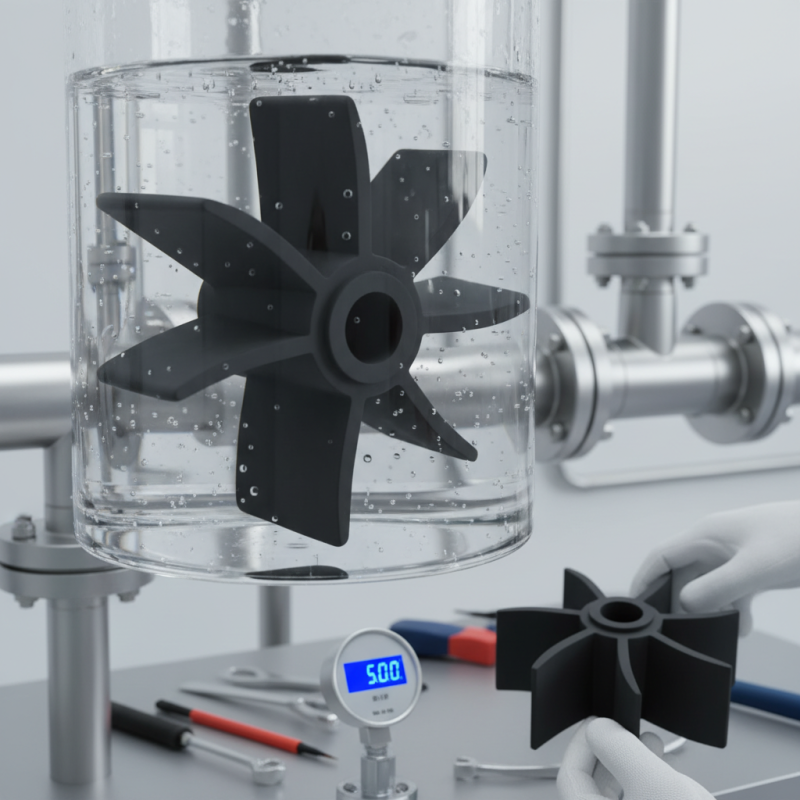
Benefits of Rubber Pump Impellers in Fluid Handling Applications
Rubber pump impellers play a vital role in fluid handling applications. They are lightweight and flexible, which makes them ideal for various projects. Their design allows for efficient flow, reducing energy consumption. This translates to lower operational costs for businesses. However, their softness can also lead to premature wear in harsh environments.
Durability is a concern. While rubber impellers are great for handling gentle fluids, they may struggle with abrasive materials. In such cases, frequent replacements are necessary. This adds to the maintenance workload. Consideration of the specific application is crucial.
In addition, rubber impellers are resistant to corrosion, making them suitable for many chemicals. This feature expands their usability. However, different rubber compounds can react unpredictably with certain substances. Regular monitoring is essential to avoid unexpected failures. This ensures continuous operation and efficiency in fluid handling tasks.
Benefits of Rubber Pump Impellers in Fluid Handling Applications
Durability and Resilience: How Rubber Impellers Perform Under Stress
Rubber pump impellers are renowned for their durability. They excel in high-stress environments, where traditional materials may fail. Studies show that rubber impellers can withstand extreme temperatures and pressures better than metal counterparts. For instance, they often maintain performance in temperatures ranging from -30°C to over 100°C. This resilience is crucial for industries like mining and wastewater management.
While rubber is not without drawbacks, its benefits often outweigh the challenges. Resistance to abrasion and corrosion means less frequent replacements. However, they can soften over time, especially in harsh chemicals. According to industry reports, rubber impellers can still provide 80% of their original performance after three years of use in aggressive conditions. This longevity is a significant factor for many users.
In practical applications, rubber impellers are easy to install and maintain. They often require less downtime compared to other materials. Yet, some operators find it challenging to balance performance and durability. A failure in rubber impellers can lead to costly disruptions. Yet, the right choice for the job can lead to impressive efficiency and savings in the long run.
Cost-Efficiency: Long-Term Savings with Rubber Impellers
Rubber pump impellers are gaining popularity due to their cost-efficiency. They represent an affordable option that can lead to long-term savings. Unlike metal impellers, rubber ones have lower initial costs. This can help businesses manage their budgets better. Over time, the durability of rubber means fewer replacements. Thus, companies can save significant amounts on maintenance.
Tips: Regular inspections can extend the life of rubber impellers. Small issues may grow if neglected. Addressing them early can save money.
Rubber impellers also offer flexibility in various applications. This makes them suitable for different industries. However, rubber quality can vary. Not all impellers perform equally well. It’s crucial to choose a reputable supplier to ensure reliability. Proper installation practices are equally important. Even minor errors can lead to inefficiencies and increased costs.
Tips: Train staff on proper installation techniques. Misalignment can cause excessive wear on rubber impellers. Regular training sessions can help prevent this.
Reduced Noise and Vibration: Importance in Industrial Environments
In industrial environments, noise and vibration can pose significant challenges. Rubber pump impellers can greatly reduce both. Their unique construction absorbs shocks and dampens sounds effectively. This leads to a more comfortable workspace for operators. Workers can concentrate better, leading to improved productivity.
Additionally, reduced noise levels contribute to a safer environment. High noise can mask important auditory signals. It may lead to accidents or poor communication. Rubber impellers help mitigate these risks. However, they require regular maintenance. If not inspected, they can degrade over time, losing effectiveness. Operators should prioritize routine checks to ensure optimal performance.
Moreover, while rubber impellers excel at reducing noise, they may have limitations in high-temperature applications. In these cases, other materials could be more suitable. Understanding the specific requirements of your setup is key. It’s important to weigh the advantages and potential drawbacks carefully. Balancing these factors will help enhance overall operational efficiency.
Chemical Resistance: Evaluating Rubber Impellers for Harsh Conditions
Rubber pump impellers are often chosen for their impressive chemical resistance, especially in harsh environments. Studies indicate that rubber materials can withstand aggressive chemicals like acids and bases. For instance, a report from the American Society of Mechanical Engineers highlights that rubber impellers maintain performance even when exposed to corrosive substances. This durability can lead to reduced maintenance costs and longer service life.
Tips: Always consider the specific chemicals in your application. Not all rubber materials perform the same.
Choosing the right rubber material is crucial. Some rubber variants may break down faster when exposed to certain solvents. A recent analysis showed a 30% decrease in life expectancy for low-grade rubber in strong acids. This serves as a reminder to evaluate the rubber’s compatibility with your fluids.
Tips: Regularly monitor your impeller's condition. Look for signs of wear or chemical degradation.
In some cases, rubber impellers may not meet high-temperature demands. Enhanced rubber compounds exist, but they often come at a higher cost. Balancing performance and budget is essential. It invites ongoing reflection on how best to optimize your system for both efficiency and longevity.
What Are the Benefits of Rubber Pump Impellers? - Chemical Resistance: Evaluating Rubber Impellers for Harsh Conditions
| Feature | Description | Benefits |
| Chemical Resistance | Rubber impellers can withstand various harsh chemicals without degrading. | Longer lifespan in corrosive environments. |
| Flexibility | Rubber impellers have inherent flexibility that allows them to absorb shocks. | Reduced risk of damage from vibrational forces. |
| Abrasion Resistance | Special formulations can enhance resistance to abrasive particles. | Improved operational efficiency and reduced maintenance costs. |
| Cost-Effectiveness | Typically lower material costs compared to metal impellers. | Better overall value for applications with budget constraints. |
| Noise Reduction | Rubber impellers tend to produce less noise during operation. | Quieter operation leading to a better working environment. |