Best Cabin Filters for Clean Air in Your Car?
In today’s world, clean air in your vehicle matters more than ever. A Cabin Filter plays a crucial role in maintaining a healthy environment inside your car. This small component filters out dust, pollen, and harmful pollutants. Over time, though, it can become clogged or ineffective. Replacing it regularly ensures you breathe easier during your drives.
Many car owners overlook this essential maintenance task. They might not realize how much a good Cabin Filter can impact air quality. A clean filter not only protects your lungs but also enhances comfort. Imagine driving with fresh air instead of musty odors and allergens. It's a simple fix that can lead to a significant difference.
However, choosing the right Cabin Filter can be confusing. Various brands and types flood the market. Some claim high performance, while others focus on cost. Each option has its pros and cons. Reflecting on these choices can help you select the best filter for your needs. After all, clean air is vital for your health and driving experience.
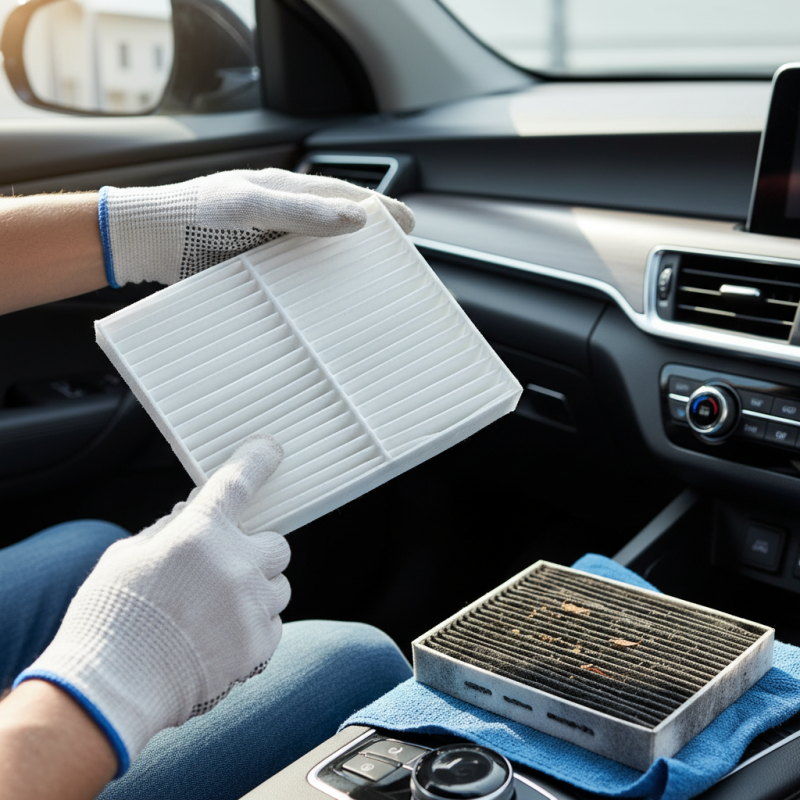
Understanding Cabin Air Filters: Importance and Functionality
Cabin air filters play a crucial role in maintaining the air quality inside your vehicle. They trap dust, pollen, and other pollutants from entering the cabin. According to a study by the Environmental Protection Agency, the air inside a car can be two to five times more polluted than outside air. This alarming statistic highlights the importance of cabin filters.
Over time, Cabin Air Filters can become clogged. A blocked filter can reduce airflow and decrease the effectiveness of your vehicle’s heating and air conditioning systems. Many car experts recommend replacing the cabin air filter every15,000 to 30,000 miles, but this can vary based on your driving habits and environment. In urban areas with heavy pollution, more frequent changes may be necessary.
Interestingly, many drivers overlook their cabin filters during routine maintenance. Neglecting to check this vital component can lead to unpleasant odors and poor air quality. Recent surveys indicate that about 20% of drivers have never changed their cabin air filter. This reflects a gap in awareness regarding vehicle maintenance. Regular inspections can ensure a healthier driving experience.
Types of Cabin Filters: Particulate, Activated Carbon, and More
When it comes to cabin filters, understanding the types available can greatly impact air quality in your car. Particulate filters are designed to trap dust, pollen, and other small particles. They act as barriers, preventing these allergens from entering the cabin. However, they may not be as effective against odors.
Activated carbon filters take it a step further. They absorb odors and harmful gases, enhancing the freshness inside your vehicle. It’s noteworthy that not all filters combine both functions. Some drivers might overlook this, leading to less optimal air quality. Choosing the right filter can significantly improve comfort levels during drives.
Moreover, there are also multi-layered filters that combine both types. These can be more effective, though they might come at a higher cost. It's also essential to consider how often to replace filters. Neglecting this can lead to a buildup of allergens and odors, undermining your health. Regular maintenance is key to enjoying clean air as you drive.
Best Cabin Filters for Clean Air in Your Car
| Filter Type | Description | Pros | Cons | Lifespan |
| Particulate Filter | Removes dust, pollen, and fine particles from the air. | Effective at trapping particles, aids in allergy relief. | Does not remove odors or gases. | 1 year or 12,000 miles |
| Activated Carbon Filter | Contains activated carbon that absorbs odors and certain gases. | Excellent for odor removal and gas absorption. | Less effective at capturing large particulates. | 6 months to 1 year |
| Electrostatic Filter | Uses electrostatic charge to attract particles. | Self-cleaning properties, long-lasting. | Higher upfront cost, may require special installation. | 3-5 years |
| HEPA Filter | Captures 99.97% of particles that are 0.3 microns or larger. | High filtration efficiency, great for allergy sufferers. | Can restrict airflow if not replaced regularly. | 1-2 years |
Top Brands for Cabin Filters: A Review of Leading Options
When it comes to cabin filters, clean air is crucial for comfort. Pollutants can enter your vehicle, affecting health and well-being. A recent industry report noted that dirty cabin filters can reduce airflow by up to 20%. This is a significant drop, leading to a less pleasant driving experience.
Many options exist in the market, but it's essential to choose wisely. High-quality filters can capture dust, pollen, and even mold spores effectively. However, not all filters are created equal. Some may not fit as snugly or filter well, which leads to issues. Choosing a reputable filter can enhance air quality by as much as 30%.
Tips: Replace your cabin filter regularly, ideally every 12,000 to 15,000 miles. Pay attention to manufacturer recommendations for your vehicle type. Check for unusual odors or reduced airflow, signs of a clogged filter. Also, finding the right filter can be a challenge; make sure to read reviews and specifications thoroughly. Remember, poor air quality inside your car is more common than you think.
Maintenance Tips for Cabin Filters: When and How to Replace Them
Maintaining a clean cabin filter is essential for a healthy driving experience. Dirty filters can lead to unpleasant odors and reduced air quality. Over time, these filters collect dust, pollen, and other pollutants. They become less effective, causing allergy symptoms or discomfort. So, keeping an eye on them is crucial.
Check your cabin filter every few months. Sometimes, it may look fine but still needs replacing. If you notice reduced airflow from the vents, it’s a strong sign. Replacing a cabin filter is usually straightforward, but some cars may have tricky access. Be prepared to get your hands dirty. It often requires simple tools and a little patience.
Don’t wait until you can smell the difference. Addressing the issue early improves air quality significantly. New filters can make a noticeable impact on comfort inside your vehicle. Reflecting on the maintenance can lead to cleaner air and a better drive. So, next time you think about skipping it, remember the benefits of clean air.
Best Cabin Filters for Clean Air in Your Car
This chart displays the average replacement frequency and effectiveness ratings of various types of cabin filters for maintaining clean air quality in vehicles.
Benefits of Clean Air in Your Car: Health and Comfort Advantages
Breathing clean air in your car is crucial. Indoor air quality studies show that cabin air can be five times worse than outside air. Pollutants can accumulate quickly in enclosed spaces. Dust, pollen, and smoke can trigger allergies and respiratory issues.
Fresh air keeps you alert. The CDC reports that proper ventilation reduces fatigue and improves concentration, vital for safe driving. Studies indicate that travelers spend an average of 300 hours in their cars each year. Clean air significantly enhances comfort during these long hours.
However, many overlook their cabin filters. Regular checks and replacements are often neglected. These filters should be changed at least once a year or according to manufacturer recommendations. Neglecting them can lead to a buildup of contaminants. This situation can degrade the air quality, leading to potential health risks. Awareness and upkeep are essential for a healthier driving experience.