Best Floating Barriers for Oil Spill Containment Solutions?
Oil spills pose a significant threat to marine ecosystems. The urgency for effective containment solutions is paramount. Floating Barriers are critical in controlling and preventing oil spread. According to the International Maritime Organization, about 7 million tons of oil spill into oceans yearly. Proper use of floating barriers can mitigate this.
Many manufacturers offer advanced designs of floating barriers. These barriers are engineered to withstand rough waters. They are typically made from durable materials like PVC and polyurethane. Their effectiveness is often measured in terms of recovery efficiency. A report from the Environmental Protection Agency (EPA) states that proper deployment can recover up to 95% of spilled oil. This data highlights the importance of selecting the right floating barrier.
While advancements exist, challenges remain. Some barriers may degrade under UV exposure or harsh weather. Additionally, not all oil types are easily contained. This presents a need for ongoing research. The industry must strive to innovate and refine floating barrier technology. Understanding these complexities is crucial for effective oil spill management.
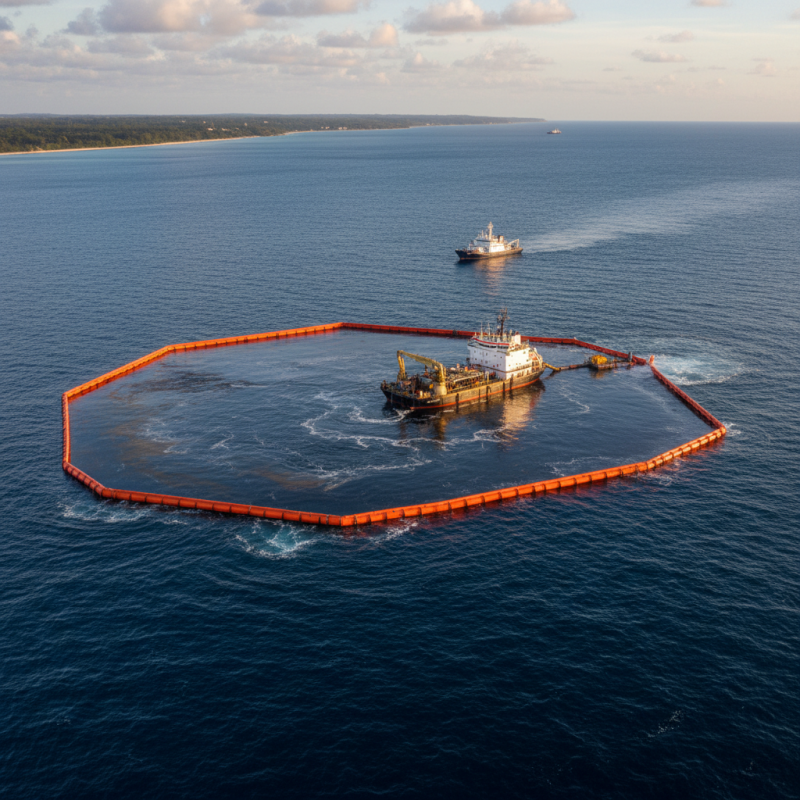
Overview of Floating Barriers in Oil Spill Containment
Floating barriers play a crucial role in managing oil spills. Designed to contain and prevent the spread of oil, these barriers work by creating a physical barrier on the water's surface. They can be deployed in various environments, including rivers, lakes, and coastal waters. The materials used in their construction influence effectiveness.
Common choices include high-density polyethylene for durability and flexibility.
Tips: Regular maintenance is essential. Check for wear and tear, especially after storms or heavy use.
Proper deployment techniques enhance overall efficacy. It helps to consider water currents and wind direction when positioning barriers. This foresight can greatly improve containment rates. Failure to keep this in mind can result in leaks.
Tips: Always conduct training for the team. Familiarity with equipment ensures quick and efficient responses during an emergency.
Monitoring the performance of barriers is vital. Conduct regular assessments to identify weaknesses. Continuous improvement is necessary, as technologies and methods evolve. Remember, addressing issues early can save significant resources in clean-up efforts down the line.
Types of Floating Barriers and Their Applications
Floating barriers play a crucial role in oil spill containment. Several types exist, each with unique applications and benefits. The most common types include containment booms, absorbent barriers, and silt curtains. These barriers are designed to mitigate the effects of spills in various environments, such as oceans, lakes, and rivers.
Containment booms are the most widely used type. These robust barriers effectively encircle spills and prevent them from spreading. According to the International Maritime Organization, proper deployment of boom systems can reduce pollution by up to 99% in localized areas. Absorbent barriers, often composed of materials like polypropylene, soak up oil for effective recovery. They can absorb several times their weight in oil, making them invaluable in rapid response scenarios.
Silt curtains, on the other hand, are primarily employed in construction and dredging operations to control sediment disturbances. Despite their effectiveness, silt curtains can be less effective in choppy waters. The efficiency of floating barriers can vary based on factors like water conditions and spill size. This highlights the need for continuous assessment and innovation in containment strategies. The industry must remain adaptable to ensure comprehensive protection against the environmental impacts of oil spills.
Factors to Consider When Selecting Floating Barriers
When selecting floating barriers for oil spill containment, several key factors come into play. The size and type of the spill will determine the barrier's design and specifications. A barrier must withstand harsh conditions, such as strong winds and waves. Durability is essential, as well as the material's resistance to oil degradation. Understanding local environmental conditions improves effectiveness.
Another critical factor is the ease of deployment and retrieval. Barriers should be user-friendly for quick installation in emergency situations. Training teams on their proper use can minimize mistakes during deployment. Maintenance requirements are another consideration; barriers must be easy to clean and repair. The efficiency of a barrier is only as good as its upkeep.
Regulatory compliance is often overlooked. Certain regions may have specific guidelines for barrier materials and usage. Adhering to these regulations ensures the barrier’s effectiveness and protects the environment. Ensuring all these factors are addressed is vital for successful oil spill containment. Each decision impacts the overall strategy, highlighting the need for continuous evaluation and adjustment.
Best Floating Barriers for Oil Spill Containment Solutions
This chart illustrates the critical factors to consider when selecting floating barriers for oil spill containment solutions. The ratings (on a scale of 100) reflect the importance of each factor based on industry standards.
Installation and Maintenance Best Practices for Floating Barriers
Floating barriers are essential for effective oil spill containment. Proper installation and maintenance are critical for their success. According to the U.S. Coast Guard, timely response within the first hour can minimize environmental damage significantly. Thus, the installation process must ensure barriers are tightly anchored and arranged to cover potential spill areas efficiently.
Regular maintenance is equally important. Inspect barriers for wear and tear, as ultraviolet exposure and harsh weather can degrade materials. A 2022 report from the Environmental Protection Agency highlights that 30% of floating barriers fail due to inadequate upkeep. Keeping a maintenance schedule can help address issues before they escalate. Consider periodic training for teams involved in handling these barriers.
Tips: Ensure your installation team has hands-on experience. This boosts safety and efficiency. Conduct drills to practice deployment and retrieval. Adequate preparation leads to improved response times during real spill events. Remember, even the best equipment needs vigilance and care to perform optimally.
Effectiveness of Floating Barriers in Real-World Oil Spill Scenarios
Floating barriers play a crucial role in oil spill containment. Their design allows them to trap oil effectively on water surfaces. In real-world scenarios, these barriers demonstrate varying levels of success. Factors such as wind, waves, and currents can significantly influence their effectiveness. Collecting oil is not an exact science.
In one investigation, barriers were deployed near the coast during an oil spill. Observations revealed that while some oil was captured, much still escaped. The barriers often struggled against the environmental conditions. Certain areas experienced higher efficiency, but results were inconsistent. The need for customization and adaptation became evident as conditions changed.
Real-time monitoring and maintenance are essential for optimal performance. Regular inspections can identify wear and tear on barriers. Additionally, training personnel in proper deployment techniques can enhance outcomes. Each spill presents unique challenges. Therefore, a comprehensive approach is necessary for effective oil spill management. Floating barriers, while valuable, are not a one-size-fits-all solution. Continuous research and development are needed to improve their capabilities.
Best Floating Barriers for Oil Spill Containment Solutions
| Barrier Type | Material | Effectiveness (%) | Deployment Time (Hours) | Recovery Rate (% Oil) |
| Foam-Filled Barrier | Polyethylene | 85 | 2 | 90 |
| Skimmer Barrier | PVC | 78 | 3 | 85 |
| Oil Fence Barrier | Polypropylene | 90 | 1.5 | 88 |
| Boom Barrier | Nylon | 82 | 2.5 | 86 |
| Inflatable Barrier | Hypalon | 75 | 3.5 | 80 |