2026 Best Marine Battery Options for Global Buyers?
As the boating industry evolves, the demand for reliable marine batteries is more crucial than ever. According to a recent report by market analysts, the Marine Battery market is projected to grow at a CAGR of 5% from 2023 to 2026. This rise is driven by the increasing popularity of recreational boating and the shift towards electric propulsion systems. Marine batteries are essential for powering various onboard systems, including navigation, communication, and lighting.
In this competitive market, it's vital to note that not all marine batteries are created equal. Buyers should assess factors like capacity, lifespan, and charging speed. Lithium-ion batteries have gained popularity for their efficiency and weight advantage; however, lead-acid batteries still hold a significant share due to their lower initial cost. Each option presents unique benefits and potential drawbacks.
Choosing the right marine battery is a decision that demands careful consideration. A poorly selected battery can lead to downtime or even unsafe conditions at sea. Understanding specifications and brand reliability can significantly impact performance and safety. As we navigate through the diverse options available in 2026, it's essential to prioritize informed choices that align with both performance needs and budget constraints.
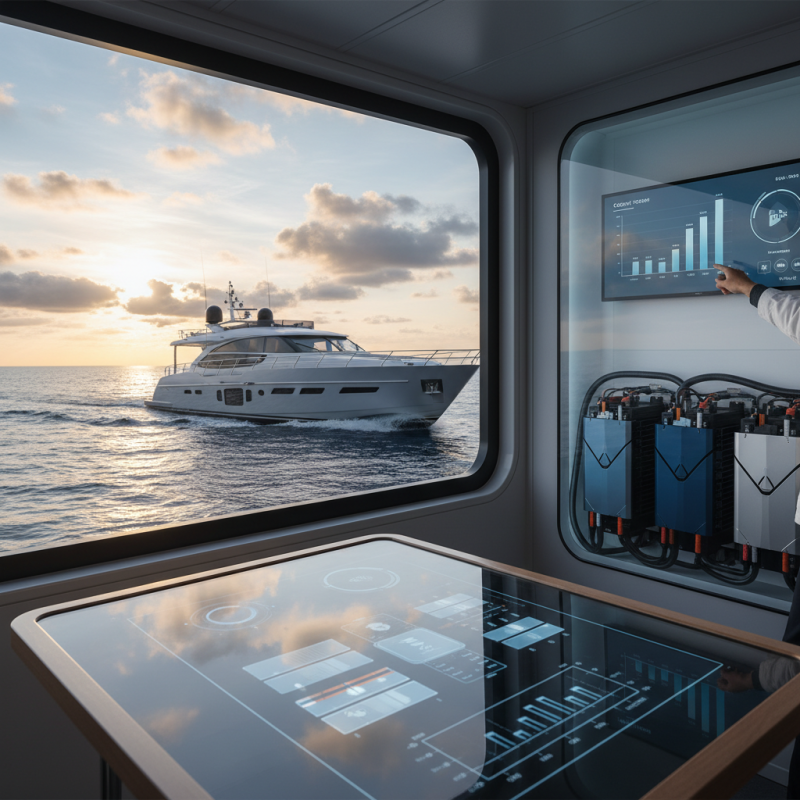
Overview of Marine Batteries: Types and Technologies
Understanding marine batteries is essential for boat owners. These batteries come in various types and technologies. The main categories include lead-acid, lithium-ion, and gel batteries. Each type has unique characteristics that suit different needs.
Lead-acid batteries are the most traditional. They are known for their reliability and affordability. However, they are heavier and have a shorter lifespan compared to newer technologies. Lithium-ion batteries, on the other hand, are lighter and more efficient. They offer longer life spans and charge faster, but they can be more expensive.
When considering a marine battery, think about your usage. What’s your adventure style? Will you need frequent deep cycling? Tips: Always match your battery type with your boating requirements. Ensure you check the weight—too heavy can affect your boat’s balance.
Choosing the right battery can be daunting. Understanding terms like amp-hour and cold cranking amps helps. Don’t hesitate to consult experts or read guides. Stay informed, as technology is rapidly evolving. Think about future needs too; the right choice today can bring peace of mind later.
Key Features to Consider in Marine Batteries
When choosing a marine battery, several key features warrant attention. First, consider the battery type. Lead-acid, AGM, and lithium batteries each have unique advantages. AGM batteries are less prone to leaks. Lithium options can be lighter and more efficient. However, each type comes with specific maintenance needs.
Capacity is another significant factor. Look for a battery that matches your power requirements. It is essential to know how long you need to run your devices. Overestimating your needs can lead to a costly mistake. Battery life should influence this decision, as a longer lifespan can result in better value.
Tips: Always check the manufacturer's specifications. Compare weight and dimensions to ensure a proper fit on your vessel. Consider whether you will need deep cycling of the battery, as this affects long-term health. Ensure that the chosen option is easy to install and maintain. Being informed will help you make a decision that supports your marine adventures effectively.
Top Marine Battery Brands for 2026
When choosing marine batteries in 2026, buyers should consider brands known for performance and durability. According to a recent industry report, the global marine battery market is projected to grow at a CAGR of 8.3% from 2021-2026. This growth reflects a rising demand for reliable energy solutions in marine applications.
Top brands often focus on specific technology. Lithium-ion batteries are gaining popularity for their lightweight nature and longer life cycles. Some users report that they can last up to ten years with proper maintenance. However, traditional lead-acid batteries still hold a significant market share due to their affordability and easy availability.
Tips: Regularly check battery terminals for any signs of corrosion. This simple maintenance step can prolong battery life. Also, consider battery size and weight to optimize space on your vessel. It's also important to assess your power needs accurately; overestimating may lead to wasted energy.
Selecting the right marine battery is crucial. Each brand offers different benefits and drawbacks. Some users find that the upfront cost can be high for lithium batteries. Yet, the long-term savings in maintenance and replacement may justify this expense. Always read customer reviews and expert recommendations to make informed choices.
Comparative Analysis of Marine Battery Performance
Choosing the right marine battery can be overwhelming. A comparative analysis of marine battery performance reveals significant differences. According to a 2022 industry report, lithium-ion batteries outperform lead-acid in energy density. They provide about three times more power in a compact size. This allows for more efficient space management on boats.
Charging speed is another crucial performance factor. Many lithium-ion batteries charge up to five times faster than their lead-acid counterparts. This feature can be vital during extended trips when time is of the essence. However, lithium batteries come with a higher initial cost. Long-term savings may offset this, but it requires careful evaluation.
Marine users also consider lifespan and maintenance. Lead-acid batteries typically last around 3-5 years. In contrast, lithium-ion options can last 10 years or more with minimal upkeep. This durability can significantly reduce replacement frequency and costs. However, there are still challenges. Environmental concerns arise from disposing of batteries. Users must weigh both performance and ecological impact for responsible usage.
2026 Best Marine Battery Options for Global Buyers
| Battery Type | Capacity (Ah) | Weight (lbs) | Cycle Life | Warranty (Years) | Price ($) |
| AGM | 100 | 65 | 600 | 3 | 200 |
| Lithium-Ion | 100 | 33 | 3000 | 5 | 800 |
| Lead Acid | 110 | 75 | 300 | 2 | 150 |
| Gel | 105 | 68 | 400 | 4 | 180 |
| AGM Dual Purpose | 90 | 72 | 500 | 3 | 220 |
Global Trends in Marine Battery Usage and Sustainability
As marine battery usage grows globally, sustainability is a major focus. Many boaters realize that traditional batteries can harm the marine environment. Thus, the shift towards eco-friendly options is vital. Lithium-ion batteries are becoming popular due to their lower environmental impact. They offer long life and faster charging times.
Tips: Consider the battery lifecycle. Some batteries can last for years, reducing waste. Research recycling options for old batteries. Proper disposal is crucial for marine health.
A trend toward renewable energy is also evident. Solar-powered systems are gaining traction among boaters. These systems reduce reliance on fossil fuels. However, it’s important to evaluate energy needs carefully. Not every boat is prepared for solar transitions, and mistakes can increase costs.
Tips: Assess your power requirements before switching. Test your systems in safe conditions. Find a balance between energy demands and battery capabilities.