What are the Best Photovoltaic Connectors for Solar Projects?
In the ever-evolving world of solar power, selecting the right Photovoltaic connectors is crucial. Experts emphasize the importance of this choice. Michael Green, a leading figure in the solar industry, states, "The reliability of a solar project hinges on high-quality connectors." This highlights how essential these components are.
Photovoltaic connectors must withstand various environmental conditions. They link solar panels to inverters and other systems seamlessly. However, not all connectors meet the required standards. Some may be prone to corrosion or failure. This can jeopardize a project's long-term viability.
Understanding the types and specifications of these connectors is vital. Incorrect choices can lead to inefficiencies or even system failures. As solar technology advances, a focus on dependable Photovoltaic connectors becomes even more important. Investors, developers, and engineers should prioritize this element to ensure project success.
Types of Photovoltaic Connectors Commonly Used in Solar Projects
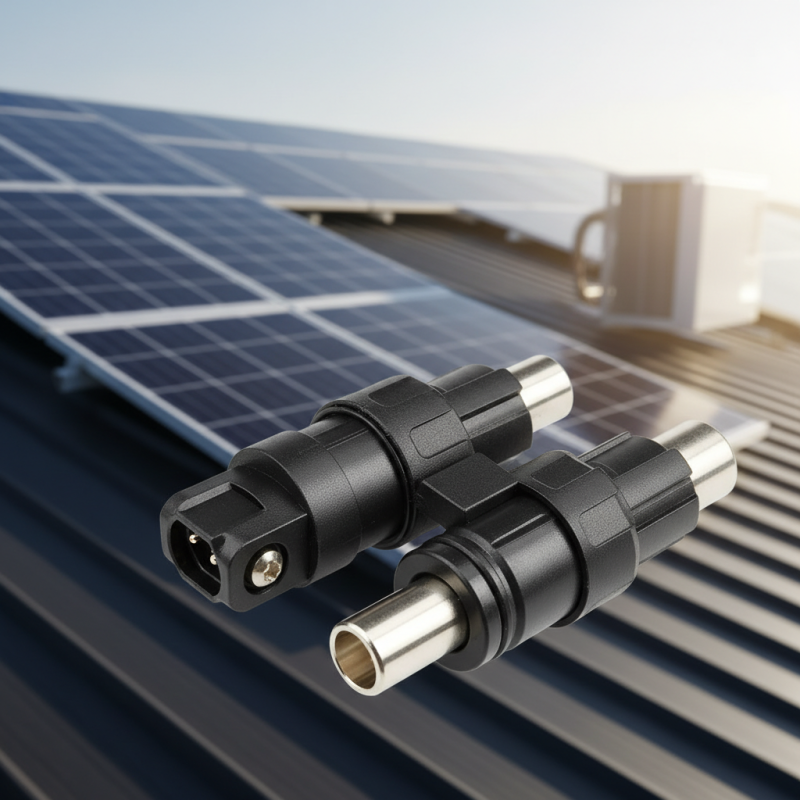
When working on solar projects, choosing the right photovoltaic connectors is crucial. Several types are commonly used. MC4 connectors are among the most popular. These connectors are known for their reliability and ease of use. They facilitate quick connections and disconnections, which is essential during installation and maintenance.
Another type is the H4 connector. These are more compact and suitable for space-limited areas. They can handle higher current ratings, making them ideal for larger systems. However, they can be a bit tricky to handle. Proper installation is necessary to avoid issues later.
Additionally, there are other options like T4 and solar junction boxes. T4 connectors are designed for modular installations. They offer flexibility but may have a learning curve for new users. Junction boxes provide a central point for connections. They protect the wires from environmental elements. Yet, they can add bulk to the system. Each connector type has its pros and cons, and selecting the best one often requires careful consideration.
Key Features to Consider When Selecting Photovoltaic Connectors
When selecting photovoltaic connectors for solar projects, several key features should be considered. Compatibility with various solar panel types is essential. Connectors must fit securely to prevent energy loss and ensure safe operation. The right connector will also endure harsh weather conditions. Strong materials and design prevent corrosion and damage.
Another important factor is ease of installation. Users often prefer connectors that are user-friendly. They should allow for quick connections and disconnections. This can save time and effort during setup. Additionally, consider the connector's current rating. Ensure it meets the needs of your solar project to maximize efficiency.
Lastly, look into the lifespan of the connectors. Some may degrade faster than expected, especially under heavy use. Warranty details can provide insights into reliability. However, no connector is perfect, and some may require regular maintenance. Stay vigilant and inspect periodically to sustain overall performance.
Top Brands and Manufacturers of Photovoltaic Connectors
Photovoltaic connectors play a crucial role in solar energy systems. They ensure reliable connections between solar panels and inverters. The choice of connectors can impact the efficiency and safety of a solar installation. Recent studies suggest that durability and temperature range are key factors when selecting connectors. For instance, connectors must withstand harsh environmental conditions.
Top manufacturers focus on quality and innovation. They often test their products rigorously. The IEC 62852 standard is significant. Connectors meeting this standard display superior performance. Data indicates that high-quality connectors can improve overall system efficiency by up to 2%.
Tips: Always consider the lifetime and weather resistance of connectors. Look for products with certified ratings. Poor-quality connectors can lead to overheating and failures. Regular maintenance checks are essential. Ensure connections are tight and free of corrosion. A small oversight can cause significant setbacks in solar performance.
Environmental Factors Affecting the Performance of Photovoltaic Connectors
Environmental factors play a crucial role in the performance of photovoltaic connectors used in solar projects. Temperature fluctuations can impact connectors' effectiveness. High heat can lead to thermal expansion, which may cause connections to loosen. In contrast, extreme cold temperatures can make certain materials brittle, increasing the risk of failure. Proper installation techniques can mitigate some negative effects.
Moisture is another significant factor. Humidity can lead to corrosion, especially if connectors are not rated for such conditions. Ensuring proper sealing and protection is vital. Dust and dirt accumulation can also hinder performance by creating resistance in connections. Regular maintenance is needed to ensure cleanliness.
Light exposure is an often-overlooked aspect. UV radiation can degrade certain materials over time. Connectors exposed to intense sunlight may not last as long as expected. Choosing materials that are resistant to UV damage is essential. Continuous monitoring and assessment of connectors will help in identifying potential issues early on.
What are the Best Photovoltaic Connectors for Solar Projects?
| Connector Type | Temperature Range (°C) | Water Resistance (IP Rating) | UV Resistance | Typical Applications |
| MC4 | -40 to +90 | IP67 | Yes | PV Systems, Residential and Commercial |
| Amphenol H4 | -40 to +85 | IP68 | Yes | Utility-scale PV Plants |
| Multi-Contact | -40 to +85 | IP67 | Yes | Commercial Rooftop Systems |
| Tyco/TE Connectivity | -40 to +85 | IP67 | Yes | Residential Systems |
Installation Best Practices for Photovoltaic Connectors in Solar Systems
When installing photovoltaic connectors, attention to detail is crucial. A reliable connection can significantly impact the efficiency of solar energy systems. According to industry reports, improper connections lead to up to 30% energy loss. This statistic emphasizes the importance of following best practices during installation.
One common mistake is neglecting to clean the connectors before installation. Dust and moisture can hinder electrical performance. Always use a dry cloth to wipe connectors. Ensure that the connection points are tight and secure. This minimizes the risk of corrosion and electrical faults over time.
Tip: Regular maintenance checks can help identify wear and tear early. Inspect the connectors every six months. Look for signs of oxidation or loose connections.
Another installation pitfall is using connectors not rated for specific environmental conditions. For example, connectors exposed to extreme temperatures or humidity may fail prematurely. Select connectors qualified for local weather conditions. This ensures longevity and reliable performance.
Tip: Familiarize yourself with local weather patterns. Choose connectors that are rugged and durable enough to withstand these conditions.