
China Top Ascophyllum Nodosum Agriculture Supplier?
Choosing a China-based Ascophyllum Nodosum Agriculture supplier takes more than comparing price lists. Buyers need to verify species identity, harvest origin, extraction method, batch consistency, and supporting test records. These details matter because seaweed extracts can differ in composition and performance. A polished label is not proof of a reliable product.
The wider seaweed sector is substantial, but its figures require careful reading. FAO’s The State of World Fisheries and Aquaculture 2024 reports 37.8 million tonnes of aquatic plants produced globally in 2022, largely through aquaculture. That figure covers many types of algae; it does not measure Ascophyllum nodosum supply specifically. MarketsandMarkets estimated the global biostimulants market at about US$3.7 billion in 2023, with growth projected through 2028. This is a commercial forecast, not a guarantee of demand or product results. Keep that distinction clear.
For China-focused sourcing, ask suppliers for recent third-party laboratory reports, traceable raw-material records, and clear product specifications. Check alginate, mannitol, and moisture data where relevant, while confirming the methods used. Request field-trial details for the crop, application rate, and growing conditions. Results can vary. A supplier’s export experience may help, but it cannot replace evidence for a specific batch. This guide examines how to assess Chinese suppliers, compare documentation, and spot claims that need closer review. Some records may still leave unanswered questions; that is a reason to investigate, not to assume.
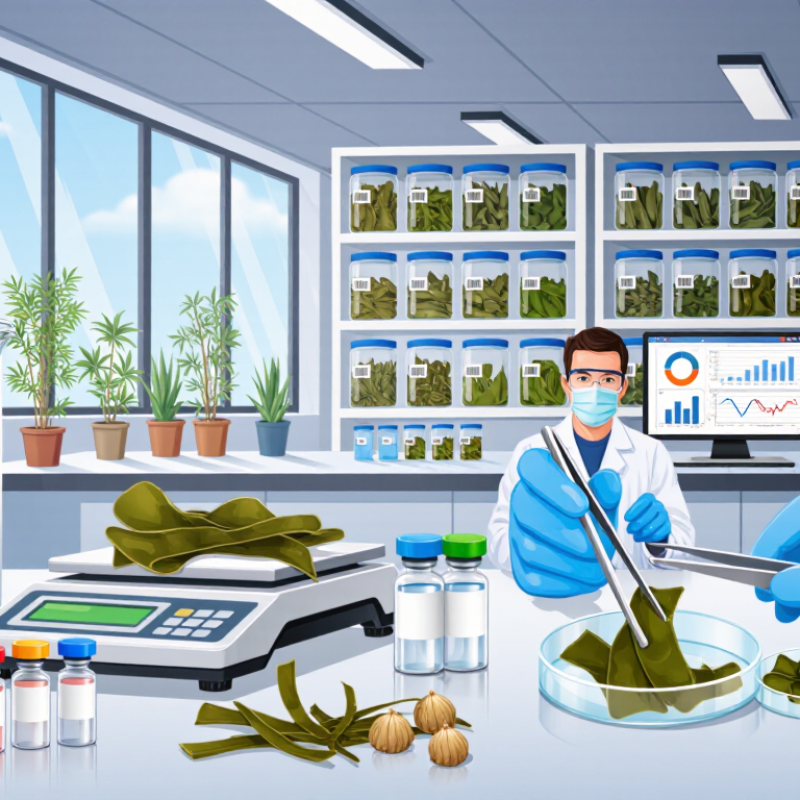
What Is Ascophyllum Nodosum and Why Is It Used in Agriculture?
Ascophyllum nodosum is a brown seaweed that grows along North Atlantic shores, often attached to rocks exposed at low tide. In agriculture, it is processed into liquid or powdered extracts for seed treatment, root application, or foliar spraying. The extracts can contain alginates, mannitol, minerals, and other natural compounds. They are used as biostimulants, supporting processes such as root growth and nutrient uptake rather than supplying all a crop’s nutrition. It is not magic.
The wider seaweed industry is substantial: the FAO’s The State of World Fisheries and Aquaculture 2024 reports 37.8 million tonnes of algae production in 2022, with nearly all produced through aquaculture. That figure covers algae broadly, not Ascophyllum alone. Research reviews, including Khan et al. in the Journal of Plant Growth Regulation, describe potential benefits of seaweed extracts, but crop response varies with the extract, dose, soil, weather, and application timing. A spray that helps a crop under stress may do little in another field. Results deserve checking, not assuming. Farmers can compare treated and untreated strips and record yield, crop condition, and application details before expanding use.
How Is Ascophyllum Nodosum Processed into Agricultural Products?
Processing begins with harvested seaweed being sorted and rinsed to remove sand, shells, and excess salt. The clean biomass is drained, then processed fresh or dried, depending on the intended product and transport needs. It is chopped or milled before extraction. Manufacturers may use water, controlled alkaline conditions, or other extraction methods to release soluble compounds. The extract is then screened, concentrated, and formulated as a liquid or soluble powder. Processing choices matter. Excessive heat or inconsistent raw material can affect the finished extract, so producers should monitor temperature, pH, solids, and batch consistency.
Scale matters, but context matters too. FAO’s The State of World Fisheries and Aquaculture 2024 reports 37.8 million tonnes of global algae production in 2022, mostly cultivated seaweeds. This figure is not specific to Ascophyllum nodosum; it does underline the importance of traceable sourcing and careful handling. A useful quality check compares batches for soluble solids and key compositional markers. No single extraction recipe suits every crop or formulation, and that is easy to overlook.
Tips: Ask for a batch analysis and details on extraction conditions. Check whether the product dissolves cleanly in your spray water. Jar-test first; field water can behave differently.
How Ascophyllum nodosum Is Processed into Agricultural Products
A generalized sequence for producing seaweed-based agricultural extracts.
The bars show each step’s position in a typical workflow—not processing time, output, or a universal industrial standard. Extraction methods and final product forms vary; agricultural products may be liquid concentrates or dried powders.
What Products Can Chinese Ascophyllum Nodosum Suppliers Offer?
Chinese Ascophyllum nodosum suppliers may offer several agricultural product forms: dried seaweed meal, coarse flakes, soluble powder, and liquid extract. Form matters. Meal suits blended soil amendments; fine powder disperses more easily in water, while liquid concentrates support fertigation or foliar programs when product labels allow. Some suppliers also provide seaweed-based blends with nutrients or trace elements.
FAO’s The State of World Fisheries and Aquaculture 2024 reports 37.8 million tonnes of global algae production in 2022. That figure covers many algae species, not Ascophyllum nodosum alone, but it shows the scale of the wider seaweed supply chain. Buyers should still check species identification, harvest origin, extraction method, solubility, and batch test results. A certificate of analysis can report key parameters such as potassium, moisture, and alginate content.
One limitation deserves attention: the same species name does not guarantee identical composition. Harvest season and processing can change the final material. Ask for application guidance, storage conditions, and evidence supporting any performance claims. Small details matter. A powder that settles quickly may not suit a sprayer, even when its nutrient profile looks useful.
How to Evaluate a Top Chinese Agricultural Supplier
A capable supplier should show more than a polished brochure. Ask for the harvest location, species identification, extraction method, and batch-specific certificate of analysis.
FAO’s 2024 State of World Fisheries and Aquaculture reported 37.8 million tonnes of global algae production in 2022, with about 97% farmed. That broad figure is useful context, not proof of Ascophyllum nodosum origin or product quality. Traceability matters.
Check whether test results identify alginate, mannitol, and other declared components, and include limits for heavy metals and microbial contamination. Request recent reports from an ISO/IEC 17025-accredited laboratory, then compare the report’s batch number with the product label.
Numbers matter. Ask for stability data and storage instructions; a sample kept in a hot warehouse may behave differently from one stored correctly.
Supplier quality also shows in practical details: clear lead times, retained samples, and prompt answers about specification changes. Request replicated field-trial data on the relevant crop, application rate, and local conditions. One attractive trial is not enough. I would also test a small shipment before committing; it takes extra time, but paperwork alone cannot reveal mixing or handling problems.
What Should Buyers Check Before Placing an Order?
China Top Ascophyllum Nodosum Agriculture Supplier?
Before placing an order, buyers should check more than the price per kilogram. Ask where the Ascophyllum nodosum was harvested and how each batch is processed. A clear supplier should explain its extraction method, product form, recommended storage, and shelf life. Request a recent certificate of analysis with batch details. Review the listed nutrients and test results, rather than relying on broad claims about crop performance. No seaweed product can guarantee the same response in every field.
Check practical details, too. Confirm whether the material dissolves fully in your intended application, such as a spray tank or fertigation system. Ask about moisture, particle size, packaging weight, and protection from heat and humidity. If possible, test a small sample on a limited area before buying at scale. Keep notes on dilution, weather, crop stage, and visible plant response. This takes time, and the results may still be mixed, but it helps avoid costly assumptions.
Tips: Compare the same specifications across quotes. Check batch traceability and request written handling guidance. Start with a modest order, inspect the sealed bags on arrival, and store them in a cool, dry place. Don’t treat a low price as proof of value.