How to Choose the Right Fuse Box Circuit Breaker for Your Needs?
When selecting the right Fuse Box Circuit Breaker, the stakes are high. The National Fire Protection Association (NFPA) reports that over 50% of electrical failures stem from improper circuit protection. Choosing the right breaker can significantly reduce these risks and enhance safety in your home or workplace.
Understanding your specific needs is crucial. The market offers a variety of fuse box circuit breakers, each designed for different applications. The Electrical Safety Foundation International (ESFI) states that regular inspections and appropriate breakers can prevent electrical hazards. Yet, many consumers overlook these factors. When evaluating options, consider load capacity, voltage ratings, and the current type needed for your systems.
Installation and maintenance are also areas where mistakes can happen. Choosing the correct fuse box circuit breaker requires understanding industry standards and local codes. Many users fail to recognize that a seemingly minor oversight can lead to serious safety concerns. Prioritizing quality and compliance ensures that your systems function safely and efficiently.
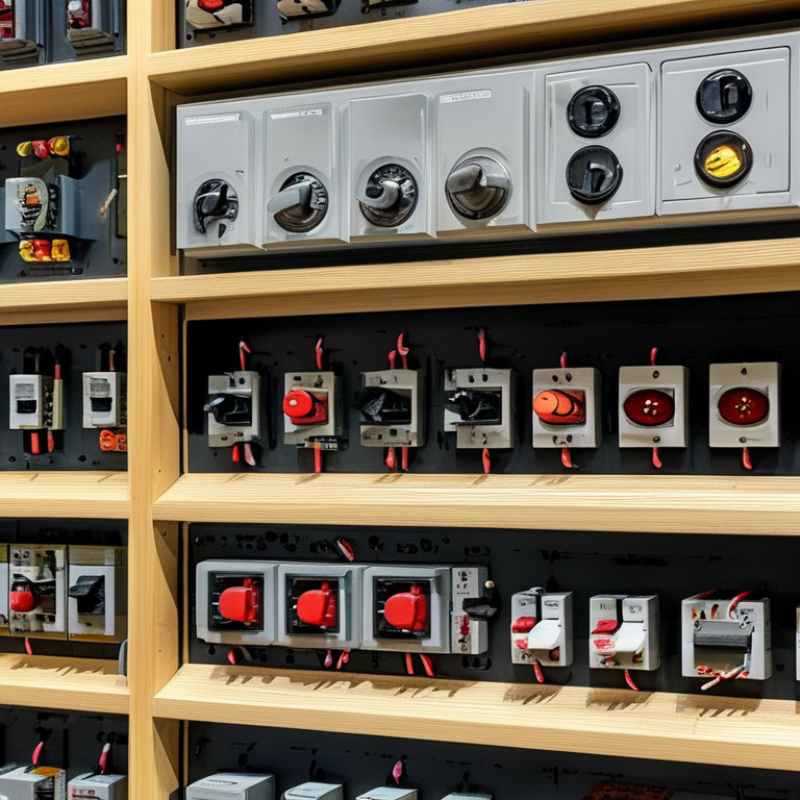
Understanding the Basics of Fuse Box Circuit Breakers
Understanding the basics of fuse box circuit breakers is essential for every homeowner. These devices protect electrical systems by interrupting the flow of electricity during overloads or shorts. You must choose the right type for your home to avoid potential hazards. A circuit breaker’s capacity, measured in amperes, determines how much current it can handle. Selecting the correct amperage is crucial to prevent damage and fire risks.
Different homes have varying needs. For example, older homes may have outdated systems that require specific breakers for compatibility. Newer homes often utilize more energy-consuming appliances and may need higher capacity breakers. When assessing your needs, consider the total load your breaker will manage. It's common to underestimate this, leading to complications. Consulting an electrician might be a wise choice if you're unsure. Professional insights can clarify your unique requirements.
Moreover, not all breakers are created equal. Some are designed for specific applications, while others are more versatile. For instance, GFCI breakers are essential for wet areas like kitchens and bathrooms, offering added safety. It's important to reflect on the risks in different rooms. Installing the wrong kind can lead to unnecessary issues. Your careful planning is key to an effective electrical system.
Types of Circuit Breakers and Their Functions
When selecting a circuit breaker, knowing the different types and their functions is crucial. There are several types of circuit breakers, including standard, GFCI, and AFCI. Standard breakers protect your home from electrical overload. They trip when a circuit is overloaded. GFCI breakers prevent electrical shock in wet areas. They are essential in kitchens and bathrooms. AFCI breakers detect arc faults. They reduce the risk of electrical fires.
Each type serves a specific purpose. Understanding these differences can help you make informed decisions. For example, using a GFCI in a dry area won't offer any benefits. In addition, older circuit breakers might not meet current safety standards. They can be less reliable and pose risks.
Consider your home's unique needs. You may require specialized breakers based on your appliances. Some areas might have specific electrical codes. Not addressing these could lead to costly rewiring later on. Balance safety with functionality to protect your space.
Factors to Consider When Choosing a Circuit Breaker
When selecting a circuit breaker, several factors come into play. Understanding your electrical load is crucial. Calculate the total amperage to determine the right breaker size. This ensures appliances run efficiently without tripping. Overloading can lead to safety concerns, and it’s vital to avoid this.
Another important aspect is the type of circuit breaker. There are standard, GFCI (Ground Fault Circuit Interrupter), and AFCI (Arc Fault Circuit Interrupter) options. Each serves different functions. For outdoor or wet areas, GFCIs are required. They protect against electrical shocks. On the other hand, AFCIs are important for reducing fire hazards from arc faults.
Don't overlook installation requirements. Sometimes, the layout of your electrical system affects breaker choice. Consulting with a professional can provide insights into potential issues. This ensures that the circuit breaker not only fits your needs but also complies with electrical codes. Remember, the wrong choice can lead to bigger problems down the line, so take your time to analyze your situation.
Choosing the Right Fuse Box Circuit Breaker
This chart displays the recommended amp ratings for different applications, helping you choose the right circuit breaker according to your needs.
Compatibility with Existing Electrical Systems
When choosing a fuse box circuit breaker, ensuring compatibility with existing electrical systems is vital. This includes understanding the current load requirements and types of devices connected to your system. An incompatible breaker can lead to safety hazards, such as overloads and electrical fires. Check your electrical panel's specifications carefully. Review the wattage and amperage ratings.
Tips: Always consult with a qualified electrician before making changes. They can assess your setup and recommend the best breakers. Ensure your replacements match the voltage of your system. An overlooked component can cause significant issues.
Don't forget to consider the breaker types available. Standard circuit breakers work for most applications, but specialty breakers may be necessary for specific setups. Assess your needs and maintenance capabilities. Ordinary breakers may suffice, but some situations require more robust solutions. If you're unsure, seek professional insight. A miscalculation can lead to costly repairs later.
Installation and Safety Considerations for Circuit Breakers
When considering the installation of circuit breakers, safety is paramount. Understanding the type of circuit breaker is essential. There are various options: standard, ground fault, and surge protection. Each serves a different purpose in safeguarding your electrical system. Standard breakers protect against overloads, while ground fault breakers are crucial for wet areas like kitchens and bathrooms. Surge protection breakers guard against voltage spikes.
Always assess the electrical load before installation. Inadequate breakers may trip frequently, causing frustration. On the other hand, oversized breakers can pose serious fire risks. It's important to follow local codes when installing circuit breakers. These codes are in place to safeguard your home and family. Consulting with a licensed electrician is often a wise choice. While DIY projects can be fulfilling, electrical systems require a professional touch.
Consider potential areas of concern during installation. For example, ensure that the area is dry and well-ventilated. Overheating can occur in poorly ventilated spaces. Also, ensure the panel is accessible for future maintenance. Regular inspections can help identify wear and tear. Remember, neglecting these details could lead to significant hazards. Always prioritize safety over convenience.