How to Choose the Best Hydraulic Pile Driver Machine?
Choosing the right hydraulic pile driver machine is crucial for construction success. These machines play a vital role in driving piles into the ground, ensuring proper foundation support. A well-chosen hydraulic pile driver can enhance efficiency and reduce costs.
Factors to consider include the project scale, soil conditions, and type of piles used. For instance, lighter machines may suffice for smaller projects, while heavy-duty models are necessary for larger sites. Understanding the machine's specifications is essential; hydraulic power, impact energy, and operational speed all influence performance.
While it may seem simple, choosing a hydraulic pile driver machine requires careful analysis. Many overlook crucial details, leading to potential delays and increased expenses. Experts recommend consulting with professionals to ensure informed decisions. The right choice not only increases productivity but also ensures safety on the job site.
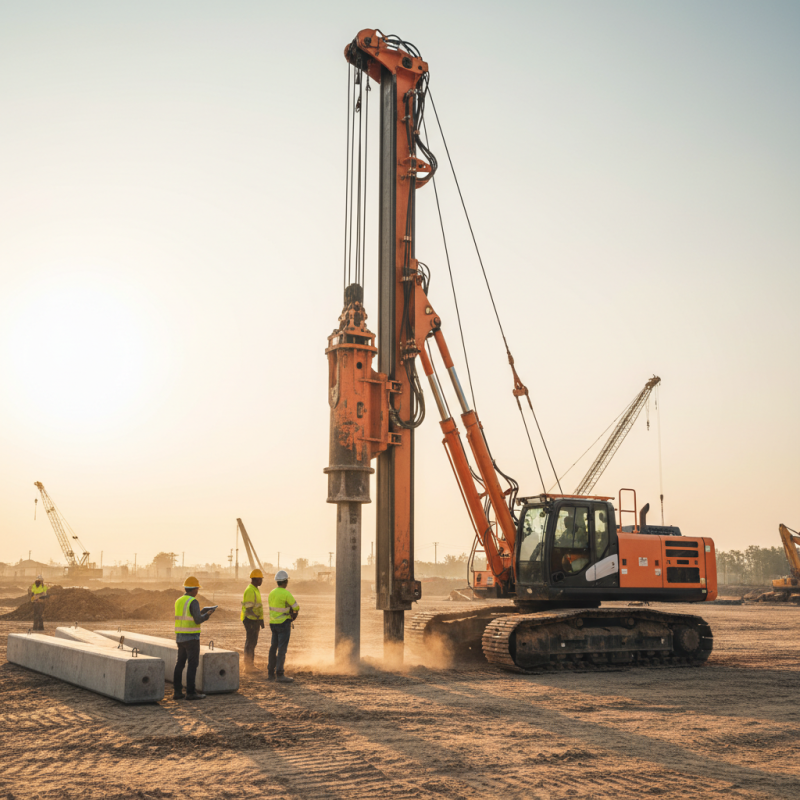
Understanding the Basics of Hydraulic Pile Driver Machines
When choosing a hydraulic pile driver machine, understanding its basics is crucial. These machines use hydraulic force to install piles into the ground. They are essential in construction projects for creating stable foundations. Different models cater to various soil types and project specifics. Knowing the mechanics helps in selecting the right machine for your needs.
Hydraulic pile drivers come with distinct features. Some are more portable, while others offer greater power. The choice often depends on the worksite conditions. Users must consider the weight and size of the equipment. An ill-suited machine can lead to inefficiencies. This might increase project timelines and costs. Additionally, operator training is vital. A well-trained operator can effectively manage the hydraulic functions.
It's also important to think about maintenance. Proper upkeep ensures the machine functions optimally. Neglect can lead to breakdowns, impacting productivity. Personal experiences highlight the balance between power and portability. Seeking advice from experienced users can provide valuable insights. Exploring forums and discussion groups often reveals common pitfalls and triumphs in choosing the right hydraulic pile driver.
Key Features to Consider When Selecting a Hydraulic Pile Driver
Choosing the right hydraulic pile driver can significantly impact your construction projects. Start by assessing power requirements. The machine's horsepower affects performance in various soil types. Ensure it can handle your project's specific demands.
Next, consider the weight and size of the pile driver. A heavier machine may provide better stability but could be difficult to transport. Think about access to the site and surrounding infrastructure too. Compact models can navigate tighter spaces but might lack the power needed for larger projects.
Also, don't overlook the brand's support and service network. A reliable manufacturer backs their equipment with good repair options. Reflect on the long-term costs associated with maintenance and parts availability. It's worth researching user reviews to understand real-world performance and potential issues.
Evaluating the Power and Capacity of Hydraulic Pile Drivers
When evaluating hydraulic pile drivers, power and capacity are two primary factors. A machine’s hydraulic power is often measured in PSI (pounds per square inch). Typically, effective pile drivers operate between 1,500 and 3,000 PSI. This range ensures precision in driving piles into various substrates, from soft clay to dense rock. Advanced units can exceed these standards, offering flexibility for diverse job sites.
Capacity, on the other hand, includes the weight and size of the piles being driven. Industry reports indicate that larger pile drivers can handle piles up to 30 inches in diameter and 100 feet in length. However, portability and ease of transport are crucial. Some designs become cumbersome, limiting site accessibility. This trade-off needs careful consideration.
Understanding soil conditions is essential too. Soil types greatly influence the required power for effective pile driving. Reports show that sandy soils provide less resistance compared to hard subsoil. As a result, a machine’s specifications should align with geotechnical assessments. Moreover, operational limits, such as maximum depth and load-bearing capacity, must not be overlooked. Operators should critically analyze machine performance in real-world conditions for optimal results.
Assessing the Safety and Compliance Standards of Pile Driving Equipment
When selecting a hydraulic pile driver machine, safety and compliance standards are paramount. These standards ensure that equipment operates effectively and protects worker safety. According to a report by the Occupational Safety and Health Administration (OSHA), improper use of pile driving equipment accounts for a notable percentage of workplace injuries in construction. Striving for adherence to these standards can reduce risks significantly.
Regular inspection of pile driving machinery is essential. Many experts recommend implementing a maintenance schedule that overlaps with compliance checks. A recent industry study indicated that 30% of equipment failures were linked to poor maintenance practices. By prioritizing regular inspections, companies can not only enhance operational efficiency but also bolster worker confidence in safety measures.
Understanding regional regulations is critical. Compliance with local safety standards varies from one area to another. Some regions have stricter guidelines for noise and vibration levels during pile driving. Failure to meet these requirements can lead to substantial fines or work stoppages. This highlights the necessity for continuous education on safety practices for all personnel involved in pile driving operations.
Comparing Costs and Brand Reputation in Hydraulic Pile Driver Selection
When selecting a hydraulic pile driver machine, understanding costs and brand reputation is essential. Various brands offer a wide range of models, making it necessary to compare their prices. While a cheaper option may seem appealing, consider the long-term value. Investing in a trusted brand often results in better durability and reduced maintenance costs.
Brand reputation plays a crucial role in your decision-making process. Research reviews and testimonials from industry professionals. A well-regarded brand typically has a history of reliability. Yet, not all brands are perfect. Some may have occasional quality control issues. Always look for the overall trend in feedback, rather than focusing on a single negative review.
Evaluating both costs and reputation can lead to better choices. Seek advice from experienced operators to gain insights into machine performance. This hands-on knowledge can be invaluable. Pay attention to brand consistency across different models, as this often indicates a commitment to quality.