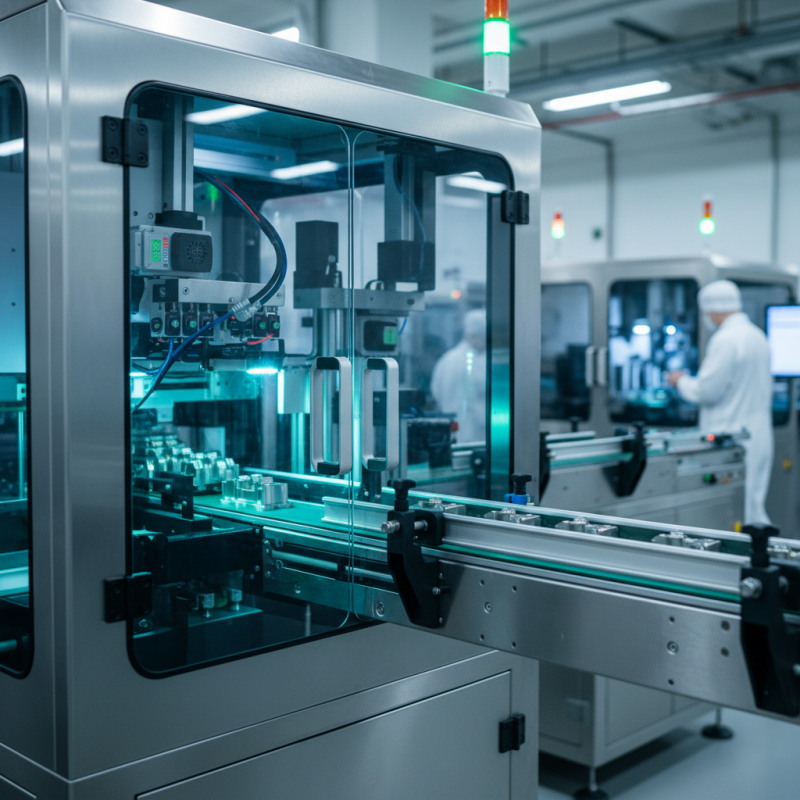
How to Choose a High Speed Inspection Machine for Your Business?
In today's fast-paced manufacturing world, speed and accuracy are crucial. A High Speed Inspection Machine can enhance productivity and quality control. Choosing the right machine, however, can be challenging. It requires careful consideration of various factors.
When evaluating a High Speed Inspection Machine, think about your specific needs. Different industries may require different features. Take the time to assess your production flow and identify potential bottlenecks. An efficient machine can eliminate unnecessary delays.
Not all machines will meet your expectations. Some may lack the precision needed for your products. Others might be too slow or require frequent maintenance. Reflecting on your requirements is essential. A well-chosen machine can be a game changer, but a poor choice may lead to wasted resources and frustration.
Understanding the Basics of High-Speed Inspection Machines
High-speed inspection machines play a critical role in various industries. Understanding their basics is essential for making an informed choice. These machines ensure that products meet quality standards before reaching consumers. The increase in production rates requires faster inspection methods to maintain efficiency and safety.
According to industry reports, approximately 70% of manufacturers are turning to automated inspection to enhance productivity. These machines can process thousands of items per hour, drastically reducing human error. Some current models utilize advanced imaging technologies, scanning products for defects with remarkable precision. However, the initial investment may deter some businesses. It's important to weigh these costs against potential gains in operational efficiency.
Choosing the right inspection machine isn't just about speed. Factors like the type of products being inspected and the specific requirements of your production line also matter. Regular maintenance and calibration are necessary. Neglecting this can lead to false positives or missed defects. A flawed inspection could tarnish a brand’s reputation. Making the right decision is a blend of understanding technology and recognizing the unique needs of your business.
Identifying the Specific Needs of Your Business
When choosing a high-speed inspection machine, understanding your specific needs is crucial. Different industries vary significantly in their requirements. For instance, food companies often need machines that can detect contaminants quickly and accurately. A study by the Food Safety Institute indicates that about 65% of food recalls are due to contamination. This emphasizes the necessity for precise inspection technologies.
Tips: Assess the unique aspects of your production line. This includes speed, size, and type of products being inspected. The right machine should integrate seamlessly with existing processes.
Another key point is the scalability of the equipment. As your business grows, so should your inspection capabilities. Research shows that companies that invest in scalable technology experience a 30% increase in efficiency within the first year. However, some businesses invest in machines that become obsolete quickly. This leads to unnecessary expenditures and inefficiencies.
Tips: Do thorough market research before purchasing. Understand your short-term and long-term needs. Avoid the temptation to choose the latest technology without assessing its relevance to your specific operations.
Evaluating Key Features and Specifications
When choosing a high-speed inspection machine, certain features play a crucial role. Look for machines that offer advanced imaging technology. High-resolution cameras can capture minute details. These details are vital for identifying defects that could affect product quality. A study by Industry Research claims that systems with better imaging reduce error rates by up to 25%. This statistic highlights the importance of investing in superior imaging equipment.
Speed is another key consideration. The machine should meet your production pace. If it can't keep up, it may create bottlenecks. Many businesses report that machines with a throughput of 200 units per minute significantly improve efficiency. However, there's often a trade-off with quality. Speed should not compromise accuracy. Some models may handle speed but suffer in defect detection.
Integration with existing workflows is also essential. A machine that fits seamlessly into your current setup will save time and training costs. It may seem tempting to opt for the latest model, but understanding compatibility is crucial. Experts suggest evaluating the interface requirements. Overlooking this may lead to operational headaches and delays.
Comparing Different Brands and Models
When choosing a high-speed inspection machine, comparing different brands and models is essential. Data from industry reports indicate a wide range of capabilities among various devices. Some machines can inspect up to 600 products per minute. Others may offer slower speeds but higher accuracy, making them suitable for specific applications.
Each brand has its unique features. For instance, some machines focus on optical inspection while others might excel in X-ray technology. A report from an automation study highlighted that 45% of manufacturers prefer all-in-one solutions. However, these can sometimes be challenging to calibrate and maintain.
Understanding the limitations is crucial. Many machines require a steep learning curve for operators. Inconsistent performance can also arise from environmental factors, such as lighting conditions. Equipment that guarantees warranties might still fail under real-world conditions. Balancing speed, accuracy, and ease of use is not always straightforward. Careful consideration will lead to better investment choices.
Considering Budget and Cost-Effectiveness Factors
When considering a high-speed inspection machine, budget plays a crucial role. According to industry reports, companies often allocate 30% of their production budget for quality control measures. However, choosing a machine that balances cost and performance is essential. The initial cost should be weighed against potential savings in labor and quality assurance.
Tips: Research total cost of ownership (TCO). This includes maintenance, training, and consumables. A lower initial purchase price might lead to higher long-term costs.
Finding the right machine involves evaluating not just the price, but also efficiency. The average payback period for inspection equipment is roughly 2 to 3 years. Investing wisely can significantly enhance production quality. Set clear performance benchmarks to assess your options.
Tips: Request demos and test different models. Don't settle for the first machine that fits your budget. It's important to reflect on your specific needs. Each production line is unique, and a one-size-fits-all approach may not yield the best results.