2026 How to Choose the Right Pressure Reducing Regulators?
Choosing the right Pressure Reducing Regulators (PRRs) is crucial for various industries. In many applications, the correct regulation of pressure can improve safety and enhance efficiency. According to a report by MarketsandMarkets, the global pressure regulator market is projected to reach USD 4.2 billion by 2025, driven by increasing demand across sectors like oil and gas, pharmaceuticals, and food processing.
When selecting Pressure Reducing Regulators, it’s essential to consider factors like pressure range, flow capacity, and compatibility with the media being regulated. For instance, in gas applications, the right regulator ensures stable delivery pressure, preventing potential hazards. Various reports emphasize the importance of proper selection, highlighting that 30% of regulator failures stem from inappropriate choice.
Yet, despite the data available, many still struggle with regulator selection. Misunderstandings about specifications can lead to inefficiencies. It is also important to note that every application presents unique challenges that may require additional regulatory features. Thus, a deeper understanding of PRRs is vital for optimal performance. A thorough evaluation can mitigate risks associated with incorrect regulator use.
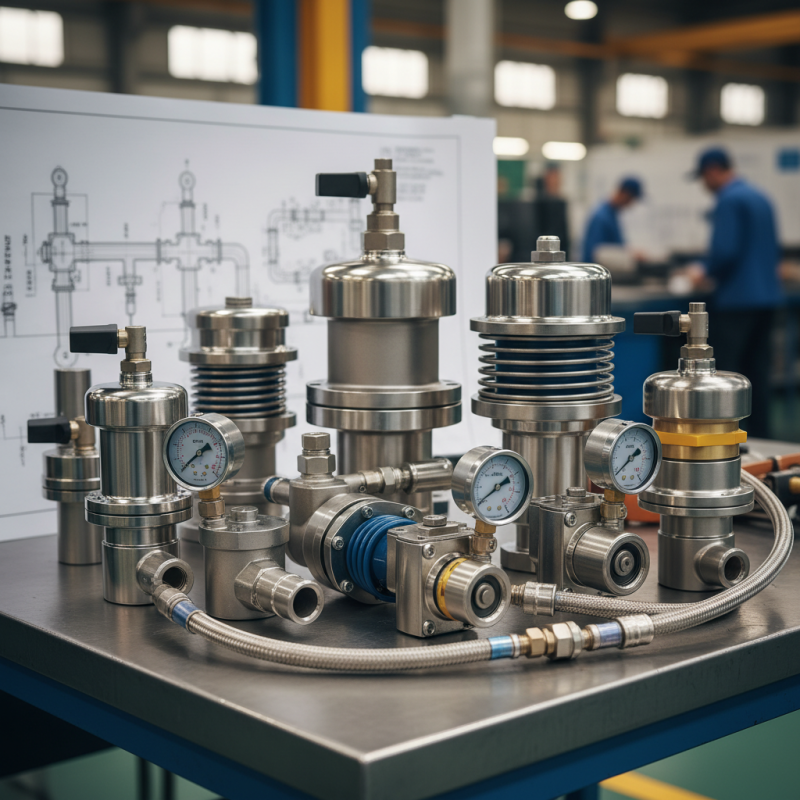
Understanding the Purpose of Pressure Reducing Regulators
Pressure reducing regulators play a critical role in many systems. They ensure that pressure remains within safe limits. These devices control the pressure of a gas or liquid, making it suitable for various applications. Understanding how they function is vital.
When selecting a regulator, consider what you need. What is the input pressure? What pressure is optimal for your application? Different systems have unique requirements. A wrong choice can lead to inefficiencies or even safety hazards. It's essential to know these factors before making a decision.
Some may overlook the importance of installation. If not installed correctly, even the best regulator may fail. Regular maintenance is also key. Inspecting for leaks or wear ensures continued performance. A lack of attention can result in costly downtime. Always ask yourself: am I using the right regulator for my system's needs?
Identifying Key Applications for Pressure Reducing Regulators
When selecting the right pressure reducing regulators, key applications should guide your choice. Understanding the environment in which the regulator will work is crucial. For instance, consider whether it will be used in a laboratory, industrial site, or residential area. Each environment has unique requirements.
Certain industries depend heavily on precise pressure control. For example, medical facilities need regulators that provide accurate and stable pressure. They protect patients and ensure medical equipment functions properly. In contrast, manufacturing plants may require regulators that withstand harsh conditions and fluctuating demands.
**Tips:** Always check the materials used in regulators. They need to resist corrosion and withstand high pressures. Consider the flow rate too. Too low can disrupt operations, while too high can be unsafe. Don’t overlook maintenance needs. Regular checks can prevent failures and costly downtimes.
Reflect on how you assess your needs. Often, we focus solely on specifications and forget real-world impact. Engage with experienced professionals. Their insights can reveal factors you might overlook. A well-chosen regulator can significantly enhance operational efficiency. It's about making a thoughtful choice.
2026 How to Choose the Right Pressure Reducing Regulators?
| Application | Pressure Range (psi) | Material Type | Size | Connection Type |
| Industrial Gas | 10-100 | Brass | 1/2" | Female NPT |
| Water Supply | 15-60 | PVC | 3/4" | Socket |
| Oil and Gas | 50-200 | Stainless Steel | 1" | Flange |
| HVAC Systems | 5-30 | Aluminum | 3/8" | Compression |
| Pharmaceuticals | 15-50 | PTFE | 1/2" | Tri-Clamp |
Factors to Consider When Selecting a Pressure Reducing Regulator
When selecting a pressure reducing regulator, several key factors come into play. One of the most crucial aspects is understanding the operating pressure range. Determine the inlet and outlet pressure limits before making a choice. This ensures compatibility with your system.
Another consideration is the flow rate. Different applications require varying flow rates. A regulator that can't handle the necessary flow may lead to inefficiencies. It's vital to match the regulator’s capacity with what your system demands.
**Tip:** Always consult a pressure gauge to monitor performance accurately. It can reveal if the regulator is functioning correctly.
Material construction also influences your decision. Corrosion resistance is important for longevity. Consider the mediums in use—some regulators may not withstand specific chemicals. Evaluate the conditions your regulator will face.
**Tip:** Visual inspection can reveal potential issues. Don't overlook signs of wear or damage; they may impact performance significantly.
Lastly, consider the size constraints of your space. A regulator too large may hinder installation and maintenance. Take precise measurements of the installation area. Proper sizing can prevent future complications.
Pressure Reducing Regulators Selection Factors
Evaluating Specifications and Features of Regulators
When evaluating pressure reducing regulators, specifications and features are crucial. Accurate pressure control is vital in various applications. According to the International Society of Automation, over 60% of industrial operations rely on precise pressure management for efficiency and safety.
The flow rate is a key specification. Different applications require varying flow rates. A regulator must handle the specific demands of your system. Moreover, the materials used in regulators significantly affect durability. Common materials include brass and stainless steel, which impact both cost and longevity. The selection should align with your operating environment to prevent premature failure.
Another aspect is the ease of adjustment. Some regulators offer adjustable settings, while others are fixed. Understanding this feature aids in balancing performance and simplicity. Additionally, consider response times. Regulators with faster response times can enhance system stability. However, overly sensitive regulators may cause erratic performance. Balancing sensitivity with reliability is essential to avoid potential problems.
Maintenance and Safety Best Practices for Pressure Reducing Regulators
Pressure reducing regulators play a vital role in managing gas flow and pressure within various systems. Regular maintenance is essential for ensuring their optimal performance. According to industry reports, improper maintenance can lead to pressure fluctuations, which may cause equipment damage or inefficient operations. A well-maintained regulator can enhance system reliability and safety, reducing the likelihood of failures.
Tips for maintenance include routinely checking for leaks. Even a small leak can lead to significant issues over time. Inspecting seals and connections bi-annually can prevent costly repairs. Additionally, cleaning the regulator according to manufacturer guidelines helps extend its lifespan. Dust and contaminants can affect its operation, so routine cleaning is crucial.
Safety best practices are equally important. Operators should always wear appropriate personal protective equipment. Ensuring that all pressure settings align with system requirements is vital. Regular training on the equipment can mitigate risks. Implementing a proactive maintenance schedule will help identify issues early, reducing risks and enhancing overall system safety.