How to Choose the Right Spring-Loaded Plunger Latch for Your Needs
Choosing the right Spring-Loaded Plunger Latch can be critical for various applications, from furniture to industrial equipment. According to a report by MarketsandMarkets, the global latch market is expected to grow at a CAGR of 4.5% by 2025. This growth indicates an increasing reliance on efficient fastening solutions, highlighting the importance of selecting the right latch.
Understanding the specific requirements of your application is essential. The right Spring-Loaded Plunger Latch must offer durability, reliability, and ease of use. Factors like load capacity and environmental conditions play a significant role. A poorly chosen latch could result in equipment failure or safety concerns.
In many industries, the choice often comes down to material and design. Innovative latch designs provide enhanced functionality. However, not all latches are created equal. It's important to weigh the pros and cons carefully. Reflecting on these aspects can lead to better decision-making.
Understanding Spring-Loaded Plunger Latches and Their Applications
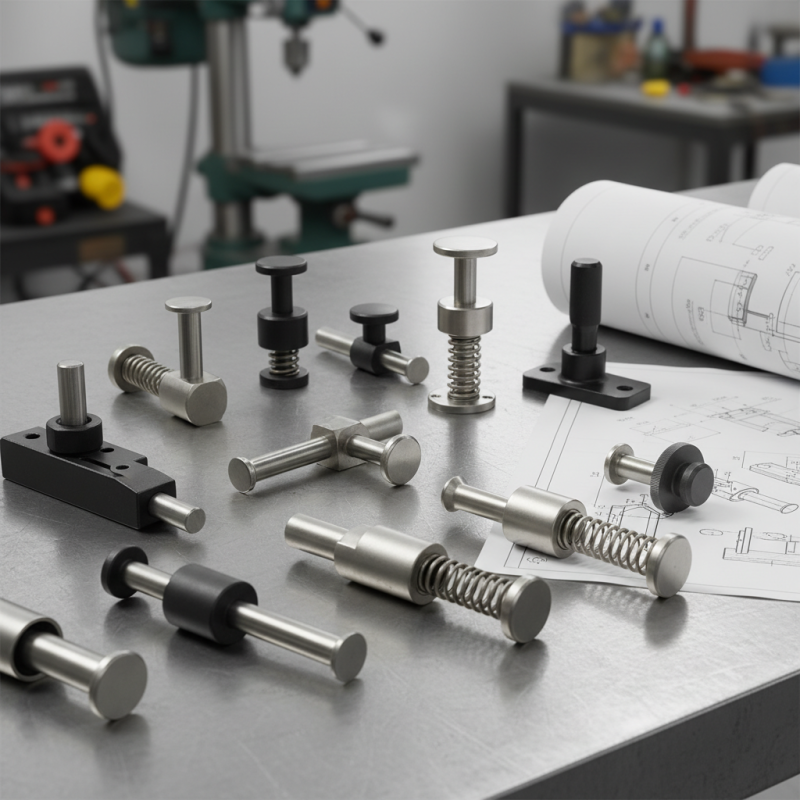
Spring-loaded plunger latches are essential components in various industries, offering secure closures and ease of operation. These latches function through tensioned springs that engage the plunger, allowing for quick locking and unlocking mechanisms. Their design often includes materials such as stainless steel or zinc-coated steel, which ensures durability and corrosion resistance. According to recent industry reports, over 70% of manufacturers prefer spring-loaded latches for applications in automotive, aerospace, and machinery due to their reliability.
The applications of these latches are diverse. In the automotive sector, for instance, they are commonly used in trunk closures and glove compartments, enhancing security while providing user convenience. In medical devices, their precision and reliability are crucial. It’s vital to choose the correct size and load capacity based on the application requirements. Misjudging these factors can lead to operational failures.
That said, spring-loaded plunger latches are not without their challenges. While many perform well under standard conditions, extreme temperatures can affect their spring characteristics. It’s also crucial to ensure regular maintenance, as wear and tear can compromise functionality. A thorough understanding of these factors is critical for optimal latch selection.
How to Choose the Right Spring-Loaded Plunger Latch for Your Needs
| Feature | Description | Application |
| Material | Stainless Steel | Heavy-duty applications, such as industrial equipment |
| Finish | Zinc Plated | Outdoor use where corrosion resistance is needed |
| Spring Type | Compression Spring | Used for quick engagement and disengagement of components |
| Size | 1/4 inch to 1 inch | Suitable for various applications, from small cases to large cabinets |
| Load Capacity | Up to 500 lbs | Heavy machinery and storage solutions |
| Actuation Method | Push Button | Automotive applications and toolboxes |
Factors to Consider When Selecting a Spring-Loaded Plunger Latch
When selecting a spring-loaded plunger latch, several factors demand your attention. Material choice is crucial. Stainless steel provides excellent corrosion resistance, while plastic options are lightweight and economical. According to industry data, around 60% of manufacturers prioritize material properties for durability. Temperature fluctuations may also affect latch performance, with specific materials outperforming others in extreme conditions.
Another vital consideration is the latch's load rating. Some applications require a higher load capacity, which can influence design choices. Research from engineering reports indicates that users often overlook proper load analysis, potentially leading to premature latch failure. The size and geometry of the plunger can impact gripping strength and ease of operation. Make sure to review the specifications closely to ensure compatibility with your intended use.
Installation flexibility is also paramount. Latches that offer adjustable mounting options can accommodate various setups. Some builders report frustration with rigid designs that limit placement. Think about your project needs and evaluate how the latch aligns with your specific requirements. This reflection can lead to more effective choices, minimizing future adjustments.
Types of Spring-Loaded Plunger Latches and Their Characteristics
When selecting a spring-loaded plunger latch, understanding the different types available is crucial. There are various models designed for specific applications. For example, some are made for light-duty tasks, while others can handle heavier loads. Each type has unique characteristics, impacting their performance and durability.
Consider the material used in the latch. Stainless steel options offer corrosion resistance, while plastic alternatives may be lighter and less expensive. Additionally, examine the latch's mechanism. Certain latches provide a smooth action, making them easy to operate, while others may require more force. This becomes important depending on your usage frequency.
Also, think about the installation requirements. Some latches are straightforward to install, while others may need additional tools or hardware. It's vital to match the latch's specifications with your project requirements. If you're unsure, consult with professionals for guidance. Each choice has its trade-offs and understanding these can lead to better operational outcomes.
Installation and Maintenance Tips for Spring-Loaded Plunger Latches
When installing spring-loaded plunger latches, attention to detail is crucial. The correct positioning ensures effective locking. A misaligned latch can lead to frequent malfunctions. According to a report by the National Association of Manufacturers, improper installation accounts for approximately 25% of latch failures.
Regular maintenance enhances the longevity of latches. This includes checking for wear and tear. A well-maintained latch functions smoothly, reducing the likelihood of damage. Inspection for rust or debris is essential. According to industry data, 30% of equipment failures are attributed to inadequate maintenance practices. Using a lubricant suitable for metal components can prevent operational issues.
Documenting the maintenance schedule could improve consistency. Keeping a log helps in identifying recurring issues. Engaging with professionals for installation guidance is often overlooked. Many users try to handle the installation themselves, leading to costly mistakes. Adopting a strategic approach ensures reliability and security in locking mechanisms.
Common Mistakes to Avoid When Choosing Plunger Latches
Choosing the right spring-loaded plunger latch can be challenging. Many users overlook critical factors. A common mistake is ignoring the latch's load capacity. According to industry reports, latches have specific weight ratings. Exceeding these limits can lead to failure. Understanding your application’s demands is vital.
Another frequent error is not checking material compatibility. Plunger latches come in various materials such as stainless steel or plastic. Selecting the wrong material can result in corrosion or wear. In a survey, about 30% of professionals reported issues due to incompatible materials. This can lead to costly repairs or replacements.
Users often select latches based on aesthetics rather than functionality. While appearance matters, functionality should take precedence. A visually appealing latch that doesn’t perform well is futile. It’s crucial to balance both aspects. Reflect on the strength, durability, and overall purpose of the latch before making a final decision.