How to Choose the Right Geyser Pressure Valve?
Choosing the right Geyser Pressure Valve is not a small maintenance detail. It affects how your water heater manages pressure, protects its tank, and handles everyday heating cycles. The correct choice depends on the geyser’s specifications, the valve’s pressure rating, and compatibility with the installation. A valve that looks suitable on the shelf may still be wrong for your unit.
For an illustrative expert voice, fictional geyser technician Sam Ndlovu puts the key principle this way: “Match the valve to the geyser’s rated pressure, not to guesswork.” This is an original line, not a quotation from a real, verifiable expert. The practical point is simple: check the appliance label and manufacturer’s instructions before comparing products. Look closely at the pressure rating, connection size, materials, and any temperature rating stated by the maker. Small details matter.
There is no universal best valve. A household with fluctuating supply pressure may need different checks from one with stable pressure, and local installation requirements can also vary. If the markings are unreadable, or the existing valve has corrosion, leakage, or mineral buildup, pause and seek advice from a qualified water-heating professional. Do not rely on appearance alone. That is easy to do, and worth reconsidering. This guide explains the features to compare, the questions to ask, and the warning signs that deserve attention before you choose a Geyser Pressure Valve.
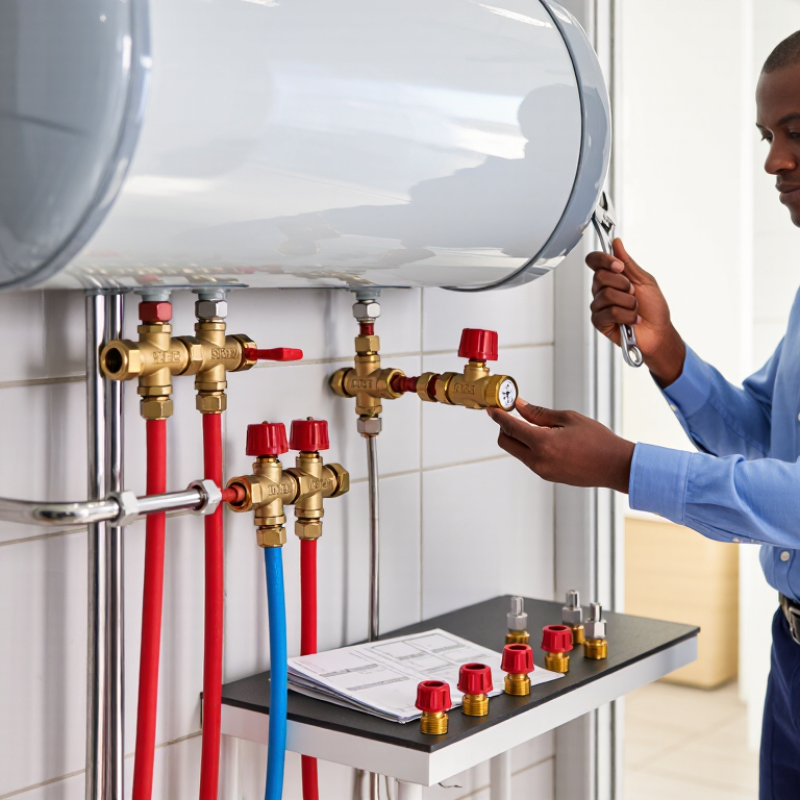
Understand the Role of a Geyser Pressure Valve
A geyser pressure valve protects the water heater when pressure rises beyond a safe level. As water heats, it expands and increases pressure inside the tank. If pressure becomes excessive, the valve opens and releases water through its outlet. Some designs also respond to unusually high temperature. The exact function depends on the valve type.
This is not just a small fitting. The valve’s pressure rating and capacity must suit the heater’s specifications. Its discharge pipe should remain unobstructed and direct hot water away from people. Never cap it. A drip during heating may have several causes, including thermal expansion or a valve problem. A continuing leak deserves attention, even when it seems minor. That detail is easy to overlook. Check the heater documentation, and ask a qualified technician to assess uncertain ratings, repeated discharge, or a valve that fails to operate. A mismatched valve can leave the tank inadequately protected.
Check Your Geyser’s Pressure and Capacity Requirements
How to Choose the Right Geyser Pressure Valve?
Check Your Geyser’s Pressure and Capacity Requirements
Start with the geyser’s data plate and installation manual. Check its rated working pressure, maximum allowable pressure, and storage capacity. The valve’s pressure setting must suit the appliance, not just the pressure coming from the supply pipe. A mismatch can cause leaks, frequent discharge, or unsafe pressure buildup. If the rating is unclear, ask a qualified plumber to identify it before buying a replacement.
Capacity matters, too. A larger tank holds more heated water, so its expansion and discharge needs may differ from those of a compact unit. Check that the valve type and discharge arrangement are specified for your geyser’s size and heating system. Water pressure can change during the day; a simple gauge reading at one moment may not tell the whole story. I have found this easy to overlook. It deserves a second check.
Tips: Compare the valve setting with the geyser’s stated rating, and confirm the inlet pressure under typical conditions. Never block or narrow the discharge pipe; it should drain safely and visibly. If the valve drips continuously, don’t simply tighten or cap it. Have the pressure, temperature, and valve condition checked by a qualified professional.
Compare Valve Types, Pressure Ratings, and Materials
Choosing a geyser pressure valve starts with its job. A temperature-and-pressure relief valve responds to excess pressure and heat, while a pressure-only valve responds to pressure alone. Some inlet control valves also limit incoming supply pressure. They are not interchangeable. Check the geyser manual and existing installation before selecting a type; a valve that fits the pipe may still be unsuitable.
Compare the valve’s set pressure with the geyser’s maximum rated pressure and the normal supply pressure. The set point must protect the tank, not simply match a number seen online. A pressure gauge at the inlet can reveal spikes that a quick glance misses. A chart alone can mislead. Local plumbing requirements and the manufacturer’s specifications should guide the final choice.
Material affects service life. Brass bodies are common, while stainless steel may suit some demanding water conditions; neither is automatically best for every home. Look for seals compatible with hot potable water, such as suitable EPDM compounds, and consider mineral content that can build scale around the outlet. Keep the discharge pipe visible, unobstructed, and directed safely. Small details matter. I would not assume a dripping valve is faulty without checking pressure, temperature, and installation first; a qualified plumber can test these safely.
Verify Compatibility with Local Plumbing Standards
A geyser pressure valve must match the plumbing rules where the unit is installed. Requirements can differ by country, municipality, and building type. Check local code or ask the water utility before buying; an online product listing is not proof of approval. Small details matter. Look for the required pressure rating, approved materials, and any local certification mark.
Compare the valve’s rating with the geyser’s specifications and the measured supply pressure. Also check the connection size and thread type. A valve that almost fits can leak or fail under pressure. Do not guess. Confirm whether you need a pressure-reducing valve or a temperature-and-pressure relief valve; they perform different jobs.
The relief valve’s outlet must follow local rules for pipe size, material, and safe discharge location. Never cap or block it.
Keep the installation manual and purchase details, and have a qualified local plumber verify the setup when requirements are unclear. Ask them to check the valve marking, inlet pressure, and discharge route before the geyser is used. It is tempting to rely on a familiar fitting, but standards and water conditions vary. Even a correct-looking valve may not be suitable for your system.
Choose a Valve and Plan for Safe Installation and Testing
How to Choose the Right Geyser Pressure Valve?
Choose a Valve and Plan for Safe Installation and Testing
Choose a pressure-relief valve rated for your geyser’s pressure and temperature. Check the appliance label and manual; a valve that merely fits the pipe may still be unsuitable. Local plumbing requirements matter, too. If the rating is unclear, ask a qualified plumber before buying. Small details count.
Plan the installation before touching the plumbing. Switch off the geyser’s power and water supply, then let the water cool. A professional can confirm the connection, install the valve in the correct position, and route its discharge pipe to a safe, visible drain. The outlet must not be capped, blocked, or reduced in a way that restricts flow. Hot discharge can cause serious burns, so keep people clear during testing.
Tips: Follow the valve maker’s test instructions, and don’t force a lever that feels stuck. Some systems need a professional inspection rather than a homeowner test. Check for drips, corrosion, and a clear discharge path after installation. I used to think a quick visual check was enough; it isn’t always. If the valve leaks continuously or fails to release water during the specified test, stop using the geyser and arrange a prompt inspection.