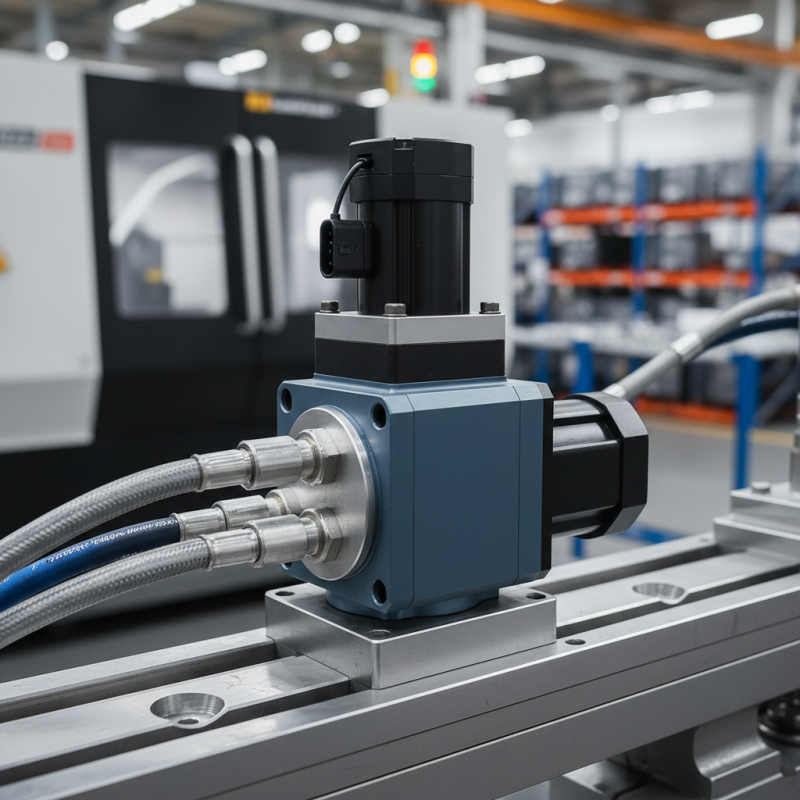
How to Choose the Right Hydraulic Proportional Valve for Your Needs?
Choosing the right Hydraulic Proportional Valve is crucial for optimal performance in hydraulic systems. These valves control fluid flow and pressure with precision. They are essential in various applications, from industrial machinery to mobile equipment.
When selecting a valve, consider specific requirements. Think about flow rates and pressure levels. Each application has unique demands. A small oversight can lead to inefficiency or failure.
Hydraulic Proportional Valves come in different configurations. It's essential to match them with your system's needs. Often, users overlook compatibility, which can cause significant problems. Careful evaluation is necessary to ensure a seamless fit. This decision can impact the entire system's reliability and performance.
Understanding Hydraulic Proportional Valves and Their Applications
Hydraulic proportional valves are essential components in various applications. They control fluid flow and pressure with precision. These valves adjust the hydraulic system's performance based on the input signal. This capability makes them suitable for applications ranging from industrial machinery to mobile equipment.
When selecting a hydraulic proportional valve, consider the specific needs of your system. Factors such as flow rate and pressure range play a significant role. Additionally, response time is critical for applications requiring quick adjustments. Sometimes, the size and mounting options may seem trivial, but they can become significant issues during installation.
Understanding the different types of hydraulic proportional valves is crucial. For example, some may perform well in steady-state operations, while others excel in dynamic scenarios. Regularly evaluating your choice can save time and resources. Ensure you conduct thorough research and, if needed, consult professionals to refine your selection process.
How to Choose the Right Hydraulic Proportional Valve for Your Needs?
| Type | Pressure Rating (bar) | Flow Rate (L/min) | Control Method | Applications |
| Directional Control Valve | 250 | 40 | Electro-hydraulic | Mobile machinery, robotics |
| Pressure Control Valve | 200 | 25 | Proportional solenoid | Industrial equipment, testing systems |
| Flow Control Valve | 300 | 60 | Analog control | Agricultural machinery, automotive |
| Proportional Check Valve | 150 | 20 | Digital control | Construction, material handling |
Key Factors to Consider When Selecting a Hydraulic Proportional Valve
When selecting a hydraulic proportional valve, there are several crucial factors to keep in mind. Consider the flow rate required for your application. This measurement determines if the valve can handle the needed performance. Additionally, assess the pressure rating. Incorrect pressure can lead to valve failure and costly downtime.
Another key factor is the valve’s response time. A valve that reacts too slowly may not meet your system's needs. Look for options with consistent and reliable performance. Also, think about compatibility. Ensure the valve suits your hydraulic fluid and system components. This avoids issues related to wear and tear.
**Tips:** Conduct thorough research on specifications. Don't rush your decision. Small differences can have significant impacts. Always consult with experts if unsure. Testing a valve under real conditions may reveal its true capabilities or limitations. This step can save you time and money in the long run.
Evaluating Flow Rate and Pressure Requirements for Your System
Choosing the right hydraulic proportional valve hinges significantly on understanding your system's flow rate and pressure requirements. A valve must match your needs to function properly. Flow rate determines how quickly fluid moves through your system. If it's too low, processes slow down. If it's too high, potential damage may occur.
Measuring the system's pressure is equally essential. Pressure influences the valve's response and control accuracy. Ensure the valve can handle maximum pressure without risks. You might find that technical specifications are daunting. Calculating flow and pressure may require assistance. Even the experienced can overlook critical details, leading to inefficient operations.
It’s imperative to account for variables like temperature and fluid type. These factors affect performance, yet they are often disregarded. Your system could face serious issues if ignored. Experimenting with different setups may also yield better insights. Reflecting on past decisions can guide you to better choices.
Flow Rate and Pressure Requirements for Hydraulic Proportional Valves
The Importance of Valve Sizing and Configuration in Performance
When selecting a hydraulic proportional valve, valve sizing and configuration matter significantly. The right size ensures efficient flow rates. An undersized valve can lead to pressure drops. Oversized valves may cause sluggish response times. Both issues can hinder system performance.
Proper configuration also affects overall efficiency. The arrangement of the valve in the circuit plays a key role. For example, incorrect positioning can lead to turbulence. This turbulence disrupts fluid dynamics and reduces performance. It's essential to match the valve's characteristics with your system's demands. Consider factors like fluid viscosity and temperature. These elements can alter flow behavior.
Many overlook these details, assuming one valve fits all. However, each application has unique requirements. Taking time to analyze your specific needs is crucial. Failing to do so may compromise the system’s efficiency and longevity. Be mindful of the potential pitfalls in valve selection. Ensure that you invest effort in proper sizing and configuration for optimal results.
Comparing Types of Hydraulic Proportional Valves: Advantages and Disadvantages
Hydraulic proportional valves play a crucial role in various industrial applications. Understanding their types is essential in making informed choices. There are several types available, such as solenoid-operated, servo, and pressure-compensated valves. Each type has specific advantages. For instance, solenoid-operated valves are often more cost-effective for basic operations. They provide straightforward control but can have limitations in responsiveness. This point is crucial if your application requires quick adjustments.
On the other hand, servo valves are responsive and precise. Reports indicate they can achieve control accuracies within 1%. However, they come with a higher price tag and complexity. Users may find that maintaining these systems requires significant resources.
Pressure-compensated valves offer a balanced solution. They maintain consistent flow despite varying pressure, but they can struggle in extreme conditions. Reflecting on these factors is vital when making a decision.
Each valve type has trade-offs. Take time to evaluate your specific needs and constraints. The right choice isn’t always clear. Assessing the operational environment and required precision can shed light on better options. Many industries report frustration with unsuitable choices, emphasizing the need for careful analysis.