How to Choose the Right Stainless Hex Nuts for Your Project?
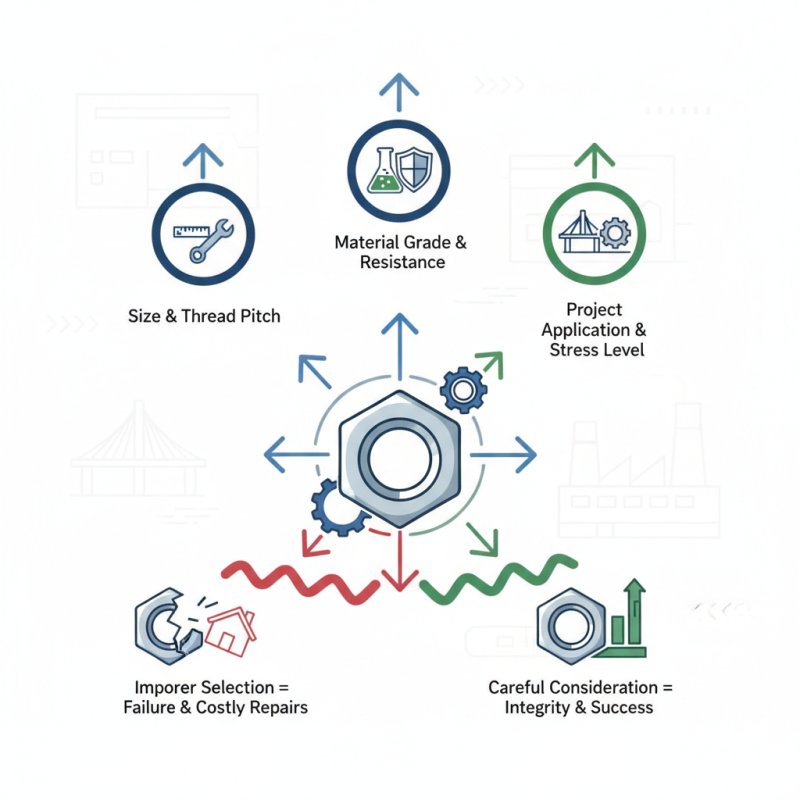
Choosing the right Stainless Hex Nuts for your project can seem daunting. According to industry reports, improper selections can lead to structural failures and costly repairs. In fact, a leading expert in fastening solutions, Dr. Emily Harper, emphasizes, "The right nut ensures the integrity of the assembly."
Stainless Hex Nuts are essential components in various applications, from construction to automotive engineering. Their strength and corrosion resistance make them a popular choice. However, not all Stainless Hex Nuts are created equal. Variations in size, material grade, and thread pitch can affect performance.
Understanding these nuances is crucial. A common pitfall is to overlook the specific requirements of a project. For example, using a lower-grade nut in a high-stress environment could lead to unexpected failures. Careful consideration of the specifications for Stainless Hex Nuts can prevent these issues and enhance overall project success.
Understanding the Types of Stainless Hex Nuts Available
When choosing stainless hex nuts, understanding the types available is crucial. Stainless steel comes in various grades. Each grade has different properties and benefits. Common types of stainless hex nuts include A2 and A4. A2 is ideal for general applications. A4, on the other hand, is better suited for corrosive environments.
Tips: Check the project requirements. Consider the environment where the nuts will be used. This can prevent costly mistakes later.
Hex nuts can vary in size, thread pitch, and strength. Choose the right size for your bolts. Using mismatched sizes leads to weak connections. Additionally, take note of the thread pitch. Incorrect pitch can render nuts unusable. Be mindful of your selections.
Tips: It’s wise to have samples on hand. Test them in your actual project. This will save headaches down the line. Quality should not be sacrificed for price. Reflect on your choices. A small detail might affect the entire project’s integrity.
Key Considerations for Selecting the Right Size of Hex Nuts
Choosing the right size of stainless hex nuts for your project is crucial. Proper sizing ensures structural integrity and functionality. Measure the diameter of corresponding bolts carefully. A mismatch can lead to failure in your assembly.
Consider the thickness of your materials. Thicker materials may require larger hex nuts. If nuts are too small, they can strip easily, leading to costly repairs. Measure in millimeters or inches, depending on your region. Keep in mind that nominal sizes can differ slightly from actual measurements.
Be aware of the thread pitch as well. A fine pitch allows for tighter fits, while coarse threads are easier to work with. It's wise to try different sizes to see what feels right. Sometimes you might underestimate the importance of thread styles. Regularly reviewing your choices prevents mistakes.
Distribution of Hex Nut Sizes for Various Applications
Material Grades and Their Impact on Performance and Durability
When selecting stainless hex nuts, material grades play a vital role. Different grades affect the strength, corrosion resistance, and durability of the nuts. Common grades include 304 and 316. Grade 304 is often used for general applications. It offers decent corrosion resistance. However, it may not perform well in highly corrosive environments.
In contrast, grade 316 nuts are better for marine or chemical settings. They have higher nickel and molybdenum content. This makes them more resilient against harsh conditions. If your project involves exposure to saltwater or chemicals, grade 316 is worth considering. This decision could significantly impact the longevity of your project.
Tips: Always consider the environment where the nuts will be used. If unsure, consult industry guidelines. Conduct a corrosion resistance test if conditions are extreme. It’s crucial to choose the right grade before making a purchase, as replacing defective nuts can be a hassle. Don't overlook the importance of these small components in overall project integrity.
Application-Specific Requirements for Stainless Hex Nuts
When selecting the right stainless hex nuts, application-specific requirements are crucial. The environment in which these nuts will be used can significantly impact their performance. For instance, nuts exposed to harsh chemicals require high corrosion resistance. 316 stainless steel is often preferred for such conditions due to its excellent resistance to pitting and crevice corrosion. Research suggests that over 60% of failures in mechanical systems stem from inadequate material choices.
Different industries have varying standards for hex nuts. In the automotive sector, nuts must meet specific torque and load requirements. The American Society for Testing and Materials (ASTM) outlines these specifications, indicating that a failure to comply can lead to serious safety issues. Even minor deviations in nut sizing can affect assembly integrity. Interestingly, about 30% of engineers admit they don't adequately assess these factors during a project. This oversight can be costly.
Furthermore, weight limitations in aerospace applications also dictate the choice of materials. Using lightweight yet durable stainless hex nuts is essential. Bolts and nuts play a vital role in maintaining structural integrity. A small change in the design can lead to a significant impact. Engineers should stay informed about the latest material advancements to avoid pitfalls in their projects. This ensures they select the most suitable nuts for their specific applications.
Best Practices for Installation and Maintenance of Hex Nuts
When installing hex nuts, attention to detail is crucial. Ensuring proper torque specifications is essential. According to the Industrial Fasteners Institute, 30% of fastener failures occur due to inadequate torque. This can lead to disastrous outcomes and costly repairs. Using a calibrated torque wrench helps ensure that each hex nut is tightened to the correct specification.
Another best practice involves choosing the right materials. Stainless steel hex nuts offer excellent corrosion resistance, but their effectiveness depends on the environment. For instance, in coastal areas, even stainless steel can corrode due to salt exposure. Regular inspections are necessary to identify signs of wear or corrosion. Maintenance can prevent premature failure and extend the life of your project.
Installation requires careful consideration of surface conditions. Clean surfaces allow for better locking and fit. Dirt or debris might compromise the effectiveness of the hex nut. A study by the Fastener Quality Act suggests that 20% of installation issues stem from improper surface preparation. This oversight can have long-term implications for structural integrity. Always prioritize cleanliness in installation to avoid future problems.