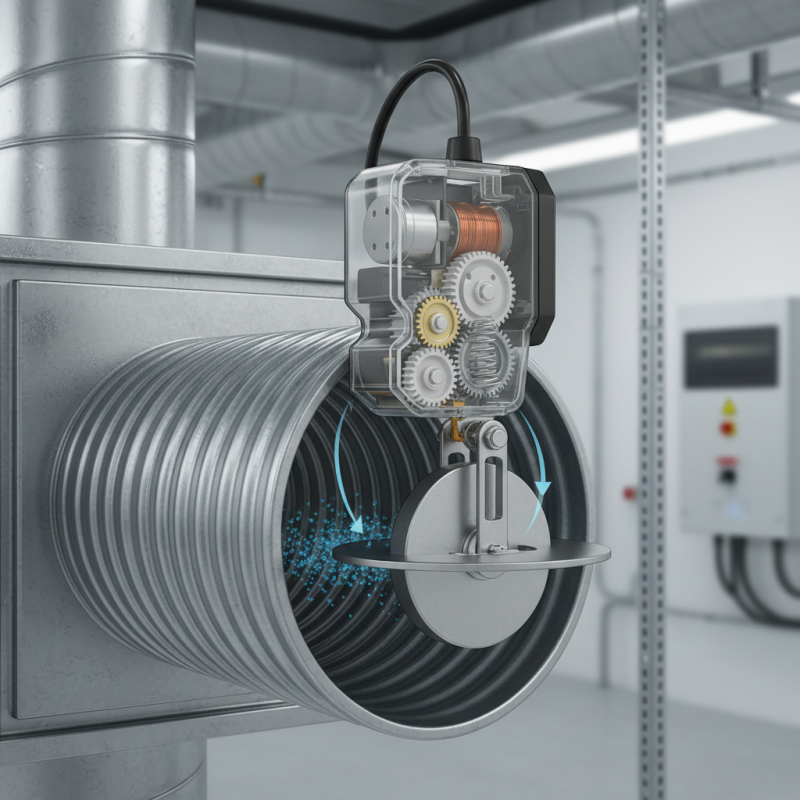
What is a Damper Actuator and How Does It Work?
A Damper Actuator is a crucial component in HVAC systems. It regulates airflow and maintains indoor comfort. By controlling dampers, it helps manage temperature and humidity levels effectively.
Understanding how a Damper Actuator works is essential. This device uses electrical signals to open or close dampers. The mechanism often incorporates springs and motors. These elements work together to ensure precise airflow adjustments.
Designing a system with a Damper Actuator requires careful consideration. Incorrect placement or sizing can lead to inefficiencies. Users might overlook the importance of calibration. Reflecting on these aspects can improve overall system performance.
What is a Damper Actuator?
A damper actuator is a crucial component in HVAC systems. It helps regulate airflow by controlling dampers. These devices can open or close based on signals from a control system. Typically, they ensure efficient heating and cooling within buildings.
In a recent industry report, 40% of energy consumption in commercial buildings is attributed to HVAC systems. Optimizing airflow through damper actuators can significantly reduce energy use. Precision is key; small miscalculations in airflow can lead to energy waste. Some actuators operate mechanically, while others are electric. Both types serve the same essential purpose: maintaining comfort and efficiency.
Many systems still rely on outdated actuator models. This can hinder overall performance. Newer technology offers smarter solutions. While advancements exist, implementation into old infrastructures remains a challenge. It's important to evaluate and adapt existing systems as technology evolves. Balancing cost with efficiency can be difficult, but it is necessary for long-term sustainability.
Types of Damper Actuators and Their Applications
Damper actuators play a vital role in HVAC systems. They control the airflow within ducts, improving energy efficiency. Various types of damper actuators exist, each suitable for specific applications.
Electric actuators are common in many residential settings. They provide precise control. Pneumatic actuators, however, excel in larger commercial spaces. They use air pressure for optimal operation. Hydraulic actuators offer robust performance in demanding environments, such as industrial applications. A recent report highlighted that about 40% of energy costs in buildings stem from inefficient airflow management.
Tip: Regular maintenance of damper actuators can extend lifespan, enhancing overall system performance.
Each type presents pros and cons. Electric actuators are user-friendly but may have limited torque. Pneumatic systems, while reliable, can require extensive piping. Users should assess their specific needs before choosing. Cost-effectiveness plays a crucial role in the decision-making process.
Tip: Consider the environmental impact when selecting an actuator type. Sustainable choices can lead to lower long-term operational costs. Monitoring and adjusting actuator performance is essential for optimizing system efficiency and durability.
How Damper Actuators Function Mechanically and Electrically
Damper actuators are essential components in HVAC systems. They help control airflow in ducts by adjusting air dampers. Understanding how they work mechanically and electrically can shed light on their significance.
Mechanically, damper actuators utilize a simple lever system. They connect to air dampers and respond to control signals. When activated, the actuator moves a lever to open or close the damper. This action regulates airflow effectively. The movement creates an audible sound, which indicates operation. However, this sound can sometimes be overlooked, leading to confusion about functionality.
Electrically, damper actuators rely on signals from a control system. These signals can be analog or digital. When the control system demands airflow changes, it sends a command. The actuator then responds accordingly. Sometimes, signal interruptions occur, resulting in miscommunication. This can lead to dampers remaining in an undesired position. Regular maintenance ensures that both the mechanical and electrical aspects function smoothly, reducing the risk of performance issues.
Installation and Maintenance of Damper Actuators
Installing a damper actuator requires careful planning. Begin by ensuring you have the right tools. A basic toolkit with screwdrivers and pliers is essential. Measure the dimensions of the ductwork accurately. This prevents any misalignment during installation. Proper alignment is crucial for efficient operation.
During installation, secure the actuator firmly to the damper. It should be mounted in a way that allows free movement. Inspect the wiring connections closely. Poor connections can lead to malfunctions. Test the actuator after installation. It should open and close smoothly. Any unusual noises should prompt a further assessment.
Maintenance plays a vital role in performance. Regularly check for dust and debris around the actuator. Clean any obstructions that may hinder movement. Occasional lubrication may be necessary to reduce friction. This can extend the life of the actuator. Always observe for signs of wear. Small problems can escalate quickly if ignored. Staying proactive can save time and costs in the long run.
Benefits of Using Damper Actuators in HVAC Systems
Damper actuators play a crucial role in HVAC systems. They control the airflow by adjusting dampers in ducts. This mechanism helps regulate temperature and improve energy efficiency. By opening or closing dampers, these actuators can direct air where it's needed most. This minimizes waste and ensures comfort in indoor spaces.
Using damper actuators offers various benefits. They enhance control over ventilation, leading to better air quality. Improved air distribution helps in maintaining consistent temperatures. This can reduce energy consumption, which is vital in today's world. Managing airflow effectively can also prolong the lifespan of HVAC equipment. However, some systems may struggle with actuator compatibility. Regular maintenance is essential to avoid failures.
Despite their advantages, challenges may exist. Selecting the right actuator may require careful assessment. Oversized or undersized actuators can lead to inefficiency. Installation can be tricky if not done properly. Balancing cost with performance can also cause dilemmas. It’s crucial to reflect on these aspects to maximize system performance.
What is a Damper Actuator and How Does It Work? - Benefits of Using Damper Actuators in HVAC Systems
| Feature | Description | Benefits |
| Type | Electric, Pneumatic, or Hydraulic | Variety of options to fit different HVAC systems. |
| Function | Controls airflow by opening and closing dampers | Improves system efficiency and comfort. |
| Applications | Residential, commercial, industrial HVAC systems | Versatile for various environments and needs. |
| Advantages | Energy savings, improved airflow control | Cost-effective in the long run, enhances comfort. |
| Installation | Can be integrated into existing systems | Minimizes disruption during upgrades. |
| Maintenance | Requires periodic checks for optimal performance | Ensures longevity and reliability of the HVAC system. |