What is an Electric E Bike Benefits and Features Explained?
The rise of the Electric E Bike market has transformed urban commuting and leisure cycling. According to a report by Allied Market Research, the global electric bike market was valued at approximately $23 billion in 2020, and it is projected to reach $49 billion by 2027. This growth highlights the increasing interest in sustainable transportation solutions.
Expert David Hesse, a leading analyst in the electric vehicle sector, emphasizes, "Electric E Bikes are not just a trend; they represent a significant shift in how we approach mobility." This assertion reflects the growing recognition of Electric E Bikes as reliable and eco-friendly alternatives to traditional bicycles and cars. With features like pedal assistance and extended battery life, they cater to diverse riders, from commuters to recreational enthusiasts.
Yet, as the market expands, challenges remain. Questions about battery disposal and varying regulations can complicate adoption. Understanding both the benefits and limitations of Electric E Bikes is crucial for potential users. This awareness can lead to better choices in an increasingly electrified world.
What is an Electric E-Bike?
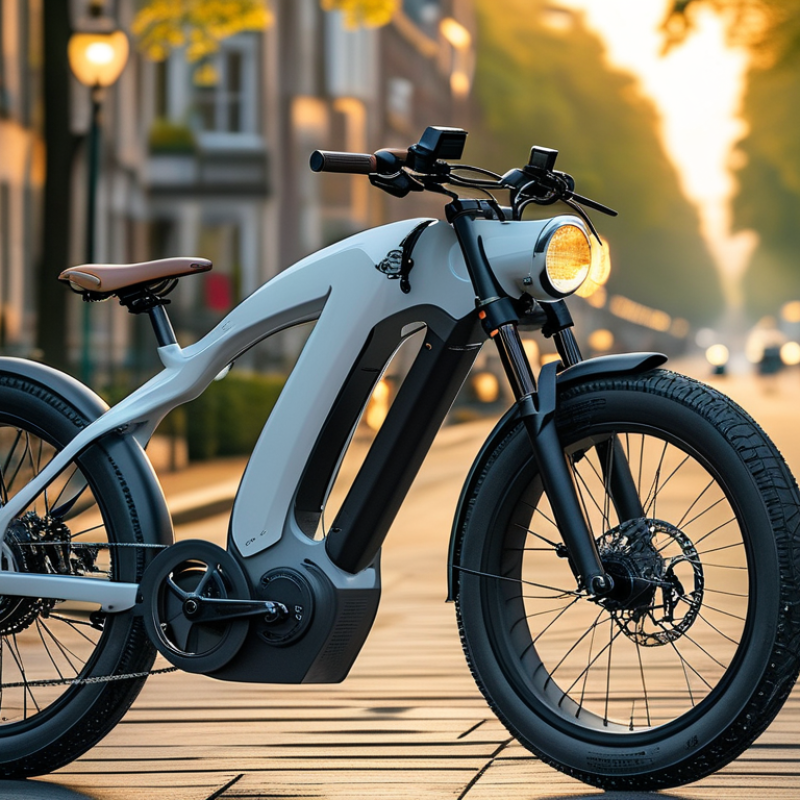
Electric E-bikes, or electric bicycles, are revolutionizing how we commute and explore. They combine traditional cycling with an electric motor to assist with pedaling. This makes cycling more accessible and enjoyable, particularly for those who may find riding a regular bike challenging. The electric motor provides a boost, reducing the effort needed to tackle hills or long distances.
Riders appreciate the flexibility of electric e-bikes. You can choose how much assistance you want, allowing for a customized experience. They’re particularly helpful for commuting, as they can shorten travel time and save energy. Plus, e-bikes can be more environmentally friendly than cars.
When considering an electric e-bike, think about range and battery life. Not all e-bikes are created equal in this regard. A battery with a shorter range can limit your adventures. Research and choose a model that suits your needs. Riding at a consistent pace can also extend battery life and make your trip more enjoyable.
Explore different models before committing to one. Each e-bike has unique features and benefits. Personal preferences play a big role in finding the right fit. Remember that the experience can vary significantly based on your choice. Take your time to reflect on what matters most in your e-bike experience.
Benefits of Electric E-Bikes
This chart illustrates the various benefits of electric e-bikes, scoring them on a scale of 1 to 100 based on their perceived advantages. The benefits highlighted include cost efficiency, environmental impact, health benefits, convenience, and the overall fun factor associated with riding electric e-bikes.
Key Features of Electric E-Bikes
Electric E-bikes are becoming popular due to their convenient features. A key characteristic is the electric motor, which assists riders in pedaling. This makes commuting easier, especially in hilly areas. Many models come with adjustable power settings, allowing riders to choose how much assistance they need. This flexibility is great for beginners and experienced cyclists alike.
Another notable feature is the battery life. Most electric E-bikes can travel between 20 to 60 miles on a single charge. Battery capacity varies, impacting range and charging time. Riders should assess battery health regularly for optimal performance. Additionally, many E-bikes feature sturdy frames and puncture-resistant tires, ensuring durability. These aspects enhance safety and reliability, making them suitable for various terrains.
Weight is another consideration. Electric E-bikes tend to be heavier than conventional bikes due to their motors and batteries. This can affect handling, especially for new riders. It’s essential to practice riding to adapt. Some E-bikes also include digital displays that track speed, distance, and battery levels. This information can help plan trips more effectively. New riders might find data overwhelming at first, but it’s beneficial for improving cycling experience.
Benefits of Using Electric E-Bikes
Electric e-bikes are revolutionizing the way we commute and explore. They offer significant benefits that enhance daily life. One of the key advantages is convenience. With an electric assist, riders can tackle hills and longer distances without excessive effort. This makes it attractive for both commuting and leisurely rides. Imagine gliding through your neighborhood, feeling the wind on your face, and arriving at work without a sweat.
Cost-effectiveness also plays a major role. E-bikes are generally cheaper to maintain compared to cars. You save on fuel and parking fees. Additionally, they promote a healthier lifestyle. Cycling improves cardiovascular health and boosts mental well-being. Riders can enjoy the outdoors while integrating exercise into their routine. However, some may struggle with comfort or fear of theft. These factors can deter potential users. Finding a secure storage solution or investing in a quality lock might help alleviate these concerns.
What is an Electric E Bike Benefits and Features Explained?
| Feature | Description | Benefits |
| Electric Motor | Provides assistance while pedaling, making it easier to ride. | Helps to reduce physical strain, especially on inclines. |
| Battery Life | Typically lasts for 20 to 50 miles per charge. | Allows for longer rides without the need for frequent recharging. |
| Speed Options | Most e-bikes can reach speeds of 20-28 mph. | Encourages faster commuting and reduces travel time. |
| Eco-Friendly | Runs on electricity instead of gas or petrol. | Reduces carbon footprint and helps combat pollution. |
| Cost-Effective | Lower maintenance and fuel costs compared to cars. | Saves money in the long run on transportation expenses. |
Comparing Electric E-Bikes to Traditional Bicycles
Electric E-bikes have surged in popularity, becoming a powerful alternative to traditional bicycles. They offer unique features like pedal assist and throttle control, which can make riding easier for many. This boost is beneficial for long commutes or hilly terrain. In contrast, traditional bicycles require more physical effort, which might turn off some potential riders.
Battery life can vary significantly between e-bikes. Riders need to plan their trips accordingly. Flat surfaces might allow a longer battery life, while steep inclines drain it faster. Think about your route carefully. It's essential to consider where charging points might be located. Regular maintenance is also crucial. E-bikes have complex electrical systems, requiring a bit more attention than standard bikes.
Riders should weigh the benefits and drawbacks. Electric E-bikes provide convenience but can be heavier and costlier than traditional models. Also, riders might not get as much physical exercise on an e-bike. This trade-off can lead to reflections on health and fitness goals. Know what matters most to you. Riding is not just about transportation; it’s about your lifestyle.
Tips for Choosing the Right Electric E-Bike
Choosing the right electric e-bike can be overwhelming. There are many factors to consider. Comfort is key for long rides. Look for adjustable seats and handlebar heights. A good fit can make a significant difference during your ride.
Battery life is another crucial aspect. According to industry reports, the average e-bike battery lasts for 20 to 70 miles on a single charge. This variance depends on the terrain and rider weight. It’s essential to evaluate how far you plan to travel. Selecting an e-bike with a reliable battery can prevent unwelcome surprises.
Weight and portability also matter. An e-bike’s weight influences how easy it is to ride and transport. For urban commuters, lighter models offer convenience. Ensure you can comfortably lift and store your e-bike if needed. Reflect on your lifestyle and storage requirements. Each detail counts towards a satisfying e-bike experience.