Gasoline Heater Benefits and Safety Tips You Need to Know?
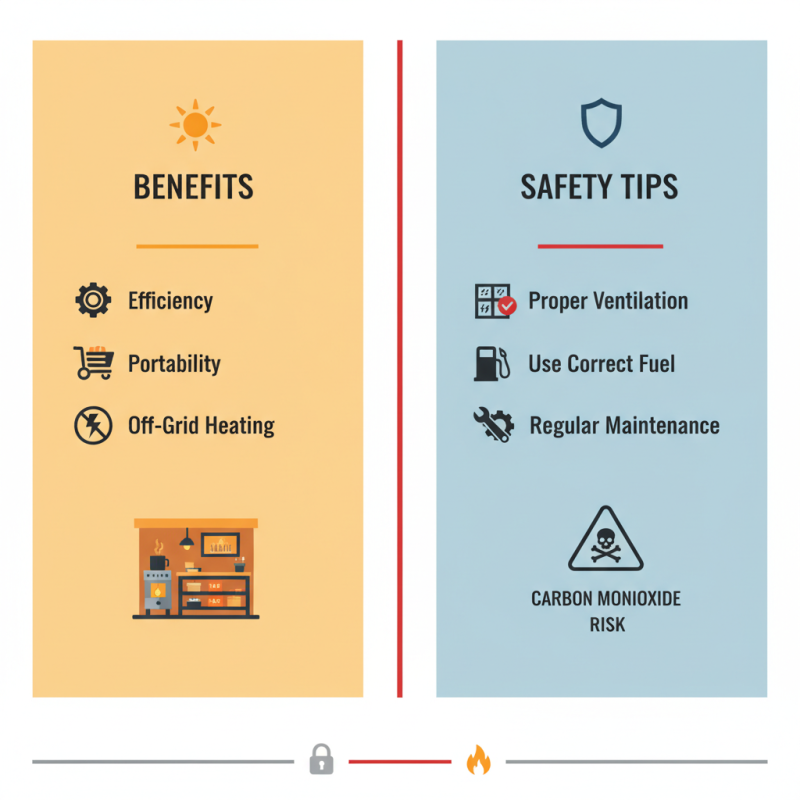
Gasoline Heaters have gained popularity in recent years due to their efficiency and portability. According to the U.S. Department of Energy, these heaters can provide significant heating power, perfect for workshops or outdoor activities. They are particularly favored in areas with limited electricity access. However, with great utility comes the responsibility of safety.
While gasoline heaters can be effective, they do carry risks. The National Fire Protection Association reports that heating equipment is a leading cause of home fires, with 43% occurring in the winter months. Proper ventilation is essential to prevent carbon monoxide buildup, a silent yet dangerous threat. Additionally, using inappropriate fuel or neglecting maintenance can lead to malfunction and accidents.
Understanding both the benefits and safety tips of gasoline heaters is crucial. Ensuring the correct usage can maximize their advantages while minimizing risks. As the demand for these heaters grows, so does the need for education on safe practices. A well-informed user can enjoy the warmth of a gasoline heater without compromising safety.
Gasoline Heater Overview: Types and Their Applications
Gasoline heaters come in various types, each designed for specific applications. Portable gasoline heaters are ideal for camping trips and outdoor events. These compact units provide quick heat and can be easily transported. They're perfect for heating tents or creating warmth during chilly nights. In contrast, stationary gasoline heaters are suitable for garages or workshops. They offer a powerful heating solution for larger spaces, ensuring comfort while working on projects.
Safety is crucial when using gasoline heaters. Proper ventilation is essential to prevent the buildup of harmful fumes. Users must carefully read the instructions before setup. Another common mistake is overloading the power supply, leading to potential hazards. Regular maintenance is necessary as well. This includes checking for leaks and ensuring no debris obstructs the vents. Ignoring these details could result in dangerous situations.
Understanding the different types of gasoline heaters helps users to select the right one for their needs. Whether for recreational activities or workspace heating, knowing their applications is key. However, the responsibility of safe usage starts with the user. Taking the time to ensure all safety precautions are followed can significantly reduce risks associated with gasoline heaters.
Key Benefits of Using Gasoline Heaters in Various Environments
Gasoline heaters offer significant benefits in various environments. They are often more efficient than electric heaters. They can produce heat quickly, making them ideal for outdoor gatherings or construction sites. According to industry reports, gasoline heaters can reach temperatures up to 70% hotter than standard electric heaters.
These heaters are portable and easy to use. A unit weighing just 30 pounds can typically heat an area of 150 square feet effectively. This makes gasoline heaters suitable for camping trips, garages, or even emergency situations. However, they do require careful handling and appropriate venting to ensure safety.
Tip: Always use gasoline heaters in well-ventilated areas to prevent carbon monoxide buildup.
Safety is crucial. On average, around 20,000 emergency room visits are related to gas heating accidents each year. Frequent checks on the heater for leaks can mitigate this risk. It's essential to maintain your equipment properly.
Tip: Keep a fire extinguisher nearby to respond quickly to any mishaps.
In colder environments, using a gasoline heater can enhance comfort levels significantly. Yet, users must weigh the benefits against potential dangers. Awareness is key to safe usage.
Safety Standards and Regulations for Gasoline Heater Compliance
Gasoline heaters can offer convenient warmth, but safety should always come first. Compliance with safety standards is crucial for users. Common regulations include proper ventilation and the use of approved fuels. It's essential to check local guidelines. Facilities should install carbon monoxide detectors and fire extinguishers nearby. This can mitigate risks associated with gasoline heaters.
Regular maintenance is necessary to ensure safety. Inspect the heater regularly for leaks or damage. A small crack can lead to dangerous situations. Users should also be aware of their surroundings. They need to place heaters away from flammable materials. Although gasoline heaters can be effective, they come with inherent risks.
It's easy to overlook safety checks in daily routines. However, neglecting them can have serious consequences. Consider the importance of following regulations. Each step taken to adhere to safety standards can prevent accidents. Prioritize safety and stay informed about compliance requirements.
Essential Safety Tips for Operating Gasoline Heaters Effectively
Gasoline heaters can provide warmth in cold weather. However, safety should always come first. Proper operation is essential to prevent mishaps. Always read the manufacturer's instructions before use. This ensures you understand how the heater functions.
One key tip is ventilation. Using gasoline heaters in poorly ventilated areas is dangerous. It can lead to carbon monoxide buildup. Make sure to open windows or doors while using the heater. Fresh air helps keep you safe. Furthermore, regularly check the heater for leaks or damage. This can prevent fires and ensure efficiency.
Another critical tip is maintenance. Keep your heater clean and serviced. Dust and debris can hinder its operation. Avoid using gasoline near open flames or sparks. Store fuel in approved containers, away from heat sources. Ensure the space around the heater is clear of flammable materials. Being careful now can prevent accidents later.
Maintaining Gasoline Heaters: Best Practices to Ensure Longevity
Maintaining gasoline heaters is essential for their longevity and efficiency. Regular inspections can prevent issues before they escalate. Always check for any signs of wear or damage in hoses and connections. Addressing small leaks promptly can save you money and enhance safety.
Cleaning your gasoline heater is equally important. Dust and grime can accumulate over time, affecting performance. Use a soft cloth to wipe surfaces regularly. Don't forget to clear any obstructions around the heater. This can improve airflow and reduce fire hazards.
It's crucial to follow safety protocols when operating your gasoline heater. Make sure it's in a well-ventilated area to avoid carbon monoxide buildup. Test the carbon monoxide detector in your home periodically. A well-functioning detector can be a lifesaver. Always have a fire extinguisher nearby. Reflect on these practices, and ensure you're prepared for colder months.