
How to Choose 8K Stainless Steel Plate?
An 8k Stainless Steel Plate can make a space feel brighter and more refined, but its mirror-like surface is only part of the decision. Under a showroom light, a plate may look flawless; beside a busy kitchen counter, fingerprints and fine scratches can quickly become visible. Choosing well means matching the finish to its actual setting, not simply selecting the shiniest sample.
“Choose by grade, thickness, finish, and use—not by shine alone.” This is a practical editorial principle, not a verified quotation from a named expert. No source was provided for an expert’s statement, so assigning one to a person would risk misattribution. A reliable buying decision should instead consider the steel grade, plate thickness, polishing consistency, protective film, and available inspection records. Ask the supplier how the finish is measured and whether the delivered plate can be checked against a sample. Small differences in lighting can disguise uneven polishing.
This guide explains how to compare those details before ordering. It also covers common trade-offs, including appearance, cleaning effort, fabrication needs, and cost. An 8k Stainless Steel Plate is not automatically the right choice for every project. A reflective finish can show marks more clearly, and a premium surface may need careful handling during transport and installation. A little skepticism helps. Check the specifications, inspect the surface, and confirm that the plate suits its real environment.
Understand What 8K Stainless Steel Plate Means
How to Choose 8K Stainless Steel Plate?
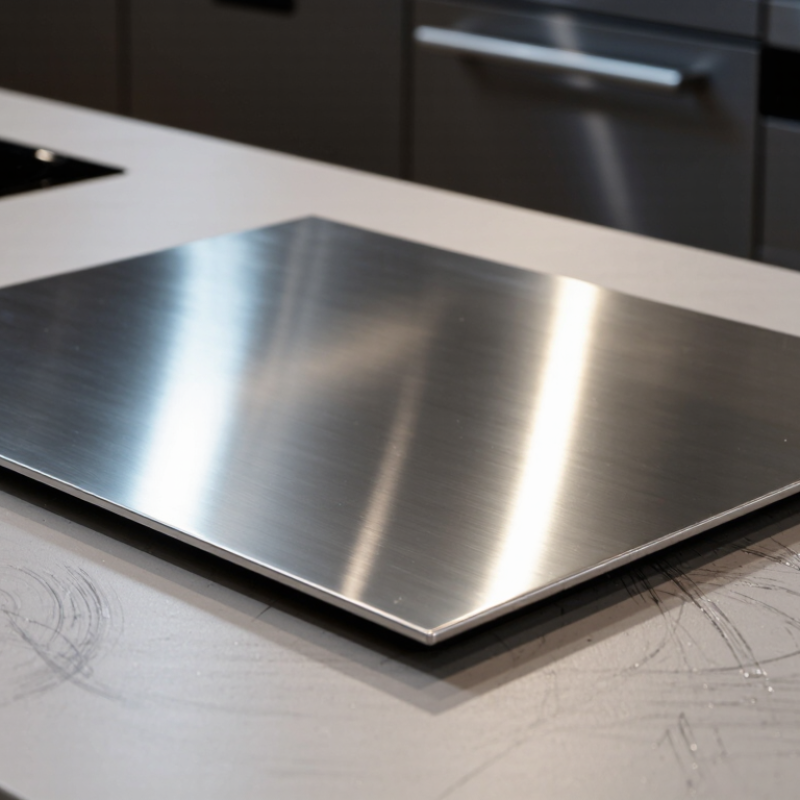
“8K” usually describes a highly polished, mirror-like surface, not the steel’s grade or thickness. The finish is produced through repeated grinding and polishing, which reduces visible surface marks and creates strong reflections. Under bright workshop lights, a plate may look almost like a mirror. It is not necessarily flawless.
The term is widely used in the trade, but appearance can vary between suppliers and production runs. Ask how the surface is finished and request a sample if color, clarity, or gloss matters to your project. Check it under lighting similar to the final installation. Small scratches, waviness, or polishing lines may become more obvious when viewed at an angle. That distinction matters.
An 8K finish does not tell you whether the plate is suitable for a wet, coastal, or high-temperature setting. Confirm the stainless steel grade separately, and consider the environment and cleaning routine. A protective film can help during transport and fabrication, but it should be removed and handled carefully to avoid trapped grit. Even fingerprints show. One detail is easy to overlook: a mirror finish can reflect nearby objects and make uneven surroundings more noticeable. Think about what the finished surface will reflect, not just how it looks on a sample.
How to Choose 8K Stainless Steel Plate? — Understand What 8K Stainless Steel Plate Means
An 8K finish describes a highly reflective, mirror-like surface; it does not specify the stainless steel grade. Compare the substrate’s composition and choose a grade suited to the service environment.
The chart shows typical ASTM A240/A240M composition limits by mass: Type 304 contains 18–20% chromium and 8–10.5% nickel; Type 316 contains 16–18% chromium and 10–14% nickel. These ranges help compare common substrates, but the applicable product specification and environment should guide selection. “8K” describes the surface finish, not a guaranteed roughness value or corrosion rating.
Define the Plate’s Application and Performance Needs
How to Choose 8K Stainless Steel Plate?
Define the Plate’s Application and Performance Needs
Start with the plate’s actual location and job. An 8K finish creates a highly reflective surface, but it does not determine corrosion resistance or strength. A decorative wall panel in a dry lobby faces different demands from a food-processing surface exposed to frequent washing. Specify the environment, cleaning routine, contact with chemicals, and expected service life.
For indoor architectural panels, 304 stainless steel may be suitable in many settings. Where salt or chlorides are present, 316 is often considered, though conditions still matter. The trade-off is easy to miss. Choose thickness based on loads, support spacing, and forming needs—not appearance alone. A thin sheet can look impressive in a sample and still distort across a wide panel.
Inspect the finish under the lighting used at the installation site. Bright reflections reveal scratches, waviness, and fingerprints quickly. Ask for a sample, then check it from several angles. If the plate will be cut or bent, confirm that the protective film and fabrication process suit the finish. Edges can be less forgiving. Review the grade, thickness tolerance, and finish description on the technical documents, and clarify any unclear wording before ordering.
Select the Stainless Steel Grade and Plate Specifications
An 8K finish describes a highly polished, mirror-like surface; it does not identify the stainless steel grade.
Select the grade for the plate’s working environment and fabrication needs. Grade 304 is commonly used for indoor panels and general decorative work. For coastal areas or frequent exposure to chlorides, grade 316 may offer better corrosion resistance. Neither grade is immune to damage. Cleaning methods and trapped moisture still matter.
Confirm thickness, width, length, and dimensional tolerances before ordering. A plate that looks smooth can still bow or show uneven reflections. Ask how flatness is measured, especially for large panels. Check the edges, too. They may need deburring or a specified finish after cutting.
Welding and forming can alter the surface, so confirm whether the plate will arrive finished or require polishing afterward. I would not judge quality from a small sample alone; inspect it under the lighting where it will be installed. Also specify protective film and handling requirements, since fingerprints and fine scratches stand out on mirror finishes. It is easy to focus on the shine and overlook fabrication details.
Evaluate Surface Quality, Finish, and Protective Packaging
How to Choose 8K Stainless Steel Plate?
Evaluate Surface Quality, Finish, and Protective Packaging
An 8K plate should give a clear, mirror-like reflection, not a cloudy image. Inspect it under bright, angled light, then move your head slightly. Scratches, polishing lines, dents, or uneven reflections may appear from one angle only. Check the edges too; rough cuts can damage nearby sheets during handling. A quick glance is not enough.
Ask how the finish is specified, since “8K” alone may not describe every supplier’s inspection criteria. Compare a sample with the delivered sheet under similar lighting. Look for consistent gloss and color across the surface. Wear clean gloves when handling it; fingerprints can obscure fine defects. Small flaws matter.
Packaging protects that finish in transit. Look for intact protective film, clean interleaving, and firm outer support that prevents sheets from rubbing or bending. Check that the film is evenly applied, without trapped grit or lifted corners. It is easy to overlook the packaging until a plate arrives with scuffs. Film can also hide marks, so inspect the surface after careful removal, preferably on a sample first. No check is foolproof, and that is worth remembering.
How to Choose 8K Stainless Steel Plate? - Evaluate Surface Quality, Finish, and Protective Packaging
| Evaluation Dimension | What to Check | Practical Inspection Method | Example Purchase Requirement | Why It Matters |
|---|---|---|---|---|
| Surface uniformity | Consistent mirror appearance across the sheet, without obvious cloudy patches, streaks, or uneven polishing. | View the clean surface under diffuse lighting and inspect from several angles. | Specify uniform appearance across the usable area; define viewing conditions and allowable visual variation in the order. | Uneven polishing can be conspicuous on decorative or reflective applications. |
| Scratches and handling marks | Scratches, scuffs, dents, fingerprints, and other marks on the finished face. | Inspect the full surface before removing any protective film; use agreed lighting and viewing distance. | State whether visible scratches are acceptable and define defect limits, inspection conditions, and the inspected area. | A highly reflective finish makes small surface defects easier to notice. |
| Reflection and image clarity | The sharpness and consistency of reflected lines or objects; confirm the requested 8K appearance with a physical sample. | Compare samples side by side under the same lighting, or use an agreed gloss or image-quality measurement method. | Approve a reference sample and specify any measurement method and acceptance range; do not rely on the “8K” label alone. | “8K” is commonly used as a commercial mirror-finish designation, but it does not by itself define one universal inspection threshold. |
| Polishing lines and direction | Fine polishing marks, their direction, and whether they are consistent across the sheet. | Examine the surface under raking light and compare it with the approved sample. | Specify the required finish appearance and any preferred polishing direction when relevant to the design. | Directional variation can affect the appearance of adjacent panels after installation. |
| Protective film | Film coverage, adhesion, bubbles, trapped particles, edge coverage, and suitability for the intended processing and storage period. | Check film condition on arrival and test removal on a sample if adhesive compatibility is important. | Agree which face is protected, film type, removal expectations, and any exposure or storage limits with the supplier. | Suitable film can reduce abrasion and contamination during handling, transport, and fabrication. |
| Plate dimensions and flatness | Thickness, length, width, squareness, and flatness against the purchase specification. | Measure with suitable calibrated instruments and compare results with the agreed drawing or tolerance standard. | List nominal dimensions and applicable tolerances on the order; confirm measurement locations and reporting requirements. | Dimensional conformity supports fit-up and reduces rework during fabrication. |
| Packaging and edge protection | Non-abrasive interleaving, protected corners and edges, secure bundling, and packaging suitable for the transport route. | Review packaging requirements before dispatch and inspect the outer packing and plate edges on receipt. | Request dry, clean packaging with surface separation and edge protection; specify export or moisture-barrier packing when needed. | The polished face and plate edges can be damaged by movement, impact, moisture, or contact with abrasive materials. |
| Material identification and traceability | Grade, heat or batch identification, dimensions, finish, and accompanying inspection documents. | Match bundle labels and documentation to the purchase order; verify required material certificates are included. | State the required stainless steel grade, certificate type, marking method, and traceability documents in the order. | Clear identification helps confirm the delivered material matches the specified application requirements. |
Note: Acceptance limits should be agreed in the purchase specification and confirmed against an approved sample. “8K” is a commercial finish description, not a universal guarantee of a specific roughness or reflectivity value.
Verify Supplier Standards, Certifications, and Pricing
How to Choose 8K Stainless Steel Plate?
Verify Supplier Standards, Certifications, and Pricing
An 8K plate should have a clear, mirror-like surface, but appearance alone proves little. Ask which stainless grade and inspection standard the supplier uses. Request a current quality-system certificate and check its scope and expiry date. Ask for a mill test certificate linked to the specific heat or production lot. It should show the grade and chemical composition. Ask for evidence.
Compare stated thickness tolerances, flatness, and finish requirements with your application. Certification does not replace product-level records. A sample can help, but confirm how the supplier protects sheets during packing and delivery. Scratches often happen after inspection.
Price quotes need the same scrutiny. Ask suppliers to itemize grade, thickness, dimensions, finish, tolerances, packaging, and freight. A low price may exclude protective film or stricter inspection. Compare like with like. If one quote is vague, ask for a revised breakdown before ordering. Check whether the quoted quantity matches your actual need, since cutting waste and minimum order sizes affect the final cost. Even a careful checklist has limits: a sample may not match every sheet. Agree in writing on acceptance criteria and how any mismatch will be handled.