







How to Choose an Energy Electric Supplier in 2026?
Choosing an Energy Electric supplier in 2026 starts with understanding what you actually pay for. A low advertised rate may apply only for a limited term or under specific conditions. Check the price per kilowatt-hour, monthly fees, contract length, renewal terms, and any early-exit charge. Small print matters. Also confirm whether your address can use the plan, since supplier options and consumer protections vary by location.
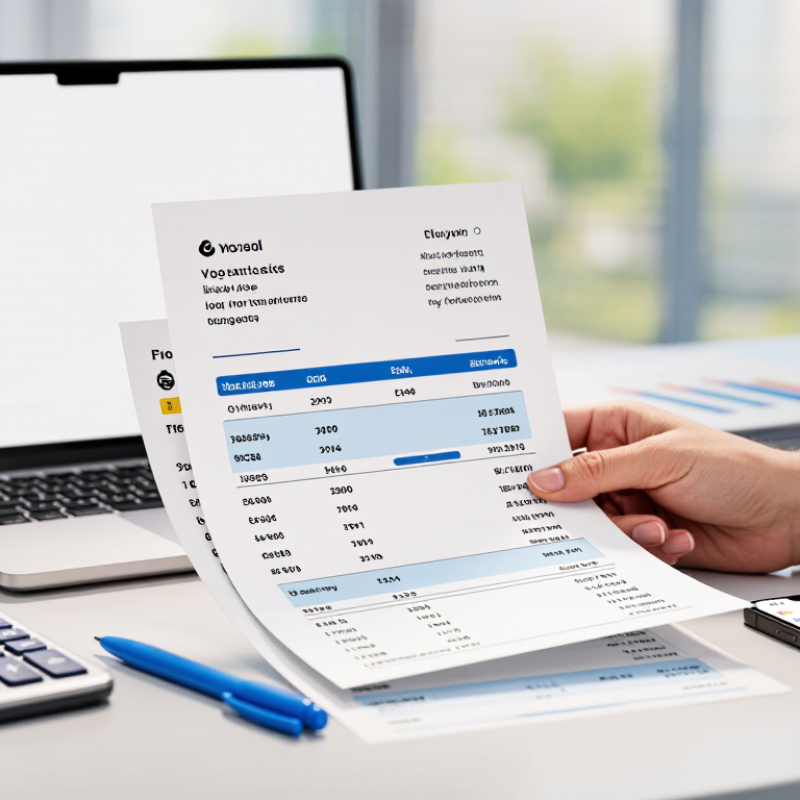
Before comparing offers, review a recent bill and note your monthly usage, not just its total cost. Then compare plans using the same usage estimate; otherwise, a cheap-looking quote may mislead. Fixed-rate plans can make budgeting more predictable, while variable rates may change under the contract’s terms. Neither is automatically best. Look for clear explanations of rate changes, payment requirements, customer support, and renewable-energy claims. Where available, verify offers through official utility or consumer-protection resources, and save a copy of the terms you accepted. Even a careful comparison can miss a detail, especially when fees appear in separate documents. Recheck the final agreement before enrolling. The right supplier is not simply the one with the boldest savings claim; it is the one whose pricing, service, and conditions fit your household’s needs.
Understand How Electricity Suppliers and Energy Plans Work
How to Choose an Energy Electric Supplier in 2026?
An electricity supplier sets the price and terms for the energy you use. In many areas, a separate utility still maintains power lines, reads meters, and responds to outages. Your bill may show both roles, which can make a simple comparison feel less simple. Check who handles supply and who handles delivery in your area.
Energy plans commonly use fixed, variable, or usage-based rates. A fixed rate can make the supply price easier to predict during its stated term, but fees may still affect the total bill. Variable rates can change, so review how often the price adjusts and what drives those changes. Small details matter. Check the contract length, monthly charges, renewal terms, and any cancellation fee before enrolling. Plan descriptions can be vague; the written terms deserve a closer look.
Compare plans using your actual electricity use, measured in kilowatt-hours, rather than a headline rate alone. A winter bill from a heated home may differ sharply from a mild-month bill. Look at several recent bills if available, and note seasonal changes. A spreadsheet helps, though it can miss future rate changes or unusual usage. No estimate is perfect. Choose a plan whose terms you understand and whose costs still make sense when your household uses more power than expected.
How to Choose an Energy Electric Supplier in 2026? — Understand How Electricity Suppliers and Energy Plans Work
| What to Compare | How It Works | What to Check Before Enrolling | Who May Prefer It |
|---|---|---|---|
| Supplier and utility roles | In many areas with retail choice, an electricity supplier sets the supply offer, while the local utility generally maintains poles and wires, delivers electricity, and responds to outages. The exact arrangement depends on the location. | Confirm whether your address has supplier choice, who handles outages, and which charges remain on the utility bill. | Everyone comparing offers; understanding the roles helps prevent confusion about billing and service. |
| Fixed-rate plan | The supply rate is set for a stated term. The rate may be fixed while other bill components, such as delivery charges or taxes, can still change. | Check the contract length, the rate definition, any monthly fee, renewal terms, and early termination fee. | People who value a more predictable supply rate during the contract term. |
| Variable-rate plan | The supply rate can change over time, according to the plan terms. There may be no fixed rate for the full enrollment period. | Find out how often the rate may change, how changes are communicated, whether there is a rate cap, and how to cancel. | People willing to accept rate changes and who regularly review their bills and plan terms. |
| Time-of-use plan | Electricity is priced differently at different times. Rates and peak-hour schedules vary by plan and service area. | Compare the exact peak and off-peak hours, weekday and weekend schedules, seasonal rules, and any separate delivery rates. | Households able to shift substantial electricity use to lower-priced hours. |
| Renewable electricity option | A plan may include renewable electricity or renewable energy certificates, which represent the environmental attributes of renewable generation. The electricity delivered to a home still comes through the shared grid. | Check the stated renewable percentage, how it is supported or verified, and whether it adds a fee. | People who want to support renewable generation and understand how the plan substantiates its claims. |
| Price per kilowatt-hour (kWh) | The supply rate is commonly shown in cents per kWh. The full bill can also include delivery charges, fixed fees, taxes, and other applicable charges. | Compare offers using the same usage level and review the estimated total bill, not only the advertised supply rate. | All customers; comparing equivalent usage makes plan costs easier to assess. |
| Monthly and one-time fees | Some contracts include recurring account fees or enrollment-related charges in addition to the energy rate. | Look for monthly fees, enrollment fees, deposits, payment fees, and any conditions that waive a charge. | Anyone comparing a low advertised rate with the expected total cost. |
| Contract term and renewal | A plan may last for a set period or continue under terms that allow rates to change. Renewal terms can differ from the initial offer. | Note the end date, renewal rate or rate-setting method, required notices, and steps for switching or ending service. | Customers who want to avoid unexpected changes when an introductory term ends. |
| Early termination and cancellation | Some fixed-term contracts charge a fee for ending service early; others may not. Rules and exceptions depend on the contract and local requirements. | Read the fee amount, when it applies, any move-related exception, and the cancellation procedure before signing. | People who may move, change plans, or want flexibility during the contract term. |
| Estimated monthly cost | Usage has a major effect on the bill. A plan that looks inexpensive at one usage level may cost more at another, especially if it includes usage thresholds or fixed fees. | Use recent bills or meter data to compare estimates at low, typical, and high usage, where available. | Households with seasonal usage changes or plans that include usage-based conditions. |
| Plan disclosure and contract documents | Offer labels, fact sheets, and contract documents explain rates, fees, term length, and other material conditions. Document names vary by jurisdiction. | Read the current disclosure and full contract; confirm that the offer is available for your service address and meter type. | Every customer before enrollment, especially when comparing online offers. |
| Supplier reliability and customer support | Service rules, complaint processes, and supplier eligibility are determined by local regulators or other authorities. The local utility typically remains responsible for physical delivery in choice markets. | Check the supplier’s authorization where applicable, customer support channels, complaint information, and billing arrangements. | Customers who value clear billing, accessible support, and verified eligibility to serve their area. |
Note: Electricity choice, plan availability, billing arrangements, consumer protections, and rate structures vary by location. Verify the current offer and applicable rules for your service address before enrolling.
Related Posts
-

7 Compelling Reasons to Choose the Best Rubber Cable for Your Industry Needs
-

Top Medium Voltage Cable Trends for 2026 Where to Buy?
-
Why Are Solar Cables Essential for Efficient Solar Energy Systems?
-
The Ultimate Guide to Sourcing the Best Electric Cable Wire for Your Business Needs
-

Navigating Industry Production Standards Challenges for Best Medium Voltage Cable
-

Top 10 High Voltage Cable Types for Global Buyers?