How to Implement a Print Flaw Detection System in 2026?
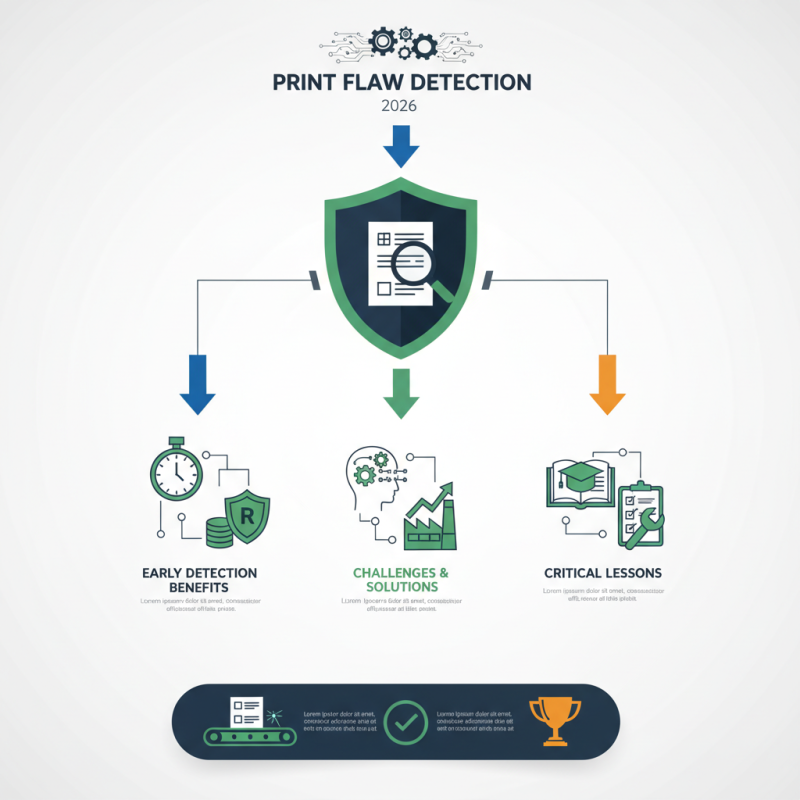
In the fast-evolving world of printing technology, implementing a Print Flaw Detection System is essential. Experts in the field emphasize this urgency. Dr. Emily Lawson, a leading figure in print quality technology, recently stated, "Detecting flaws early can save time, money, and reputation."
Designing an efficient Print Flaw Detection System poses unique challenges. Companies face constant pressure to improve quality while reducing costs. Using advanced software and sensors can help identify defects. However, integrating new technologies can be daunting. Many firms struggle with the workforce's adaptation to these innovations.
Reflecting on past implementations can uncover critical lessons. Inadequate training often leads to system failures. Some industries have overlooked comprehensive testing phases, resulting in unexpected issues. Therefore, understanding the intricacies of a Print Flaw Detection System is vital. With the right approach, companies can ensure their printing processes remain competitive and high-quality.
Overview of Print Flaw Detection Technologies in 2026
In 2026, print flaw detection technologies have evolved significantly. Advanced imaging systems are now capable of capturing high-resolution details in real time. These systems often use a combination of optical sensors and machine learning algorithms. They analyze print quality and identify defects almost instantly. This rapid assessment helps in reducing wastage.
While technology has improved, challenges still exist. Variability in materials can affect detection accuracy. Certain defects may go unnoticed due to lighting conditions or surface textures. This raises questions about reliability. Continuous training of the machine learning models is necessary to adapt to these changes. Regular updates are essential, yet they can be resource-intensive.
Furthermore, integrating these systems into existing workflows may not be straightforward. Operators need to be trained to effectively utilize these technologies. There is always a learning curve, and resistance to change can hinder progress. Addressing these human factors is just as important as the technology itself.
Key Components of a Print Flaw Detection System
Implementing a print flaw detection system involves several key components. The core elements include high-resolution cameras, image processing software, and robust algorithms. Cameras capture the printed material at different angles. This helps identify flaws effectively. Image processing software analyzes the data from the cameras. It focuses on aspects such as color consistency, alignment, and print density.
When selecting cameras, think about resolution and speed. High-resolution cameras can catch minute details. However, they might slow down the process. So, balance is essential. Choose software that can integrate seamlessly with hardware. Compatibility is crucial to avoid future problems.
Tips: Regular calibration of equipment is necessary to maintain accuracy. Scheduled maintenance can prevent performance dips. Always review the data to improve detection algorithms. Collecting feedback from staff can guide software updates. Implementing user-friendly interfaces can help operators navigate the system easily.
The effectiveness of the system relies on human oversight. Automated systems can miss nuanced flaws. Always involve trained personnel to review outputs. Their expertise can spot issues that technology may overlook. Remember, no system is perfect. Evaluate your processes regularly and adapt as needed.
Print Flaw Detection System Data
This chart displays the number of detected print flaws across the first half of 2026. Each month showcases varying levels of detected flaws, indicating the performance of the print flaw detection system in real time, highlighting the importance of continuous monitoring and improvement strategies.
Steps to Integrate Detection System into Existing Workflows
Implementing a print flaw detection system in 2026 involves carefully integrating it into existing workflows. Reports indicate that 30% of printing defects come from operator errors and process limitations. This suggests a need for robust training and system integration.
Detection systems should use real-time data analytics. The integration phase might take more time than anticipated. It is essential to assess current workflow processes before implementing new technology. Consider potential disruptions during this phase, as employees adapt to new systems. Studies show that streamlined workflows can reduce errors by up to 25%. However, this requires careful planning and consideration of existing practices.
Remember that human factors play a significant role. Employees may resist changes, citing comfort in familiar methods. Creating a feedback loop can help ease this transition. Encourage operators to share their experiences with the new system. This can reveal unexpected challenges and areas for improvement. A successful integration focuses not only on technology, but also on the people using it.
Testing and Calibration Procedures for Optimal Performance
Implementing a print flaw detection system in 2026 requires rigorous testing and calibration procedures. These steps ensure optimal performance and enhance product quality. Initial testing should focus on various print materials. Diverse inks and paper types can yield different results. Regular assessments help identify patterns in flaws.
Calibration is crucial for maintaining accuracy. Consider using specialized tools for this purpose. Ensure they are frequently checked for reliability. Sometimes, adjustments may appear minor but can significantly impact outcomes. Pay attention to environmental factors like humidity and temperature too. They can affect print quality in unexpected ways.
Reflecting on past implementations can provide valuable insights. Mistakes are learning opportunities. For example, a test might show a recurring flaw. Investigating its root cause is essential. Adjustments may be needed in the detection algorithms or equipment settings. Each flaw exposed provides a chance to refine the system further. Emphasizing continuous improvement is key to a successful print flaw detection system.
Future Trends in Print Quality Assurance and Technology Integration
In 2026, print quality assurance will evolve significantly. New technologies will integrate Artificial Intelligence (AI) and machine learning. A report states that 75% of leading industries are exploring AI for defect detection. This shift aims to minimize human error and improve product consistency.
Emerging trends indicate a rise in automated systems. These systems will analyze print patterns in real time. A study found that 60% of companies believe automated quality checks will enhance customer satisfaction. However, implementing these systems poses challenges. Not all printing environments can adapt quickly to technological changes. Training staff to use new tools effectively will be essential yet difficult.
Another crucial aspect is the environmental impact. Eco-friendly materials and processes are becoming standard. Yet, the transition can disrupt existing workflows. Print companies need to reassess their practices continually. Balancing innovation with sustainability will be more imperative than ever. These considerations highlight the complexities of evolving print quality assurance.
How to Implement a Print Flaw Detection System in 2026? - Future Trends in Print Quality Assurance and Technology Integration
| Dimension | Current Trend | Future Projections (2026) | Technological Integration |
| Automated Monitoring | Increasing use of IoT sensors | Widespread adoption of AI for real-time data analysis | Integration with cloud computing for data storage |
| Image Recognition | Use of basic pattern recognition | Advanced machine learning algorithms for defect detection | Integration with visual inspection systems |
| Data Analytics | Basic statistical analysis of defects | Predictive analytics to foresee potential defects | Real-time dashboards for visualizing print quality |
| Integration with Production Systems | Limited integration with existing workflows | Full integration with ERP and MES for streamlined operations | Seamless data sharing across platforms |
| Quality Standards | Unclear or non-standardized metrics | Standardization of quality metrics across the industry | Collaboration with industry bodies for best practices |