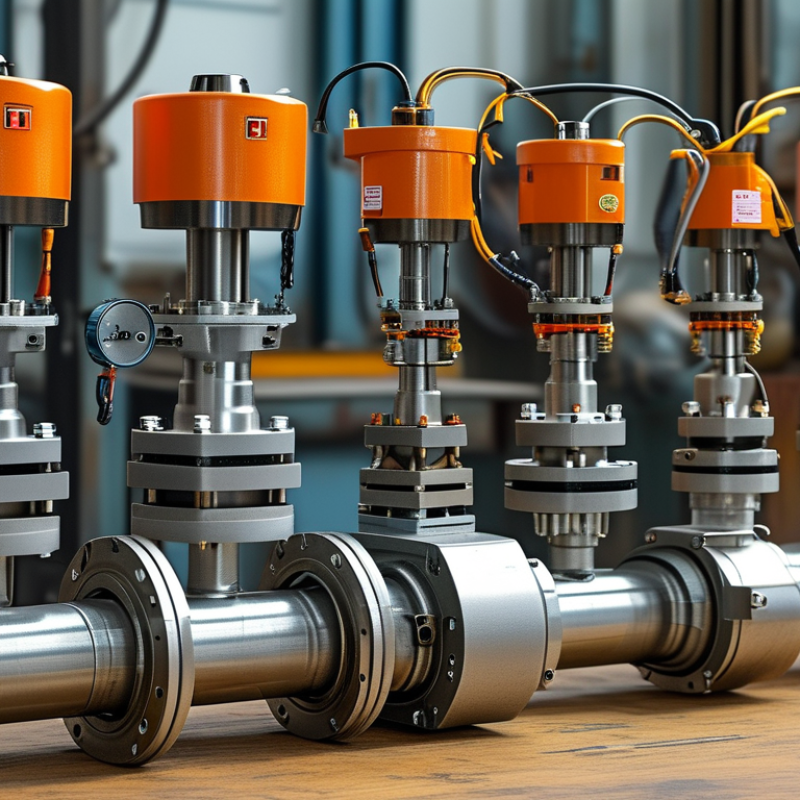
What is Pneumatic Equipment and How Does It Work?
Pneumatic Equipment plays a crucial role in various industries. This technology uses compressed air to facilitate movement and control. According to Dr. Jane Smith, a leading expert in pneumatic systems, "Effective use of pneumatic equipment can greatly enhance operational efficiency."
Air-driven tools, actuators, and valves are common components. These devices convert compressed air into mechanical force. This process is highly efficient but not without its drawbacks. Leaks can lead to significant energy wastage. Additionally, proper maintenance is essential for optimal performance.
Understanding pneumatic equipment is vital for engineers and operators. Knowledge about its function enhances safety and productivity. Issues can arise if inadequate training occurs. Therefore, investing in knowledgeable staff is essential. Exploring the intricacies of pneumatic systems can lead to better practices and innovations.
Definition of Pneumatic Equipment and Its Components
Pneumatic equipment operates using compressed air to generate mechanical motion. This technology has become essential in various industries, from manufacturing to construction. The core components of pneumatic systems include compressors, actuators, and valves. Each plays a vital role in ensuring efficiency and performance.
Compressors are responsible for converting electrical energy into compressed air. This air is then stored in tanks, ready for use. Actuators, such as cylinders and diaphragm pumps, convert air pressure into mechanical movement. Valves manage the flow of air, controlling the system's operation.
While pneumatic systems are efficient, they are not without flaws. Leakage in the system can lead to energy loss. Regular maintenance is needed to ensure reliability. Measuring performance can be challenging; operators must remain vigilant. Understanding these elements helps optimize pneumatic equipment use, enhancing productivity in various applications.
Pneumatic Equipment Usage in Various Industries
This bar chart illustrates the percentage of pneumatic equipment usage across various industries, highlighting its significant application in manufacturing and construction sectors.
Basic Principles of Pneumatic System Operation
Pneumatic systems utilize compressed air to create movement and power. These systems operate based on fundamental principles of fluid mechanics. The core concept is simple: compressing air increases its energy. This energy can activate machinery and perform work.
Air enters a compressor, which compresses it to a high pressure. The compressed air is then stored in a reservoir. As needed, this air flows through pipes to various pneumatic tools or cylinders. When the air reaches these devices, it pushes against a diaphragm or piston, causing movement. The basic motion involves linear or rotary actions driven by the release of compressed air.
Understanding the basics is crucial. Problems often arise when systems aren't maintained. Leaks in pipes can lead to inefficiencies. A user might overlook these issues, thinking everything functions well. However, small leaks can result in significant energy loss. Recognizing and addressing these concerns can improve system performance and reliability.
What is Pneumatic Equipment and How Does It Work? - Basic Principles of Pneumatic System Operation
| Component | Function | Typical Use | Operating Principle |
| Compressor | Generates compressed air | Industrial automation | Intakes and compresses air |
| Actuator | Converts air pressure to mechanical motion | Robotic arms | Moves in response to air pressure changes |
| Valves | Control air flow and pressure | Control systems in various machinery | Regulate air passage to actuators |
| Filters | Remove impurities from compressed air | Protecting cylinders and valves | Traps particles and moisture |
| Regulators | Maintain desired pressure levels | Consistent performance in tools | Adjust downstream air pressure |
Types of Pneumatic Equipment and Their Applications
Pneumatic equipment is vital across various industries. The range of available equipment is vast, each serving unique purposes. Some common types include air compressors, pneumatic actuators, and valves. Air compressors create compressed air, powering tools and machinery in manufacturing and construction. According to a report by IHS Markit, the pneumatic equipment market is expected to grow at a CAGR of over 5% in the next five years.
Pneumatic actuators convert compressed air into mechanical motion. They are used in robotics, packaging, and assembly lines. These actuators are efficient, providing precise movement without the complexities of electrical systems. However, their reliance on air quality can pose potential challenges. Contaminated air can reduce operational efficiency, leading to increased maintenance and downtime.
Valves control the flow of air within pneumatic systems. They are integral to ensuring proper functioning and safety. Various types of valves, like flow control and directional control valves, cater to different needs. Despite their critical role, users often overlook regular maintenance. Neglecting this can lead to system inefficiencies. In a competitive landscape, understanding these elements becomes essential for maximizing productivity.
Advantages and Disadvantages of Using Pneumatic Equipment
Pneumatic equipment is widely utilized across various industries for its efficiency and reliability. However, like any technology, it has both advantages and disadvantages.
One significant advantage of pneumatic systems is their versatility. They can operate in extreme environments, handling high temperatures and humidity. According to the International Society for Automation, pneumatic systems can boast up to a 90% energy efficiency in specific applications. Moreover, they are lightweight and easy to maintain, making them suitable for many tasks. However, the compressed air may require considerable energy to produce, which can lead to higher operational costs.
On the downside, pneumatic systems often suffer from energy loss due to leaks. Reports suggest that up to 30% of energy can be wasted through poorly maintained systems. This inefficiency can substantially impact long-term cost-effectiveness. Furthermore, the force generated by pneumatic tools may be less than that of electric tools in certain applications, limiting their use in heavy-duty tasks.
Tip: Regular maintenance of pneumatic equipment is vital. Checking for leaks can save energy costs significantly. Also, consider the specific applications to determine if pneumatic is the best choice.
Another point to reflect on is the noise generated by pneumatic tools. They can be quite loud, potentially leading to workplace safety concerns. Noise reduction measures are essential to protect workers’ hearing while using these systems.
Maintenance and Safety Considerations for Pneumatic Systems
Pneumatic systems power machinery using compressed air. They are efficient but require regular maintenance to function optimally. Neglecting maintenance can lead to decreased performance and potential hazards. Regular inspections are crucial. Check for air leaks and ensure connections are secure. This can prevent unnecessary energy loss and increase efficiency.
Safety is paramount when working with pneumatic equipment. Always wear appropriate personal protective equipment. Air pressure can be dangerous if released suddenly. Understanding how to operate these systems safely is essential. Implement safety protocols to prevent workplace accidents. Also, train staff on proper handling and emergency procedures.
Consider potential risks like over-pressurization. Too much pressure can cause components to fail violently. Regularly calibrate pressure regulators and gauges to avoid this issue. Document maintenance actions and keep logs for reference. This process enhances accountability and ensures compliance with safety standards. Balancing efficiency and safety in pneumatic systems requires diligence and attention to detail.