What Is a Steering Cylinder and How Does It Work?
A Steering Cylinder is a crucial component in hydraulic steering systems. It converts hydraulic pressure into linear motion, steering the vehicle effectively. According to Dr. Michael Moreau, an expert in automotive engineering, “The steering cylinder is where precision meets power in vehicle control.” This device allows drivers to maneuver their vehicles with ease and accuracy.
When you turn the steering wheel, hydraulic fluid flows into the cylinder. This action pushes the piston inside, which then turns the wheels. The steering cylinder must withstand high pressures, making its design essential for safety. If it fails, the steering becomes unreliable. Issues like leaks or wear can lead to severe driving challenges.
In practice, many drivers overlook the importance of the steering cylinder. Ignorance can lead to safety risks. Regular maintenance is key to ensuring the steering cylinder functions optimally. Reflections on its design can inspire better innovations. It's not just about movement; it's about control and safety on the road.
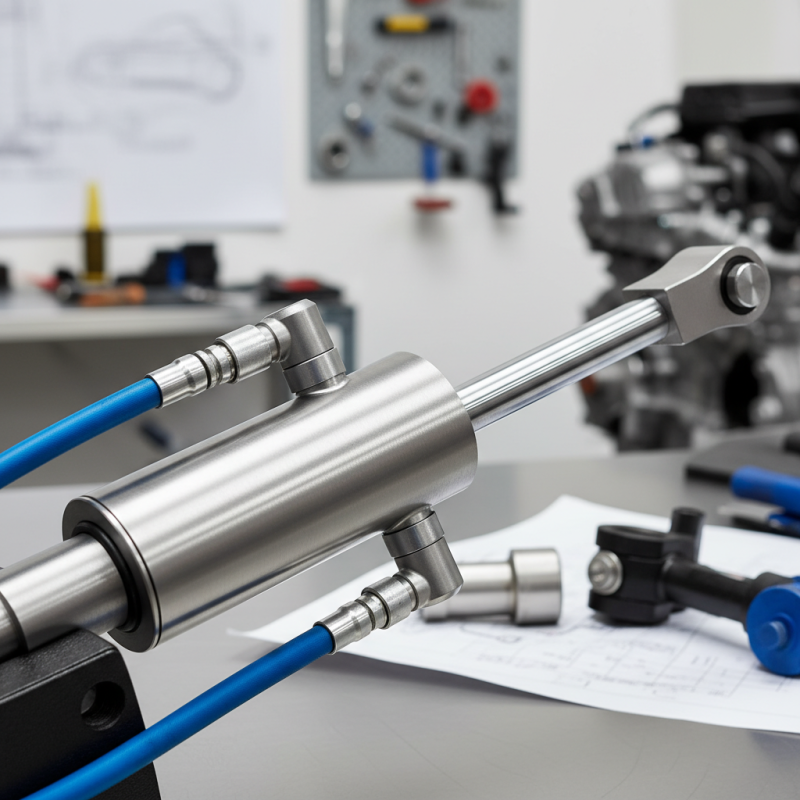
Definition of a Steering Cylinder and Its Purpose in Vehicles
A steering cylinder is a crucial component in vehicle steering systems. Its main purpose is to convert rotational motion into linear motion. This mechanism plays a vital role in ensuring that drivers can steer their vehicles smoothly and accurately. Typically, this cylinder is part of a hydraulic steering system. It helps in diminishing the physical effort required to turn the steering wheel.
When the driver turns the wheel, fluid moves through the steering cylinder. This movement pushes the piston, which in turn provides the necessary force to turn the vehicle's wheels. If the steering cylinder fails, it significantly impairs maneuverability. Drivers may find it challenging to control the vehicle, particularly at low speeds. Regular maintenance helps prevent such issues, but many overlook it.
Sometimes, the fluid leaks or becomes contaminated, affecting performance. Drivers might not notice small issues until they turn into major problems. This reality emphasizes the importance of staying vigilant. A well-maintained steering cylinder ensures a safe driving experience. But not everyone takes the time to check their vehicles regularly, which can lead to dangerous situations.
Steering Cylinder Functionality Analysis
This bar chart illustrates the performance metrics of a steering cylinder, showcasing the force applied, pressure levels, and response time. The values represent typical operational parameters essential for effective steering function.
Components of a Steering Cylinder and Their Functions
A steering cylinder plays a crucial role in vehicle control. It consists of several components working in unison. The main components include the housing, piston, seals, and ports. Each part has a specific function that contributes to smooth steering.
The housing is the outer shell that contains all parts. It must withstand high pressure during operation. The piston moves inside the housing, converting hydraulic pressure into mechanical force. This action directly influences the vehicle's steering capability. Seals prevent fluid leaks. They are vital for maintaining pressure and ensuring efficiency. Ports allow fluid in and out. Their design affects steering responsiveness.
Tips: Regular maintenance is essential. Check for leaks around seals. Inspect the fluid levels frequently as well. Use the right hydraulic fluid type to avoid damage.
Understanding these components helps in recognizing issues early. If something feels off while steering, it could be a sign of trouble. Pay attention to unusual noises or resistance when turning. Neglecting these signs can lead to bigger problems down the road.
Mechanism of Action: How Steering Cylinders Operate
A steering cylinder is a crucial component in many vehicles and machinery. It plays a vital role in controlling direction. Understanding its operation helps in grasping how steering systems function.
The mechanism of action involves hydraulic pressure. When you turn the steering wheel, fluid is forced into the cylinder. This creates a movement that translates to the wheels. The cylinder pushes the steering linkage, allowing the vehicle to turn smoothly. The design is simple yet effective, enhancing control and precision.
However, issues can arise. Leaks in the system can reduce effectiveness. A damaged cylinder may lead to poor steering response. Regular maintenance is essential to avoid such problems. Checking for fluid levels and inspecting the cylinder's condition can prevent costly repairs later. The mechanical simplicity of the steering cylinder offers reliability, but attention to detail is crucial.
What Is a Steering Cylinder and How Does It Work?
| Dimension | Value |
| Cylinder Diameter | 50 mm |
| Stroke Length | 200 mm |
| Working Pressure | 150 bar |
| Fluid Type | Hydraulic Oil |
| Mounting Type | Front and Rear |
| Cycle Life | 1,000,000 cycles |
| Temperature Range | -20°C to 80°C |
| Weight | 4 kg |
| Application | Automotive Steering Systems |
Common Applications of Steering Cylinders in Automotive Systems
Steering cylinders play a crucial role in automotive systems. They provide the necessary force to turn the wheels. When a driver turns the steering wheel, the cylinder activates, helping to steer the vehicle. These components are found in various applications, particularly in power steering systems.
In modern vehicles, steering cylinders are often hydraulic. They amplify the driver's input, making steering easier. Additionally, electric steering systems use cylinders to provide precise control. This enhances driver comfort and vehicle handling.
Tips: Regular maintenance is key. Check fluid levels often. Low fluid can reduce the effectiveness of the steering cylinder. Look for leaks too. They can indicate potential problems.
Another common application is heavy-duty trucks. These vehicles require robust steering systems. The steering cylinder must handle greater loads and stresses. Incorrect installation can lead to failures, so attention to detail is essential.
Tips: Always refer to service manuals during installation. Every model has specific requirements. Ignoring them can lead to costly mistakes.
Maintenance and Troubleshooting Tips for Steering Cylinders
Steering cylinders play a crucial role in the functionality of heavy machinery, such as forklifts and excavators. Regular maintenance is vital to ensure their longevity and optimal performance. A report by the International Journal of Mechanical Engineering highlights that nearly 25% of hydraulic system failures result from inadequate maintenance of components like steering cylinders.
Routine inspections can help identify small leaks or unusual noises. Neglecting these signs can lead to larger issues. For instance, a minor leak may escalate into significant hydraulic fluid loss, impacting steering accuracy and safety. Technicians recommend checking fluid levels and conditions monthly. Additionally, visual inspections should focus on the cylinder shaft for wear and tear.
When troubleshooting, operators should listen for odd sounds during operation. Unusual sounds could indicate internal damage or air in the system. Address these problems immediately to prevent costly repairs. Use diagnostic tools to monitor pressure levels. Reports suggest that maintaining optimal pressure can reduce wear by up to 30%. Ignoring these parameters can shorten the cylinder's lifespan significantly. Regular maintenance keeps operations smooth and enhances safety.