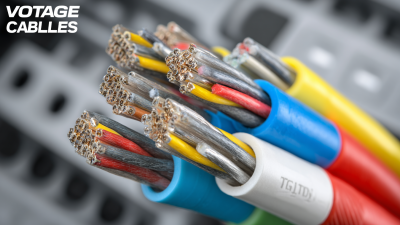





10 Tips for Choosing the Right Cable Electric Wire

Choosing the right Cable Electric Wire is not simply a matter of selecting the thickest option. The correct choice depends on load, length, insulation, installation location, and expected temperature.

A cable may look strong, yet fail under continuous heat. A shiny jacket proves very little. Check the printed markings, conductor material, cross-sectional area, voltage rating, and manufacturer’s technical sheet. Copper and aluminum behave differently, especially across long runs. Voltage drop can become noticeable when a motor starts or several appliances operate together. Moisture, sunlight, vibration, and tight bends also affect service life. Small details matter.

This guide presents 10 practical tips for making a safer, more informed decision. It reflects common advice used by qualified electricians, manufacturers, and electrical inspectors. Reliable product documentation should guide the final selection, not color, price, or attractive packaging. Always match the cable with the equipment and the installation environment. Local requirements may also influence acceptable products and installation methods.

Do not rush it.

One imperfect habit deserves attention: many buyers focus on current capacity while ignoring future expansion. That shortcut may create unnecessary replacement work later. A careful inspection of the route, terminals, protective devices, and expected workload can prevent costly mistakes. For example, a cable feeding a workshop should be reviewed differently from one serving a small indoor lamp. The ten tips ahead will help compare options logically, recognize misleading claims, and choose a Cable Electric Wire that offers dependable performance rather than temporary convenience.
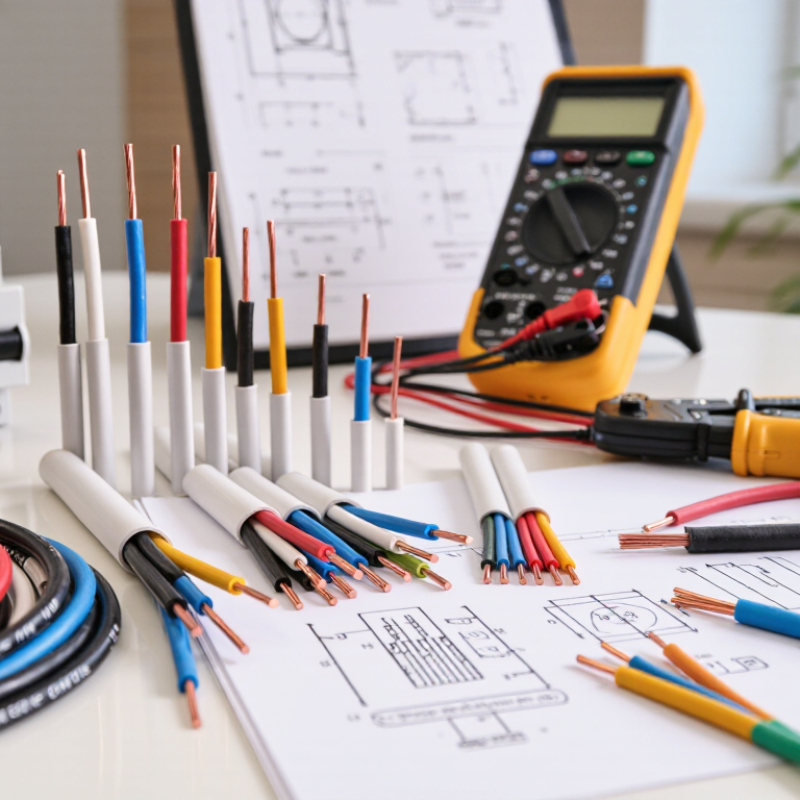
10 Tips for Choosing the Right Cable Electric Wire

Understanding Cable and Electric Wire Types

Understanding Cable and Electric Wire Types

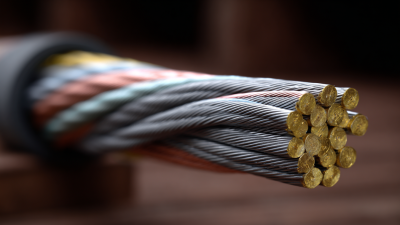
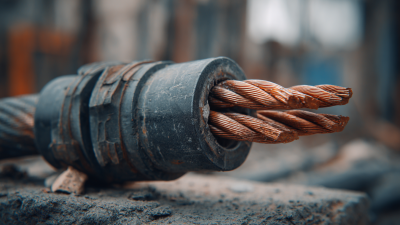
A wire usually has one conductor, while a cable combines two or more insulated conductors. The difference matters during selection and installation. Solid wire holds its shape and suits fixed circuits inside walls. Stranded wire bends easily and works better in appliances, control panels, and moving equipment. Copper carries current efficiently, while aluminum is lighter but needs careful terminal preparation. I once underestimated how much heat a crowded junction box could retain. That mistake changed how I check conductor size and ventilation.

Tip Match the wire gauge with the expected current, not only the appliance label. A thicker conductor is not automatically safer. The insulation must also match the voltage, temperature, moisture, and movement around it. PVC insulation may suit ordinary indoor wiring, but damp or hot locations require a suitable rated type. Flexible cords should not replace fixed wiring without approval. Check the printed markings carefully.

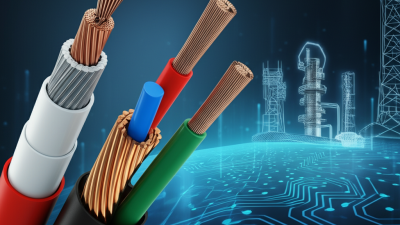
Tip Identify the circuit before choosing the cable. AC power cables, low-voltage control wires, data cables, and grounding conductors serve different purposes. Their colors can vary by region, so never trust color alone. Read the rating, conductor material, insulation class, and installation instructions. Local electrical codes remain the final authority. When the route passes through metal, vibration, or outdoor spaces, protective conduit may be necessary. I still review my assumptions twice; cable names can sound simple, but their limits are not.

Matching Wire Size to Current and Voltage Requirements

10 Tips for Choosing the Right Cable Electric Wire

Matching wire size to current and voltage requirements starts with the load. Calculate the design current, not only the equipment’s average reading. Under NEC practice, continuous loads are commonly calculated at 125% of their rated current. Then check the conductor’s ampacity after applying temperature, bundling, installation, and insulation corrections. IEC 60287 also requires thermal conditions and installation methods in cable calculations. A thicker wire may be necessary.

Voltage drop matters over distance. A circuit can carry its rated current yet deliver weak voltage at the equipment. Common NEC design guidance suggests about 3% drop on a branch circuit and 5% across the feeder and branch combination. For example, a 24-volt circuit feeding a motor over 30 metres loses voltage quickly with undersized conductors. Measure the route length, including the return path. Shorter is not always safer.

The IEA’s Electricity 2024 report forecasts global electricity demand growth of about 3.4% annually through 2026. More connected equipment means more crowded cable routes. Copper or aluminium selection also changes resistance, termination methods, and allowable current. The wrong assumption here is costly. Field inspections often find wires sized for normal operation, not startup current or hot enclosures. Recheck both conditions. Local codes, certified tables, and a qualified electrician should control the final selection.

Choosing Suitable Insulation and Environmental Protection

Choosing suitable insulation is often more important than selecting a cable by appearance.

In field inspections, I have seen clean-looking wires fail because moisture entered a small cut. The installation environment should guide every choice. Indoor wiring may use PVC insulation where temperatures and chemical exposure remain moderate. For higher heat, cross-linked insulation can offer better thermal stability. Flexible elastomeric insulation suits cables that move repeatedly, such as workshop equipment.

Check more than the temperature rating.

Confirm voltage limits, flame behavior, abrasion resistance, and resistance to oils or cleaning chemicals. Outdoor cables need protection against sunlight, rain, and repeated temperature changes. A jacket rated for ultraviolet exposure helps prevent cracking. In damp areas, sealed connections and suitable water-resistant construction matter as much as the insulation itself. I once overlooked condensation near a cold storage room. That shortcut created unnecessary troubleshooting later.

Environmental protection also includes material responsibility.

Halogen-free insulation may reduce corrosive smoke during a fire, but its performance must match the application. Do not assume one material is automatically safer. Review test reports, installation instructions, and applicable electrical standards before purchase. A cable buried underground needs mechanical protection and a clear moisture strategy. A cable beside a motor may require stronger flexibility and abrasion resistance. Small details matter. My own early selections were sometimes too general, especially when site conditions changed after installation. Rechecking the cable against actual heat, movement, moisture, and chemical exposure is a practical habit.

Checking Safety Standards, Ratings, and Product Quality

10 Tips for Choosing the Right Cable Electric Wire

Checking safety standards, ratings, and product quality should guide every cable purchase. Start by identifying the required voltage, current, temperature range, and installation environment. A cable for a dry indoor wall differs from one exposed to moisture, sunlight, or mechanical stress. Check the conductor material, cross-sectional area, insulation type, and maximum operating temperature. Never judge quality by thickness alone.

Look for clear markings showing the standard, voltage rating, wire size, manufacturing date, and testing information. Requirements vary by country, so consult current electrical regulations and a qualified electrician. Certification should come from a recognized testing body, not only from a printed logo. Inspect the cable physically. The insulation should feel even, without cracks, bubbles, sharp edges, or a strong chemical odor. The conductor should be clean and firmly connected. Cheap packaging can hide expensive risks.

Ask for technical data, traceable batch details, and a suitable warranty. Compare the stated resistance and load capacity with independent test results when available. Do not rely on color coding alone. I have seen neat labels placed on poorly finished products, so appearance is never enough. That is worth remembering. If a supplier avoids basic questions, pause before buying. A small sample inspection can reveal uneven insulation, loose strands, or incorrect dimensions. Choosing carefully may take longer, but replacing overheated wiring costs far more.

Comparing Installation Needs, Cost, and Long-Term Reliability

Choosing the right cable electric wire starts with installation needs, not the price tag. Check voltage, current, cable length, and expected load before selecting a size. Also examine wall cavities, conduits, moisture, heat, and available bending space. A wire suitable for a dry room may fail inside a damp exterior route. Long runs need careful voltage-drop calculations. Small details matter.

Cost involves more than the purchase invoice. A cheaper cable may require larger conduits, extra supports, or earlier replacement. Compare material cost with labor, preparation, testing, and future access. Buying more capacity can prevent expensive rewiring later. Still, oversizing every circuit wastes money. That judgment is not always easy.

Long-term reliability depends on insulation quality, correct terminations, and disciplined installation. Use cables with clear markings and documentation from recognized testing authorities. A qualified electrician should verify sizing, protection, routing, and local code compliance. Keep records of test results and circuit locations. Loose connections often create heat before visible damage appears. Regular inspections help, especially in workshops or humid buildings. One honest limitation remains: no cable compensates for poor workmanship. I would rather question an attractive low quote than trust it blindly. Sometimes, the careful choice is less convenient.