Top 10 Benefits of Using an Isolation Switch for Safety
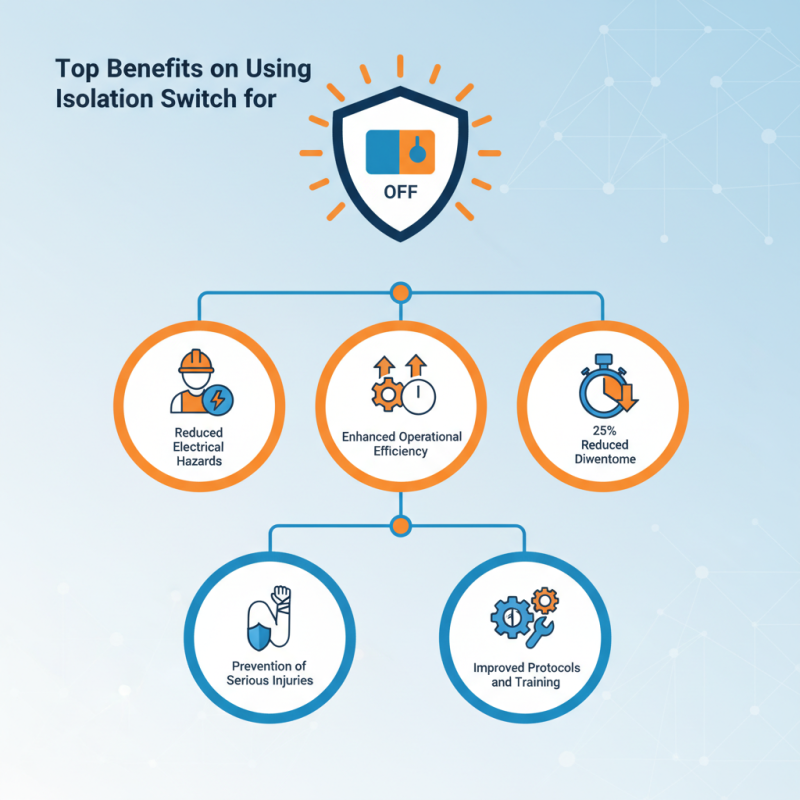
Isolation Switches are crucial in ensuring safety across various industries. In 2022, reports indicated that electrical hazards accounted for 9% of workplace fatalities. An isolation switch provides a visual and physical method to disconnect power, reducing risks associated with accidental energization.
The use of an isolation switch can enhance operational efficiency. According to experts, facilities using these switches reported a 25% reduction in downtime related to electrical maintenance. This benefit underscores the importance of incorporating isolation switches into standard safety protocols. Despite their advantages, some facilities overlook them. Employees must understand the operational guidelines and potential hazards.
Incorporating isolation switches can prevent serious injuries but requires careful planning. Regular training sessions and drills are essential. The human factor remains critical, as improper use can lead to accidents. Organizations must continuously assess their safety measures. An isolation switch is not just a tool but a necessary practice for a safer workplace.
Definition and Purpose of Isolation Switches in Electrical Systems
Isolation switches play a pivotal role in enhancing safety within electrical systems. They serve as crucial devices that disconnect power, thereby preventing accidents during maintenance. These switches ensure that no electricity flows through the circuits when repairs are being made. Their primary purpose is to protect both and equipment from potential hazards.
In practice, isolation switches are often found in industrial settings and commercial buildings. Their presence allows workers to confidently perform tasks without the fear of unexpected electrical surges. Sometimes, these switches may be overlooked or insecurely operated. This can lead to dangerous situations. Regular checks and clear labeling can mitigate such risks.
Improper use of isolation switches can result in accidents. It’s essential to understand their function and operation thoroughly. Awareness of how these devices work contributes to a safer workplace environment. Ultimately, knowing the definition and purpose of isolation switches is vital for anyone involved with electrical systems.
Key Safety Features of Isolation Switches in Industrial Environments
Isolation switches play a crucial role in enhancing safety within industrial environments. They provide a direct means of disconnecting power from machinery in emergencies. This quick action can prevent accidents and injuries. According to recent industry reports, improper equipment handling accounts for about 30% of workplace incidents. Isolation switches significantly reduce this risk by ensuring that machinery is completely shut off during maintenance.
Implementing isolation switches leads to a safer workplace. Many facilities have reported a 40% decrease in electrical accidents after installing these devices. One of the key features is their ability to isolate power without shutting down the entire system. This minimizes production downtime. Workers can safely perform their tasks, knowing that equipment is securely powered off. Despite these benefits, some facilities still lack adequate isolation measures, leaving room for improvement.
Regular maintenance and testing of isolation switches are essential for optimal performance. Some reports indicate that nearly 25% of isolation switches fail inspections due to lack of upkeep. This not only poses a safety hazard but also highlights the need for better training and awareness among staff. Empowering workers with knowledge about isolation switches can bridge this gap and enhance safety standards significantly.
Top 10 Benefits of Using an Isolation Switch for Safety
| Benefit | Description | Key Features |
| Enhanced Safety | Isolation switches prevent unexpected energization of equipment during maintenance. | Manual operation, clear disconnection indication. |
| Compliance | Adheres to safety regulations and standards in industrial settings. | Certified for various safety standards. |
| Equipment Protection | Helps protect sensitive equipment from damage during maintenance. | Integrated surge protection options. |
| Reduced Downtime | Facilitates quicker maintenance by ensuring safe conditions. | Quick disconnect features. |
| Increased Control | Operators can easily control power to specific systems. | Location indicators for manual control. |
| Minimized Risk | Reduces the risk of accidents during operational disruptions. | Emergency stop features. |
| Versatility | Can be used in various applications across different industries. | Multiple voltage ratings available. |
| Cost-Effective | Reduces costs associated with accidents and downtime. | Low maintenance requirements. |
| User-Friendly | Designed for easy operation by staff with minimal training. | Intuitive design and easily accessible locations. |
Protection Against Electrical Hazards: How Isolation Switches Enhance Safety
Isolation switches serve as vital elements in ensuring electrical safety. They provide an effective means to disconnect electrical circuits, reducing the risk of accidents. According to the National Fire Protection Association (NFPA), electrical failures account for around 13% of home structure fires. An isolation switch can mitigate such dangers and protect lives as well as property.
These switches allow maintenance workers to safely conduct repairs and inspections. A report by the Electrical Safety Foundation International indicates that proper use of isolation switches can reduce workplace electrical accidents by up to 80%. This staggering statistic highlights the significant impact of employing these devices in industrial and commercial settings. Workers can focus on their tasks without the fear of electric shock or equipment malfunction.
Interestingly, the effectiveness of isolation switches depends on proper installation and training. If not implemented correctly, the benefits can be minimized. Many organizations overlook the need for regular checks and employee education, leading to potential hazards. Regular audits and training sessions can help ensure these switches are utilized to their fullest potential, ultimately enhancing workplace safety.
Operational Efficiency: The Role of Isolation Switches in Equipment Maintenance
Isolation switches play a crucial role in equipment maintenance, enhancing operational efficiency. By quickly disconnecting power, they ensure safety during repairs. This minimizes the risk of accidents or electrical shocks. Maintenance workers can perform tasks without fear of sudden power restoration.
Additionally, isolation switches help prevent equipment damage. When machines are powered down, technicians can thoroughly inspect and service them. This proactive approach reduces downtime. Workers should remember, however, that isolation switches must be properly labeled and accessible.
Miscommunication can lead to unfortunate incidents.
Regular maintenance of isolation switches is often overlooked. Some may even neglect to check their functionality. If a switch fails, the consequences could be dire. Safety procedures must include testing these switches routinely. Ensuring their reliability is essential for an efficient maintenance process.
Compliance and Standards: Isolation Switches in Regulatory Frameworks
Isolation switches play a crucial role in maintaining safety within electrical systems. They are not just beneficial but often required by regulatory frameworks. Compliance with these standards is vital for any organization. Many industries rely on isolation switches to meet legal requirements. These switches help ensure that maintenance can occur safely and efficiently.
Regulatory bodies outline specific guidelines for the implementation of isolation switches. These guidelines include installation procedures and operational protocols. Yet, some facilities overlook these standards, leading to unsafe practices. It is essential to regularly assess compliance and address gaps in safety measures. Neglecting these responsibilities can result in serious accidents.
Additionally, organizations must train staff on the importance of isolation switches. Training is often inconsistent, leaving room for misunderstandings. Some employees might not fully grasp the repercussions of non-compliance. Regular workshops can bridge this knowledge gap. Among other benefits, clear communication can enhance safety culture in the workplace. Only through continuous improvement can organizations truly prioritize safety.