Top 10 Beverage Can Sizes Buyers Need to Know?
When it comes to choosing the right Beverage Can Sizes, the options can be overwhelming. Understanding the different sizes is essential for both consumers and businesses. From standard to unique designs, beverage cans come in various dimensions that impact packaging, branding, and consumer preferences.
In the crowded beverage market, selecting the appropriate can size can make a significant difference. It affects everything from shelf space to consumer experience. Many buyers may overlook specific can sizes that perfectly match their product vision. This often leads to missed opportunities for branding and sales. Awareness of available Beverage Can Sizes can drive smarter decisions and enhance product appeal.
Navigating the top ten beverage can sizes helps buyers grasp the nuances of the market. Each size serves a specific purpose and caters to different consumer habits. Ultimately, being informed about these can sizes allows for better product alignment and more strategic positioning. Let’s explore the key dimensions and the impact they can have on your beverage production journey.
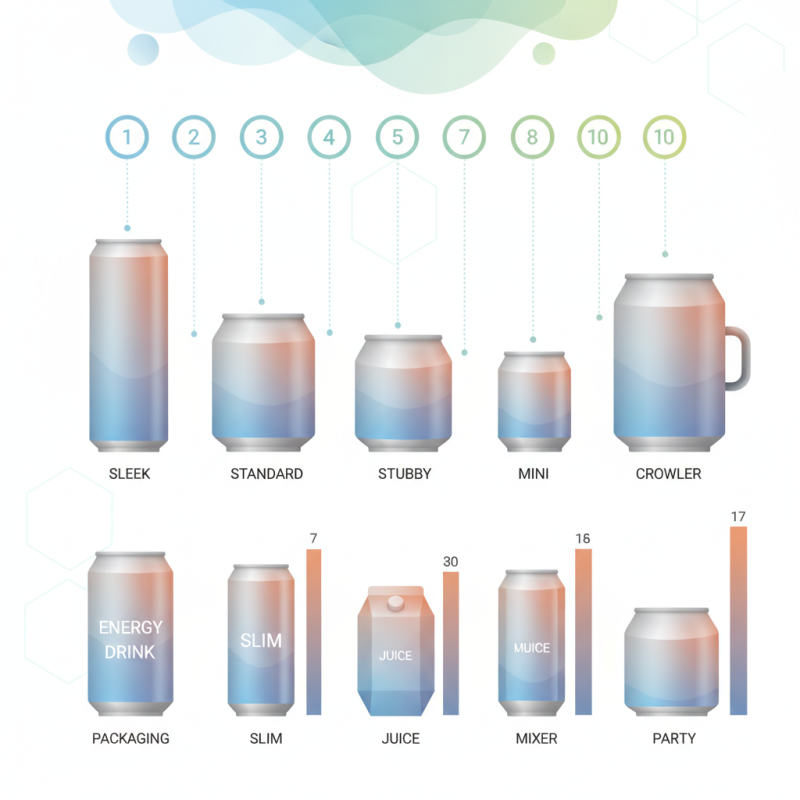
Understanding Beverage Can Sizes: A Comprehensive Overview
When exploring beverage can sizes, understanding the nuances is essential. Different sizes cater to various needs, from casual drinkers to serious consumers. The standard 12-ounce can is ubiquitous in many markets. However, many people overlook the benefits of the smaller 8-ounce size. This compact version offers a lighter option, so consumers avoid excessive consumption. Still, some might find it too small for their preferences.
Moving towards larger cans, the 16-ounce choice provides a more fulfilling experience. It's perfect for those who want to enjoy their favorite beverage longer. Yet, it can lead to overindulgence if not monitored. The 24-ounce can is another popular option, often found in convenience stores. This size is great for sharing or when you need a refreshing drink for an extended period. However, its larger volume can be intimidating for casual drinkers.
In the midst of all these options, factors like packaging and shelf space come into play. For retailers, stocking a diverse range of can sizes is crucial. They must balance consumer demand with the practicality of available space. Consumers should also reflect on their choices. Are they selecting the right size for their needs? Understanding the implications of different can sizes can lead to more informed purchasing decisions.
Top 10 Beverage Can Sizes Buyers Need to Know
| Size (oz) | Milliliters (ml) | Height (inches) | Diameter (inches) | Common Uses |
| 12 | 355 | 4.8 | 2.13 | Soft drinks, beers |
| 16 | 473 | 5.2 | 2.83 | Energy drinks, malt beverages |
| 8 | 237 | 4.5 | 2.13 | Juices, flavored waters |
| 24 | 710 | 6.2 | 3.04 | Ciders, specialty beers |
| 32 | 946 | 6.5 | 3.44 | Large energy drinks, cocktails |
| 10 | 296 | 4.2 | 2.48 | Craft sodas, unique beverages |
| 7.5 | 222 | 4.0 | 2.13 | Dietary drinks, mixers |
| 5.5 | 163 | 4.2 | 2.13 | Snack beverages, iced teas |
| 14 | 414 | 5.1 | 2.75 | Specialty mixers, craft beers |
Standard Beverage Can Sizes and Their Popular Uses
When exploring beverage can sizes, understanding the standard dimensions and their uses is vital. The most common size is the 12-ounce can. This size leads the market, accounting for approximately 60% of the total beverage can sales according to industry reports. It's often used for sodas and beers, making it a staple for retailers.
Another popular size is the 16-ounce can, which is preferred for energy drinks and craft beverages. Data suggests that the demand for larger cans is growing, with a 15% increase in sales over the past three years. The 8-ounce and 19.2-ounce cans are also gaining traction, catering to niche markets like mini drinks or larger servings.
However, choosing the right can size can be confusing. Each size serves specific consumer needs. Many brands struggle to identify which size resonates most with their target market. Understanding consumer preferences requires more than just following trends; it demands continuous market research and responsiveness. As beverage trends evolve, so must the strategies around can sizes. Balancing innovation with practicality remains a key challenge.
Comparative Analysis of Beverage Can Capacities
When discussing beverage can capacities, understanding size is crucial. The most common sizes range from 8 oz to 16 oz, each catering to different consumer preferences. An industry report from Beverage Marketing Corporation indicates that 12 oz cans dominate the market, accounting for nearly 70% of total sales. This preference aligns with consumer trends seeking convenience and portability.
For a broader perspective, 16 oz cans are gaining traction, particularly within the craft beverage sector. A survey by Statista shows that craft beer in larger cans is increasingly popular, reflecting evolving consumer habits. However, these larger cans can present challenges for portion control, with some buyers expressing concerns over waste and consumption limits. This highlights the ongoing tension between size and practicality.
Smaller cans, such as the 8 oz options, are also noteworthy. They appeal to health-conscious consumers and those seeking moderation. Industry analyses indicate a notable rise in sales of smaller serving sizes, emphasizing a shift in consumer mindset. Every size brings its own complexities and advantages, highlighting the importance of understanding can capacities for both consumers and retailers alike.
Impact of Can Size on Beverage Preservation and Taste
The size of a beverage can significantly influences both preservation and taste. Smaller cans may seem convenient, but they can lead to faster spoilage. A 12 oz can holds less liquid and exposes the drink to air more quickly when opened. This may result in a diminished flavor profile. In contrast, a larger 16 oz can retains its freshness longer, offering a better tasting experience even after being opened.
The material of the can also plays a role. Aluminum provides a barrier to light and oxygen, which can degrade flavor. However, the effectiveness of this barrier varies by can size. A larger can tends to have a lower ratio of exposed surface area, which can help in minimizing oxidation. Taste is subjective, but many argue that the experience of sipping from a larger can feels more enjoyable.
An interesting aspect to consider is consumer behavior. Many people drink faster from smaller cans, leading to quicker oxidation. This paradox can impact how one perceives the taste. Reflecting on preferences can be challenging. Some may prefer the convenience of a smaller size, even if it sacrifices flavor. Others may prioritize taste, opting for larger cans to enjoy their beverage properly. The choice of can size truly reflects personal priorities and considerations about beverage enjoyment.
Consumer Preferences: How Size Influences Buying Decisions
When it comes to beverage cans, size significantly impacts consumer choices. Shoppers often associate larger cans with value. A 16-ounce can feels like a better deal than an 8-ounce one, even if the price isn’t much different. This perception shapes buying decisions, prompting consumers to pick up bigger sizes for the sake of quantity, whether it's for a party or a personal treat.
However, preferences can vary widely. Some consumers prefer smaller cans for portion control. They find an 8-ounce can more appealing, especially when it comes to calorie counting. A petite can makes it easier to enjoy a refreshing drink without overindulging. The message is clear: size influences not just the quantity but also the quality of consumer experience.
It's essential to recognize the evolving trends. A push for sustainability is changing preferences. Many buyers are now considering recyclable packaging and portion size in their choices. They might opt for smaller cans if they align with their values. The beverage industry must adapt to these shifts. Creating an appealing range of sizes can meet diverse consumer needs and expectations.