What Is Top Cable Solar and Which Type Is Best?
Choosing the right Top Cable Solar product affects safety, energy yield, installation speed, and long-term maintenance. Solar cables may look similar on a supplier’s shelf. Their insulation, conductor design, temperature rating, and resistance to sunlight can differ significantly.
According to Jordi Pujol, a cable-industry specialist associated with Top Cable, “A solar cable must protect energy before it reaches the inverter.” That principle sounds simple. It is easy to overlook.
This article explains what Top Cable Solar means and how these cables support photovoltaic systems. It examines common cable types, including DC solar cables, AC cables, and flexible options for moving components. It also considers practical details, such as rooftop heat, water exposure, tight bends, connector compatibility, and long cable runs.
A good choice is not always the thickest cable. It depends on current, voltage, distance, installation method, and local conditions. An oversized cable can increase cost without providing meaningful benefits. An undersized cable may create voltage loss and unnecessary heat.
Small details matter.
For example, a cable routed beneath dark panels may face intense temperatures during summer afternoons. A cable near a sharp metal edge may suffer damage slowly, even when the system initially performs well. Professional installers therefore check specifications, not only prices.
There is no universal “best” Top Cable Solar type. The right option depends on the array design and environment. This guide offers a careful comparison, while acknowledging one limitation: real projects can reveal conditions that product sheets cannot fully predict.
What Is Top Cable Solar?
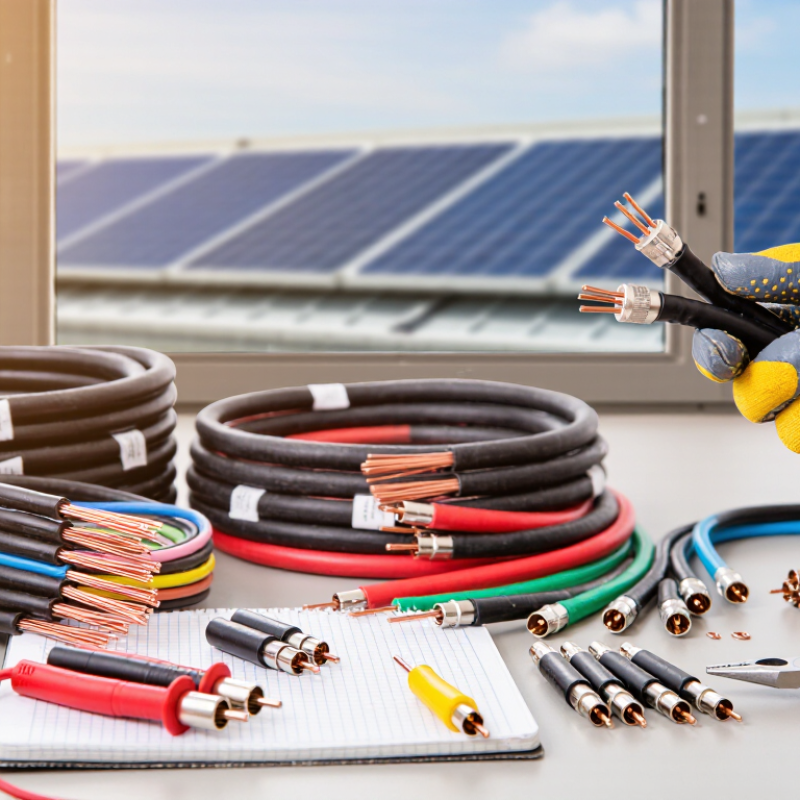
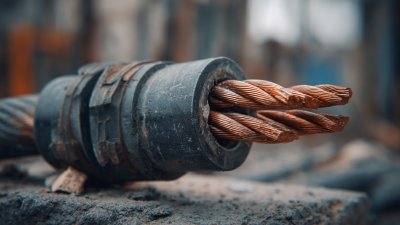
What is top cable solar? The phrase usually describes a high-quality cable used in photovoltaic systems, rather than a separate solar technology. It carries direct-current electricity from panels to a charge controller or inverter. A proper solar cable has strong insulation, flexible copper conductors, and resistance to ultraviolet light, rain, heat, and temperature changes. It may run across a roof, through a conduit, or beside a ground-mounted array.
Look closely at the cable jacket. It should show its voltage rating, temperature range, conductor size, and relevant testing standard. Tinned copper can improve resistance to moisture and corrosion, especially in coastal areas. Double insulation also reduces the risk of cracking when cables face daily heating and cooling. Small details matter. A cable that feels thick may still have poor internal construction or unsuitable connectors.
In my experience, cable selection should match the system design, not just the panel rating. Long cable runs can lose more energy, while oversized cable adds cost and may be harder to install neatly. The best type is normally a certified photovoltaic cable with suitable cross-sectional area, connector compatibility, and outdoor durability. Yet “best” is not absolute. I have seen installations focus on cable thickness while ignoring routing, bends, and water entry. That approach needs reconsideration. A qualified installer should verify current, distance, insulation, and local electrical requirements before installation.
What Is Top Cable Solar and Which Type Is Best?
| Cable Type | Main Construction | Typical Solar Use | Key Characteristics | Best Application |
|---|---|---|---|---|
| Photovoltaic (PV) Cable | Stranded copper or aluminum conductor with cross-linked insulation and a durable outer sheath | Connections between solar modules, string wiring, combiner boxes, and inverters | Designed for direct current, outdoor exposure, ultraviolet radiation, moisture, and temperature changes | Most standard rooftop, ground-mounted, and commercial photovoltaic systems |
| Single-Core PV Cable | One insulated conductor, commonly supplied in red and black for polarity identification | Positive and negative string connections | Flexible, easy to route, and compatible with common solar connectors when correctly specified | Module-to-module and module-to-combiner wiring |
| Armored PV Cable | PV cable with an additional metallic protective layer | Exposed routes, underground sections, and areas with increased mechanical risk | Improved resistance to crushing, impact, rodents, and accidental damage | Industrial installations and cable routes requiring extra physical protection |
| Flexible PV Cable | Fine-stranded conductor with insulation designed for repeated bending | Tracking systems, movable equipment, and installations with tight cable routes | High flexibility and easier installation around moving or compact components | Solar trackers and mechanically constrained layouts |
| AC Solar Cable | Insulated conductor or multi-core cable rated for alternating-current circuits | Inverter output, AC distribution equipment, and connection to the electrical grid | Selected according to AC voltage, current, installation method, and local electrical rules | The AC side of grid-connected solar installations |
| Battery Solar Cable | Large cross-section flexible copper conductor with robust insulation | Battery banks, charge controllers, and inverter battery connections | Designed for high direct-current loads and short, low-resistance connection paths | Off-grid and energy-storage systems |
Important Solar Cable Selection Factors
| Selection Factor | Typical Requirement | Why It Matters |
|---|---|---|
| Conductor Material | Copper for high conductivity and flexibility; aluminum for some larger, fixed installations | Material affects resistance, weight, connection requirements, and overall cost |
| Conductor Size | Common PV sizes include approximately 2.5 mm², 4 mm², and 6 mm², subject to design calculations | A suitable cross-sectional area limits voltage drop and prevents excessive heating |
| Voltage Rating | Must meet or exceed the maximum system voltage, including the effect of low temperatures | Prevents insulation breakdown and supports safe operation of the DC circuit |
| Temperature Rating | Use a cable rated for the expected conductor and ambient temperatures; many PV cables are rated around 90°C for continuous operation | Solar modules and enclosed cable routes can become significantly hotter than the surrounding air |
| Environmental Protection | UV-resistant, ozone-resistant, moisture-resistant, and suitable for outdoor installation | Protects the insulation from sunlight, rain, humidity, and long-term weathering |
| Mechanical Protection | Use conduit, cable tray, or armored cable where abrasion, impact, crushing, or rodents are possible | Reduces the risk of insulation damage and electrical faults |
| Compliance and Compatibility | Select cables tested to applicable photovoltaic and electrical installation standards and use matching connectors | Ensures reliable connections, easier inspection, and compliance with local regulations |
How Does a Top Cable Solar System Work?
What Is Top Cable Solar and Which Type Is Best?
“Top cable solar” usually describes a photovoltaic system with cables routed above or along the upper structure. It is not a universally standardized technology. In practice, installers may use this layout to shorten cable paths, protect wiring from standing water, or simplify maintenance.
How Does a Top Cable Solar System Work?
Sunlight reaches photovoltaic modules and creates direct current. Module cables then carry that current through connectors, string wiring, and a combiner box. An inverter converts direct current into alternating current for buildings or the grid. Batteries can store surplus energy before use.
The route matters. Cables must remain secured, UV-resistant, and clear of sharp metal edges. Poorly supported wiring can sag, rub, and heat under strong sunlight.
Voltage drop also increases with distance and undersized conductors. The International Renewable Energy Agency reported about 1,419 gigawatts of global solar capacity by the end of 2023, making small wiring losses significant across large installations.
The best type depends on roof shape, cable length, weather exposure, and service access. A rooftop system may benefit from short, clipped cable runs. Ground-mounted arrays often need stronger protection against animals, wind, and moisture. Engineering checks should follow local electrical codes and manufacturer specifications.
Still, cable placement is not the whole system. I would not call an overhead route automatically better. A neat installation can hide weak connectors. Independent inspection and thermal testing remain valuable, especially after the first hot season.
What Are the Main Types of Top Cable Solar?
Solar cable selection begins with the system section, not the sales label. The main types are DC photovoltaic cable, AC solar cable, and battery or storage cable. DC cable connects modules to inverters and must resist ultraviolet exposure, heat, moisture, and mechanical stress. AC cable carries converted power toward switchgear or the grid. Storage cable usually needs higher current capacity because batteries can deliver strong current over short periods.
The International Energy Agency Photovoltaic Power Systems Programme reported more than 400 gigawatts of new solar capacity in 2023. That scale increases the importance of dependable cable design. IEC 62930 covers electric cables for photovoltaic systems, while EN 50618 addresses flexible, low-smoke halogen-free solar cables. These standards support safer insulation and long outdoor service. Cable sizing still depends on current, voltage, installation length, ambient temperature, and voltage-drop limits. Bigger is not automatically better.
Field experience shows that connector compatibility and routing deserve equal attention. A well-rated cable can still fail when water enters a poorly sealed connection. Keep DC cables away from sharp edges and hot surfaces. Use UV-resistant ties and allow gentle bends. The classification looks simple. Real installations are not. NREL research on photovoltaic reliability repeatedly highlights heat, moisture, and connection defects as important failure factors. Some projects also underestimate future current increases. That mistake is avoidable, but only with a documented design review.
How Do Top Cable Solar Options Compare?
Top cable solar options usually refer to the cables connecting photovoltaic panels, inverters, batteries, and the electrical grid. Their performance depends on location, current, voltage, and exposure conditions. A cable suitable for rooftop panels may not suit a battery cabinet.
PV cables are designed for direct-current circuits. They normally use flexible stranded copper, durable insulation, and protection against ultraviolet light, heat, moisture, and ozone. Their insulation should meet recognized photovoltaic cable standards, such as IEC 62930 or UL 4703, where applicable. AC cables serve the inverter output and often require different insulation and installation methods. Battery cables need excellent flexibility and strong insulation because they may carry high current over short distances.
The best option is not always the thickest cable. Not always. An oversized cable increases cost and can make routing difficult. An undersized cable may create heat and energy loss. During site checks, installers should measure cable length, expected current, ambient temperature, and voltage drop. A cable running beneath hot roof tiles needs more thermal tolerance than one installed in a shaded, ventilated space. Connectors also matter. A high-quality cable can still fail when its connector is poorly crimped or exposed to standing water.
Cable color helps reduce wiring mistakes, but it does not prove quality. Copper purity, jacket markings, bend radius, and certification records deserve closer attention. Some installations look tidy yet use cables that are too tightly bent. That detail is easy to miss. A qualified electrician should verify compatibility with local electrical rules before energizing the system.
What Is Top Cable Solar and Which Type Is Best?
This comparison shows the calculated voltage drop for common copper solar PV cable sizes. A 30 m one-way cable run, 15 A current, and a 600 V DC system are used. The calculation uses copper resistivity of 0.0175 Ω·mm²/m at 20°C and includes the complete circuit length.
How to read the chart: Larger copper conductors produce less voltage loss. In this example, 10 mm² cable has the lowest voltage drop, while 4 mm² cable is lighter and may be suitable for shorter runs or lower-current systems. Final cable selection should also consider current rating, installation method, ambient temperature, UV and moisture resistance, connector compatibility, and local electrical codes.
Which Type of Top Cable Solar Is Best for Different Needs?
Top cable solar usually refers to the cables that connect photovoltaic panels, inverters, batteries, and distribution equipment. The best cable depends on location, current, distance, and installation conditions. A roof system needs sunlight-resistant DC cable with strong insulation. It should also tolerate heat, rain, and repeated temperature changes. Poor cable selection can increase voltage loss and create unnecessary maintenance.
For short rooftop connections, flexible single-core copper solar cable is often the practical choice. Copper carries current efficiently and fits tight routes around panel frames. Longer cable runs may need a larger cross-section to reduce voltage drop. Aluminum cable can suit larger ground-mounted systems because it costs less and weighs less. However, installers need suitable terminals and careful corrosion control. It is not always the easiest option.
Battery systems require cables rated for high current and frequent load changes. Thick, flexible copper cable is usually better near batteries, where bends and heat are common. AC output cables must match the inverter, circuit protection, and local electrical requirements. Cable length matters more than many homeowners expect.
Field checks should include connector tightness, insulation damage, water entry, and cable support. One detail is easy to miss: a cable may have the correct voltage rating but still lack enough current capacity. Real installations rarely fit a perfect template, so a qualified electrician should verify the design before energizing the system.
Related Posts
-
Maximizing Performance with Best Low Voltage Cable Strategies for Enhanced Efficiency
-
5 Proven Benefits of Using Best Cable Rubber in Industrial Applications
-

Top Medium Voltage Cable Trends for 2026 Where to Buy?
-
Top 10 Marine Wire Options for Your Next Project?
-
Empowering Global Connections with China's Finest Voltage Cables
-
Discovering the Best Voltage Cable Options for Your Electrical Projects