2026 Top Rubber Cable Types for Global Buyers Needs?
In the world of electrical connections, the demand for high-quality Rubber Cable is increasing. As global industries evolve, buyers seek the best options. Expertise in this sector is vital. Renowned industry expert Dr. Michael Thompson states, "Choosing the right Rubber Cable type can significantly impact both safety and efficiency." His words highlight the importance of selecting the right materials.
Different types of Rubber Cables serve various needs across multiple industries. From construction to renewable energy, understanding specifications is crucial. Buyers should consider factors like temperature resistance and flexibility. Each application has its unique requirements. Thus, navigating the options can be challenging yet essential.
However, even seasoned professionals can overlook specific details. For example, the proper insulation type can affect performance significantly. Keeping up with advancements in Rubber Cable technology is necessary. Buyers must stay informed. This dynamic market requires constant learning and adaptation. The journey to finding optimal Rubber Cables involves continuous reflection and improvement.
Overview of Rubber Cable Types for Global Buyers
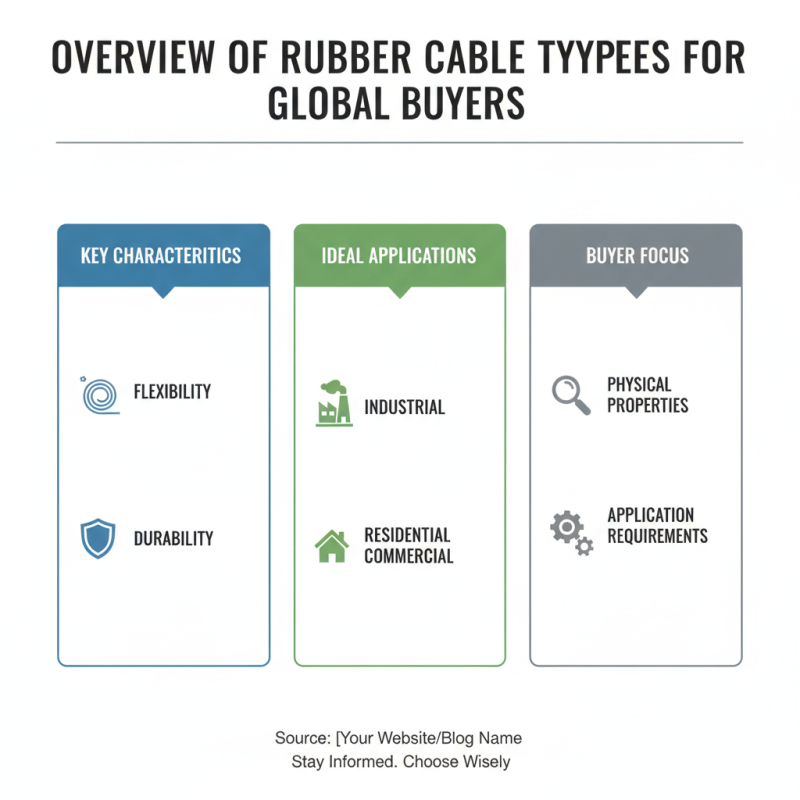
When it comes to rubber cables, understanding the different types is vital for global buyers. Rubber cables are known for their flexibility and durability. They are ideal for various applications, including industrial, residential, and commercial uses. Buyers should focus on both the physical properties and the application requirements.
Tip: Always assess the environmental conditions where the cables will be used. This helps in selecting the right type of rubber cable. For instance, cables exposed to extreme temperatures require specific rubber compounds to ensure performance.
Different types of rubber cables exist, such as H07RN-F, which is commonly used in Europe. Meanwhile, the SJOOW type is prevalent in North America. Each type has unique features based on insulation needs and flexibility. Buyers must balance these characteristics with cost and longevity.
Tip: Consider the long-term investment in quality. Cheaper cables may seem appealing, but their durability often lacks. It's essential to weigh initial costs against potential maintenance expenses in the future.
Key Features and Benefits of Rubber Cables
Rubber cables have gained popularity due to their unique features and benefits. These cables are known for excellent flexibility. They can withstand harsh conditions, making them suitable for various applications. Their resistance to moisture, temperature, and chemicals enhances their durability. This reliability is crucial for industries that require consistent performance.
Tips: When choosing rubber cables, consider your specific needs. Look for cables with appropriate ratings for your environment. The right choice can save time and money in the long run.
Another essential feature of rubber cables is their strength. They can handle significant mechanical stress without damage. This is essential for industrial settings where equipment is frequently moved or adjusted. Additionally, rubber cables can offer better electrical insulation, which promotes safety.
Tips: Always check the insulation rating of the cable. Higher ratings indicate better safety and performance. Ensure that you're investing in the right specifications for your project.
Top Manufacturers of Rubber Cables in 2026
In 2026, the rubber cable market is set to grow significantly. Industry reports indicate that demand is increasing in sectors like construction, automotive, and renewable energy. This growth is fueled by the need for durable, flexible, and weather-resistant cables.
Top manufacturers in this sector are focusing on innovation. They are investing in research to enhance product performance and sustainability. For instance, the global market for rubber cables is projected to reach over $10 billion by 2026, according to a recent market analysis report. In addition, production techniques are evolving, allowing for better efficiency and lower waste.
Despite this growth, challenges remain. The supply chain for raw materials is often unstable. Fluctuations in pricing can affect final product costs. Companies are exploring alternative materials to hedge against market volatility. Balancing performance with cost-efficiency is crucial. Adapting to environmental regulations also poses a challenge for manufacturers. They must ensure compliance while meeting consumer demands.
Applications and Use Cases of Rubber Cables Globally
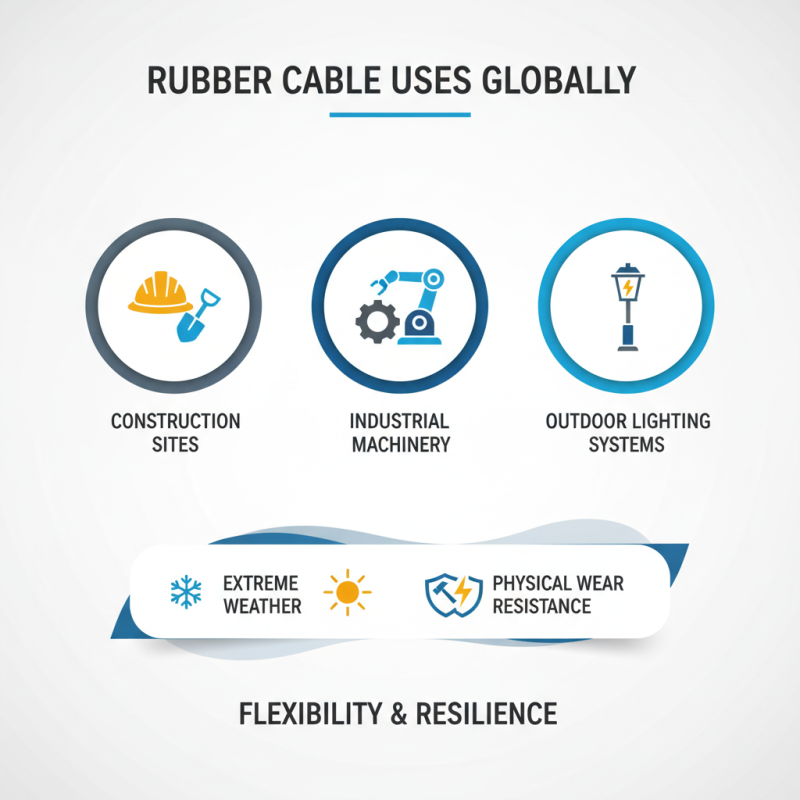
Rubber cables play an essential role in various applications worldwide. Their flexibility and resilience make them ideal for environments with extreme conditions. Common usage includes construction sites, industrial machinery, and outdoor lighting systems. The ability to withstand harsh weather and physical wear makes these cables a preferred choice.
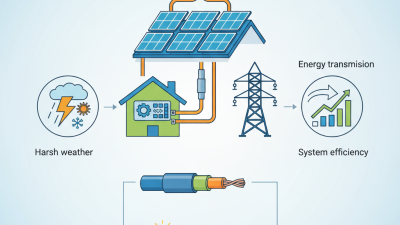
In renewable energy sectors, rubber cables are vital. They connect solar panels to inverters and batteries, ensuring reliability and efficiency. Their insulation prevents electrical failures, allowing for safe energy transmission. However, the cost and sourcing of high-quality materials can pose challenges for buyers. Buyers often grapple with balancing quality and price, leading to potential frustrations in procurement.
Transportation is another key area where rubber cables are indispensable. They are frequently used in vehicles, providing power to essential systems. Yet, the evolving technology in electric vehicles demands ongoing improvements in cable designs. This creates a dilemma for manufacturers: keeping pace with innovation while ensuring durability and safety. Understanding these factors can guide global buyers in making informed decisions.
Market Trends and Future Outlook for Rubber Cables in 2026
The rubber cable market is evolving rapidly. As we approach 2026, buyers are increasingly focused on sustainability and efficiency. Rubber cables are recognized for their flexibility and durability. This makes them ideal for various applications, from industrial to residential use. The demand for environmentally friendly options is pushing manufacturers to innovate.
Market trends indicate a shift towards high-performance rubber cables. These products offer superior insulation and resistance to heat and moisture. Increased automation in industries requires cables that can withstand harsh conditions. That said, not all rubber cables meet these rigorous standards. Some may lack the necessary quality, leading to potential failures. Buyers must carefully assess specifications and certifications before purchasing.
Future outlook shows a growing preference for smart cable technology. Connected systems are essential in modern infrastructure. However, integrating advanced features may lead to higher costs. This raises questions about cost-effectiveness for buyers. The rubber cable industry needs to balance innovation with affordability to cater to diverse buyer needs.
2026 Top Rubber Cable Types for Global Buyers Needs
| Cable Type |
Applications |
Key Features |
Market Demand (2026) |
Growth Rate (%) |
| H05RR-F |
Indoor equipment |
Flexible, oil-resistant |
High |
5% |
| H07RN-F |
Construction site |
Weather-resistant, durable |
Medium |
8% |
| H07V-R |
Fixed installations |
UV-resistant, flame-retardant |
Low |
3% |
| TRS-2 |
Heavy machinery |
High flexibility, abrasion-resistant |
High |
10% |
| Silicone Rubber Cable |
Electronics, appliances |
Temperature resistant, flexible |
Medium |
6% |