Top 10 Welding Protection Gear You Need for Safety
Welding can be a rewarding craft, but it comes with its risks. Without proper Welding Protection, serious injuries can occur. Each welder must prioritize safety gear to ensure a secure working environment.
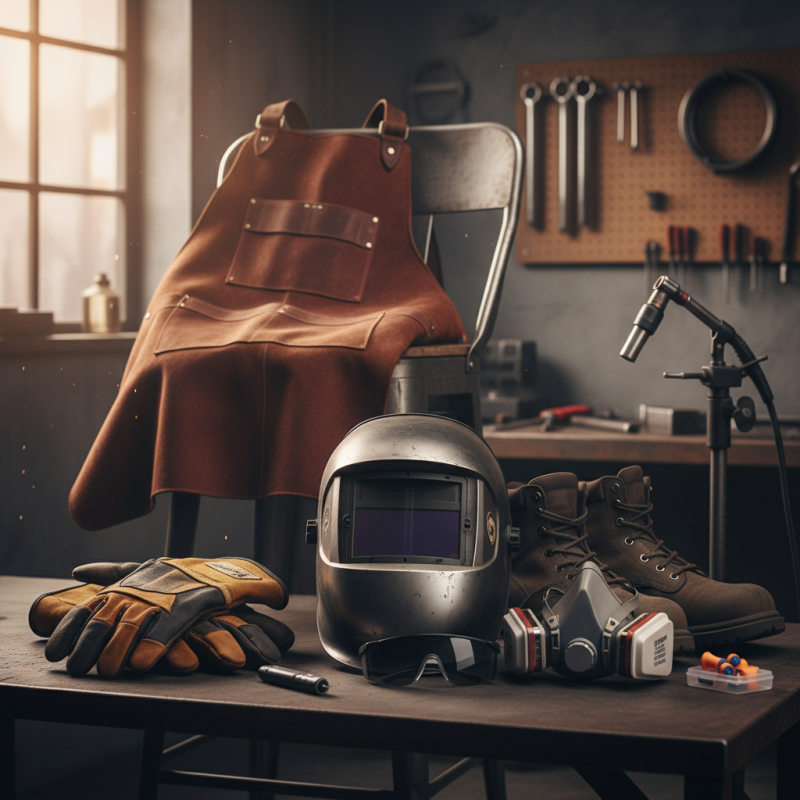
Essential welding protection gear includes helmets, gloves, and aprons. These items shield workers from sparks, heat, and harmful fumes. A quality welding helmet protects the eyes and face from intense light and UV radiation. Gloves prevent burns and cuts, while durable aprons safeguard against falling debris. Welders must choose gear that fits well to avoid discomfort.
Neglecting protection is a serious mistake. Accidents can happen in an instant, often leading to long-term consequences. Remember, safety is not just a requirement; it's a responsibility. Investing in the right welding protection gear saves lives and promotes a healthier workspace.
Top 10 Welding Protection Gear You Need for Safety
Welding is a hazardous job. Protecting yourself is crucial. Studies show that around 400,000 workers face injuries annually in the metal fabrication industry. Choosing the right gear is vital for safety and health.
Key pieces of protection include helmets. Quality helmets can shield against harmful UV rays and sparks. According to the American National Standards Institute (ANSI), using a proper welding helmet reduces eye injuries significantly. Gloves are equally important. They should be heat resistant and durable. A study indicated that over 20% of welding injuries are hand-related.
Respirators must not be overlooked. Welding can produce harmful fumes. The Occupational Safety and Health Administration (OSHA) emphasizes the importance of using appropriate breathing protection. Yet, many welders ignore this essential gear.
Foot protection is often neglected as well. Steel-toed boots can prevent foot injuries. Numerous incidents happen due to lack of awareness. Investing in quality gear can save lives.
But what about comfort? Uncomfortable gear can lead to errors. Comfort and safety must go hand in hand.
Understanding the Importance of Personal Protective Equipment in Welding
Welding can be a hazardous profession. The risks include burns, eye damage, and respiratory issues. According to the Occupational Safety and Health Administration (OSHA), improper safety measures can lead to serious injuries. Up to 780,000 workers in the U.S. face welding-related injuries each year. Using the right personal protective equipment (PPE) is essential for safety.
Welders must prioritize their protective gear. Proper helmets shield against harmful UV rays and sparks. Quality gloves protect hands from extreme heat and sharp objects. According to a report by the National Institute for Occupational Safety and Health (NIOSH), 34% of welders experienced hand injuries. These injuries could be prevented with compliance to basic safety protocols.
Respiratory problems are also common in welding due to fumes. A study found that nearly 25% of welders reported breathing difficulties. Utilizing a respirator can drastically reduce these risks. Yet, many overlook this critical aspect. This negligence highlights the need for better training and awareness about the importance of comprehensive protective gear. A culture that prioritizes safety can save lives.
The Role of Welding Helmets in Preventing Eye and Face Injuries
Welding helmets are crucial for safety. They protect the eyes and face from hazardous sparks and intense heat. According to the American National Standards Institute, about 300,000 eye injuries occur each year in the U.S. Welding is a significant contributor. A proper helmet can reduce these risks dramatically.
These helmets often have auto-darkening features. They adjust the lens shade automatically when an arc is struck. This feature helps welders see clearly while maintaining protection. However, not all helmets are created equal. Some don't offer sufficient protection against UV rays. Studies suggest 50% of welders experience eye problems. These issues often stem from inadequate gear.
It's vital to select a helmet that meets safety standards. Many helmets come with a comfort rating but might not offer full face protection. A comprehensive assessment of personal safety gear is needed. Comfort should not compromise safety. A well-fitted helmet can prevent serious injuries, but it won’t fix careless practices. Reflecting on these choices is critical for long-term safety in the workplace.
Selecting the Right Welding Gloves: Material and Heat Resistance Factors
When selecting welding gloves, both material and heat resistance are crucial. Leather is a popular choice due to its durability. It can handle sparks and minor heat well. But not all leather is created equal. Some types may wear out too quickly. This can lead to burns or injuries. Consider thickness and treatment when choosing leather gloves.
Another option is synthetic materials. These gloves can offer excellent heat resistance. They are often lighter and more flexible. However, they may not provide the same level of protection against sharp objects. Check the specifications carefully. Look for gloves rated for high temperatures. Always prioritize your comfort and safety. If they are too bulky, you might lose dexterity.
Reflect on your specific welding tasks. The right glove will depend on the type of welding you’re doing. It’s essential to test different models. Find the balance between protection and usability. This trial and error may feel tedious but is necessary. Ignoring this step can have serious consequences. Safety should never be compromised for convenience.
Protective Clothing: How Flame-Resistant Fabrics Reduce Burn Risks
Protective clothing is crucial in welding environments. Flame-resistant fabrics play a significant role in reducing burn risks. According to industry reports, approximately 70% of welding-related injuries are thermal burns. These incidents often result from sparks or open flames.
Flame-resistant materials are designed to withstand high temperatures. They slow down the spread of flames and minimize injury. Research shows that wearing these fabrics can decrease the severity of burns by up to 80%. This statistic is essential for welders who work in hazardous conditions.
Furthermore, the comfort and breathability of flame-resistant clothing can mean a safer work environment. When workers feel comfortable, they can focus better. However, not all flame-resistant gear offers the same protection. It's vital to choose certified materials that meet safety standards. Regular inspections are necessary to ensure continued effectiveness. Choosing the right gear can make a real difference.
Conclusion
Welding protection is crucial for ensuring safety in the welding profession, as it helps prevent injuries and promotes a secure working environment. Personal Protective Equipment (PPE) is essential in safeguarding welders from various hazards, including severe eye and face injuries that can arise from intense sparks and heat. Welding helmets play a vital role in this regard, providing necessary shielding for the face and eyes.
In addition to helmets, selecting the right welding gloves that offer adequate material and heat resistance is critical for hand protection. Protective clothing made from flame-resistant fabrics significantly reduces the risk of burns, while steel-toed boots provide essential foot protection, ensuring welders are safe from heavy objects and extreme conditions. Overall, investing in quality welding protection gear is not only a standard practice but also a fundamental aspect of welding safety that every professional should prioritize.