
What Are the Top Types of Mouthpiece Adapters?
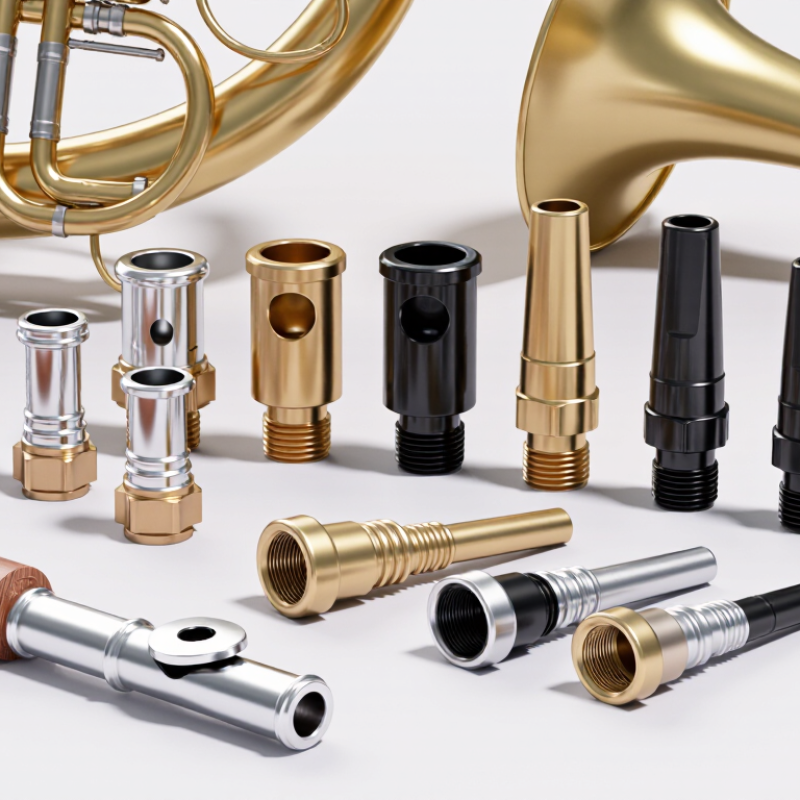
A Mouthpiece Adapter is a small fitting with a practical job: it connects a mouthpiece to an instrument receiver when their dimensions or designs do not match. In brass and woodwind setups, that may mean accommodating a different shank, changing the fit, or adding a short extension. The right choice depends on the instrument, the mouthpiece, and the way the connection is made. A part that looks close can still feel loose, sit too far out, or affect how the instrument responds.
Industry data offers useful context, but not every accessory has its own sales category. NAMM’s Global Report tracks the wider musical-products industry; it does not provide a standalone count for mouthpiece adapters. That limitation matters. It means buyers should weigh fit and manufacturer specifications more heavily than broad market claims. Small parts matter. A careful check of the receiver shape, shank size, and material can prevent a frustrating mismatch. Yamaha’s instrument-care guidance also reinforces a sensible principle: compatible parts and gentle handling help protect instrument components. Still, an adapter cannot correct every fit problem, and product descriptions are not always precise.
This guide compares common adapter types, including shank converters, threaded adapters, extension styles, and models designed for specific instrument families. It explains where each type may help, what measurements to check, and when an adapter is the wrong solution. The categories can overlap, so the labels are only a starting point. A trial fit, confirmed against the instrument maker’s specifications, remains the more reliable test.
Understanding Mouthpiece Adapters and Their Purpose
Mouthpiece adapters connect a breathing mouthpiece to compatible tubing, masks, or test equipment. Their purpose is practical: create a secure path for airflow without forcing mismatched parts together. In respiratory equipment, common designs include straight connectors, swivel connectors, and size-conversion adapters. A swivel can reduce twisting when tubing shifts; a size converter joins components with different openings. Small details matter.
ISO 5356-1:2015 specifies conical connector dimensions used in anaesthetic and respiratory equipment, including 15 mm and 22 mm connections. These measurements help professionals check compatibility rather than relying on appearance alone. An adapter should fit firmly, remain easy to inspect, and avoid narrowing the airflow path. For instance, a loose joint may leak when a patient breathes through the mouthpiece. Not ideal. Follow the device maker’s instructions and clinical protocols, especially when cleaning or replacing parts. One detail is easy to miss: an adapter that physically fits may still be unsuitable for a specific device. Verify the connection before use.
How Mouthpiece Adapters Are Classified
Mouthpiece adapters are commonly classified by the connections they join. One end may fit a mouthpiece, while the other matches an instrument’s receiver or tubing. Sizes and shapes vary, so an adapter that looks close may still feel loose. Some models use straight connections; others adjust the angle or spacing. These differences can affect comfort and airflow.
Tips: Check both connection sizes before buying. A snug fit matters. Avoid forcing parts together, since pressure can damage delicate edges.
Adapters can also be grouped by material and purpose. Metal versions are often chosen for durability, while lightweight materials may suit travel or occasional practice. Some designs help bridge small fit differences; others change the mouthpiece’s position. A measurement chart is useful, but it may not capture wear, manufacturing variation, or the feel of a particular instrument. I would treat listed dimensions as a starting point, not a guarantee. If possible, test the fit gently and listen for leaks or changes in response. A tiny mismatch can be frustrating.
What Are the Top Types of Mouthpiece Adapters?
Common adapter types classified by physical configuration
Straight, reducer, threaded, and elbow adapters typically connect two openings. T- and Y-shaped adapters have three. Port count describes the adapter’s layout, not its popularity; compatibility depends on the specific device and connection standard.
Common Types by Size and Connection
Mouthpiece adapters are commonly sorted by size and connection style. A reducer steps between a larger receiver and a smaller shank; an extender adds distance without changing the basic fit. Some use a tapered friction fit, while others rely on threads, a clamp, or a keyed lock. These connections are not interchangeable. Even two parts labeled “medium” may differ in taper or insertion depth. Measure the receiver’s inner diameter and the mouthpiece shank’s outer diameter, then check the maker’s fitting chart. A digital caliper helps; measure at the opening and slightly farther inside.
Size affects more than whether the parts stay together. A loose taper can leak air, while a tight one may stick or damage a finish. The NAMM 2023 Global Report put U.S. music-products retail sales at $17.3 billion for 2022, showing the scale of the wider equipment market; it does not specify adapter dimensions. That distinction matters. There is no single universal sizing system across instrument families, so confirm the instrument type and connection standard before ordering.
Tips: Test the fit gently, with no forcing or twisting hard. Check for wobble and gaps. I would also record both measurements, because labels alone can be frustratingly vague. If the adapter changes airflow or feels unstable, stop and reassess the match.
Adapters for Different Instruments and Uses
Mouthpiece adapters vary by instrument and purpose. For brass instruments, shank converters help match a mouthpiece to a receiver with a different fitting size. A snug fit matters. If the adapter rocks or needs force, stop and check compatibility; forcing it can damage the parts. Some adapters also provide a short extension, changing how far the mouthpiece sits from the instrument. Even a small change may affect comfort or response, so test it during gentle playing before rehearsal.
Woodwind players may encounter adapters for connecting a mouthpiece to a practice or testing setup. These are not universal: bore shape, diameter, and sealing surfaces differ between instruments. For studio work, teaching, or instrument testing, choose an adapter made for the specific connection rather than relying on a loose fit. A tiny air leak can make a useful setup frustrating. I have found that fit descriptions can be confusing, so verify measurements when possible.
Tips: Check the instrument model and mouthpiece fitting before buying. Keep contact surfaces clean and dry, and avoid overtightening. Try the adapter at home first. If sound or response changes noticeably, reassess the fit.
How to Choose the Right Mouthpiece Adapter
Choosing the right mouthpiece adapter starts with the instrument, not the adapter’s appearance. Common designs include reducers for mismatched openings, threaded connectors, and short extensions that change reach or angle. Check the instrument’s socket size and the mouthpiece’s shank or thread details before ordering. A difference of only a few millimeters can cause wobble, leaks, or a poor seal.
Fit matters. A secure adapter should seat evenly without force and stay stable during normal playing. Materials such as metal or durable plastic affect weight, feel, and cleaning needs; neither is automatically best. If possible, compare measurements with the instrument manual or ask a repair technician to verify them. Then test the setup at a comfortable volume and listen for unexpected resistance or a changed tone. A slight change in response may be unavoidable, and I would not assume an adapter will preserve the original feel perfectly. Avoid improvised shims or sanding, since small alterations can damage the fit. Clean and dry the adapter as its material permits, and replace it if cracks, corrosion, or looseness appear.
| Adapter Type | Typical Use | How It Connects | Common Materials | Best For | What to Check Before Buying |
|---|---|---|---|---|---|
| Brass Shank-Size Adapter | Adapts a brass mouthpiece shank to a compatible receiver with a different size or taper. | Fits between the mouthpiece shank and the instrument’s mouthpiece receiver. | Brass, other plated metals, or durable synthetic materials. | Players who need to use a mouthpiece with an instrument receiver that does not match its shank. | Confirm the instrument and mouthpiece models, shank dimensions, taper, and insertion depth. An incorrect fit can affect security and response. |
| Instrument-to-Mouthpiece Adapter | Allows a mouthpiece made for one instrument family or receiver format to be used with another compatible setup. | Joins the mouthpiece to the receiving instrument or neck; exact fittings vary by instrument. | Metal, molded plastic, or a combination of materials. | Situations where a specific mouthpiece must be used with a different compatible instrument setup. | Check both connection standards and whether the adapter is designed for the exact instrument combination. Not all mouthpieces are interchangeable. |
| Neck or Receiver Extension Adapter | Changes the connection length or position between a mouthpiece and an instrument neck or receiver. | Slides or threads into the existing connection, depending on the instrument design. | Metal or rigid molded material. | Players needing a particular fit or connection arrangement without replacing the instrument part. | Verify the fitting type, dimensions, and clearance. Added length or a different internal shape may change playing response. |
| Practice Mouthpiece Adapter | Connects a practice or silent-playing accessory to a compatible mouthpiece or instrument. | Attaches at the mouthpiece or instrument opening, depending on the accessory design. | Plastic, elastomer, or lightweight metal. | Quiet practice or use with a compatible practice accessory. | Check the accessory’s specified instrument and mouthpiece fit. Practice adapters may change airflow and are not necessarily suitable for performance. |
| Protective Mouthpiece Sleeve or Cap Adapter | Fits over or around a mouthpiece to protect it during storage or transport. | Usually slips over the mouthpiece; some designs attach to a compatible case or holder. | Soft silicone, rubber, or rigid plastic. | Protecting a mouthpiece from dust, scratches, and incidental contact when not in use. | Match the sleeve or cap to the mouthpiece’s shape and dimensions. Allow the mouthpiece to dry before covering it. |
| Custom or Specialty Adapter | Provides a nonstandard connection for a particular instrument, mouthpiece, or accessory combination. | May use a custom bore, thread, taper, or external fitting. | Machined metal or purpose-made polymer. | Unusual setups for which standard adapters are unavailable. | Obtain exact measurements and confirm compatibility with a qualified instrument technician or the accessory maker before ordering. |
Selection tip: Identify the instrument, mouthpiece, and receiver first. Compare the connection type, dimensions, and taper rather than relying on appearance alone. A secure fit should not require force; consult an instrument technician if the parts do not seat correctly.