What Are the Top Types of Solar Electric Systems?
A Solar Electric system converts sunlight into usable electricity through photovoltaic panels and supporting equipment. The right design depends on where you live, how you use power, and whether the utility grid is available. A rooftop array may look simple from the street, but its performance also depends on shade, roof direction, equipment quality, and installation.
Grid-tied systems connect to the utility network and can supply solar power to a home during daylight. They are often a practical choice where grid service is dependable. Off-grid systems operate independently, usually with batteries that store energy for nighttime or cloudy periods. Battery capacity matters. Too little storage can leave essential loads uncovered. Hybrid systems combine a grid connection with battery storage, offering another way to manage outages and changing energy needs. Some systems are designed for specific loads, such as pumps or remote equipment, rather than an entire building.
There is no perfect setup. The simplest option may not fit every household. This guide compares the main types of solar electric systems, explains how their components work, and highlights the trade-offs behind each choice. Actual output varies with weather, location, equipment, and maintenance, so estimates should be checked against site-specific conditions. A qualified installer can assess the roof, electrical needs, and expected usage before recommending a design. Even careful planning has limits. Knowing those limits is part of choosing well.
Grid-Tied Solar Systems and Their Connection to the Utility
A grid-tied solar system connects rooftop panels to a home’s electrical panel and the local utility network. The panels produce direct current, and an inverter converts it into electricity household appliances can use. When production exceeds demand, extra power may flow through the utility meter to the grid. When panels produce too little, the home draws electricity from the utility instead. The meter records this exchange, but how exported power is credited depends on local utility rules and the service agreement. It is not always a one-to-one trade.
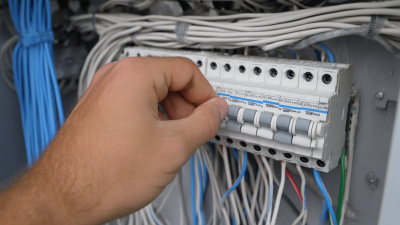
The connection requires more than plugging in an inverter. Equipment must match the grid’s voltage and frequency, and the utility typically reviews the system before it is energized. This helps protect utility workers and maintain safe, stable operation. During a grid outage, most standard grid-tied systems shut down automatically, even in bright sunlight. That surprises some homeowners. Without approved battery equipment that can safely isolate the home from the grid, panels alone generally cannot provide backup power. One detail is easy to underestimate: household energy use changes throughout the day, while solar production rises and falls with sunlight. Reviewing utility bills, roof shading, and local interconnection requirements can help set realistic expectations before installation. Even a small shaded patch can affect output.
Off-Grid Solar Systems for Independent Power Supply
Off-grid solar systems generate and store electricity without relying on the utility grid. A typical setup combines rooftop or ground-mounted panels, a charge controller, batteries, and an inverter. At a remote cabin, that might mean running lights, a small refrigerator, and a water pump. The key is matching equipment to actual daily use, not just choosing the largest panels available. Refrigerators and pumps can draw extra power when starting.
The World Bank and ESMAP’s 2019 mini-grid outlook estimated that mini-grids could provide electricity access to nearly 500 million people by 2030. That estimate describes a broad opportunity, not a guarantee for any individual system. For a household, winter sunlight, several cloudy days, battery age, and peak loads all affect reliability. Underestimating any of them can leave batteries depleted. It is easy to overbuild, too; storage costs money and still needs eventual replacement.
Tips: List each appliance’s wattage and daily hours of use. Add room for cloudy weather, then have a qualified installer check the design. Keep essential circuits separate. A little extra margin helps, but perfect forecasting is not realistic.
Top Types of Solar Electric Systems
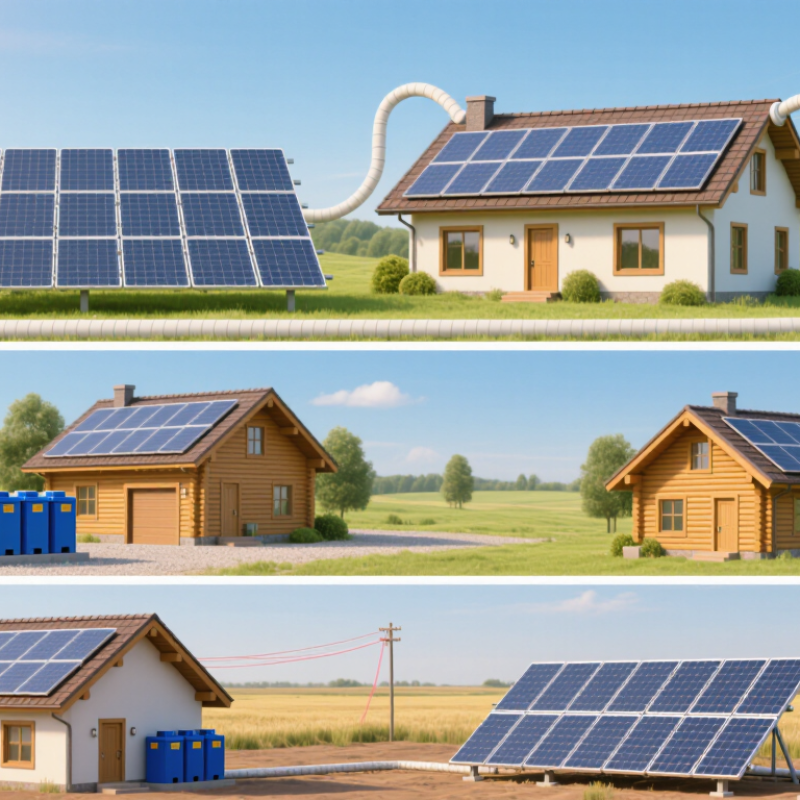
Off-grid systems operate independently of the utility grid and typically use batteries to supply power when solar generation is unavailable. Hybrid systems connect to the grid and include battery storage, while typical grid-tied systems connect to the grid without batteries. Configurations can vary.
Hybrid Solar Systems with Grid Access and Battery Storage
Hybrid solar systems combine rooftop panels, a grid connection, and battery storage. Panels serve daytime loads, while excess electricity can charge the battery or flow to the grid. After sunset, stored energy can power selected circuits. If the grid fails, a properly configured system can keep those circuits running. Not every hybrid system provides backup automatically; the inverter, transfer equipment, and battery controls must support islanded operation.
Battery size should match actual needs, not just roof output. A refrigerator, a few lights, and a communications router draw far less power than electric heating or a large air conditioner. NREL’s Storage Futures Study modeled U.S. electricity-sector storage needs reaching roughly five to ten times current capacity by 2050 across scenarios. That is a grid-wide projection, not a household sizing rule, but it shows why storage is receiving serious technical attention. A design may look elegant on paper and still struggle through several cloudy days. That detail deserves a careful load review.
Tips: List essential appliances and their wattage, then estimate how many hours they must run during an outage. Ask whether the battery can start motor-driven equipment, and confirm how much usable energy remains after reserve settings. Review the system’s expected behavior during long outages—not only a brief evening interruption. A little humility helps: household use changes, and estimates are never perfect.
Direct-Use Solar Systems for Dedicated Electrical Loads
Direct-use solar systems send solar electricity to a dedicated load, such as a water pump, ventilation fan, or remote sensor. A small array can power a pump during sunny hours, moving water to a storage tank for later use. Many setups operate without batteries, which reduces maintenance and avoids storing energy that the equipment may not need. A controller or inverter may still be necessary, depending on the panel output and the device.
The key is matching the system to the load. Check the equipment’s voltage, running power, startup surge, and expected operating hours. A pump that runs well at noon may slow or stop under passing clouds. That trade-off is easy to underestimate. Direct use can be practical, but it offers less flexibility than a system with energy storage. I would leave room for adjustment; real weather rarely follows a neat design estimate.
Tips: Record the load’s power use and daily schedule before choosing panels. Check the manufacturer’s electrical requirements, and use suitable overcurrent protection and wiring. Test the setup during changing sunlight, not only on a clear day. A slightly oversized array may help, but it will not fix a poorly matched controller or motor.
How Solar Electric System Types Differ in Operation and Use
Solar electric systems differ mainly in how they handle the grid and store energy. A grid-tied system sends excess electricity to the utility network and draws power when panels produce too little. It is often a practical fit for homes with reliable grid service. During an outage, standard grid-tied systems usually shut down for safety unless configured with backup equipment.
An off-grid system works independently. Solar panels charge batteries, which supply power after sunset or during cloudy periods. It suits remote properties, but battery capacity and careful energy use matter. A hybrid system combines grid connection with battery storage. It can keep selected loads running during an outage, depending on its design and capacity. More equipment does not always mean more usable backup.
Tips: List the appliances you need during an outage, such as a refrigerator, lights, and a modem. Check their power use and how many hours they must run. That matters. Battery estimates can miss seasonal changes or cloudy stretches, so leave room for uncertainty. A system sized around everyday needs may not cover every unusual demand.